
Nothingness and the Isolated Self
NauseaThis flow traces how Roquentin’s inward search for a secure self encounters nothingness, embodied existence, and the persistence of consciousness.
increasing Bearing strength in each event
 decreasing
Bearing strength in each eventdecreasingAn Empty Inner Center

An Empty Inner Center
The self searches inward
The inward search for an unchanging core finds no stable substance beneath memory, sensation, and thought. The self cannot locate a simple essence that would secure its identity.
Nothingness becomes a problem
The apparent emptiness does not make the world disappear. Instead, it raises the question of why anything exists, a question that ordinary reason cannot close with a satisfying answer.
The Body Insists
The Body Insists
Awareness turns inward
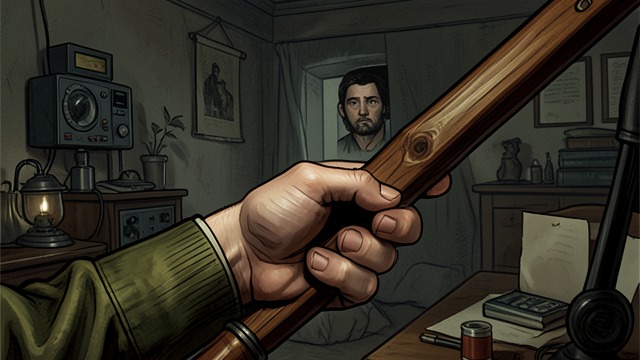
Roquentin studies his hand, mouth, and thoughts, finding each present whether or not he welcomes it. Trying to stop thinking becomes another thought he must recognize as his own.
Nothingness cannot be chosen
His wish to withdraw from existence only renews the awareness he hoped to escape. The body makes the self’s presence concrete even while its inner identity feels unstable.
Solitude as Consciousness
Solitude as Consciousness
The social self fades
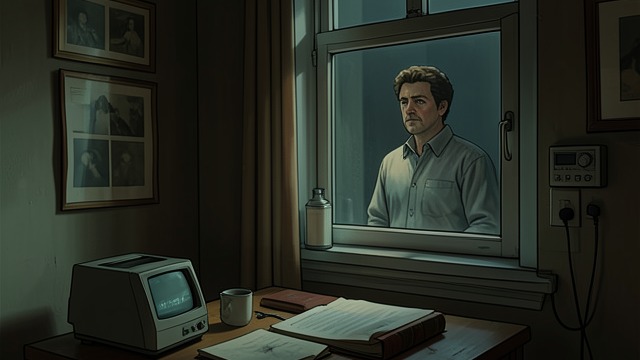
Waiting for departure, Roquentin imagines his name and public identity dissolving. Other people’s memories cannot guarantee that he has a secure place among them.
Awareness continues
Even when the familiar self feels absent, consciousness remains aware of being. The novel presents isolation not as mere solitude in a room, but as the difficulty of escaping one’s own existence.
In the introduction’s account of existential thought
After Roquentin abandons the biography
On the final evening in Bouville
