
The Search for a Reason to Live
NauseaThis thread traces Roquentin’s successive reliance on work, memory, intimacy, and art as possible grounds for continuing his life.
increasing Bearing strength in each event
 decreasing
Bearing strength in each eventdecreasingWork as a Justification

Work as a Justification
A settled routine
Roquentin researches Rollebon in the library and measures his days through work, meals, and familiar places. The routine seems to give his life an intelligible outline.
The foundation weakens
As his nausea grows, the research feels less like a purpose and more like a borrowed explanation. He begins to ask what remains if the project cannot account for his presence.
Memory Fails to Shelter Him
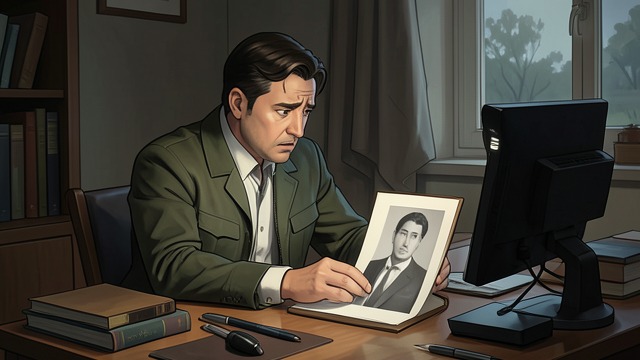
Memory Fails to Shelter Him
Images decay
Roquentin tries to summon places and people from his travels, but finds only partial images and phrases. The past cannot be recovered as a complete world simply by concentrating on it.
A present without refuge
Photographs do not restore what has disappeared. The failure leaves him confined to the present, where things continue to exist without the reassuring meanings he once attached to them.
A Conditional Artistic Hope
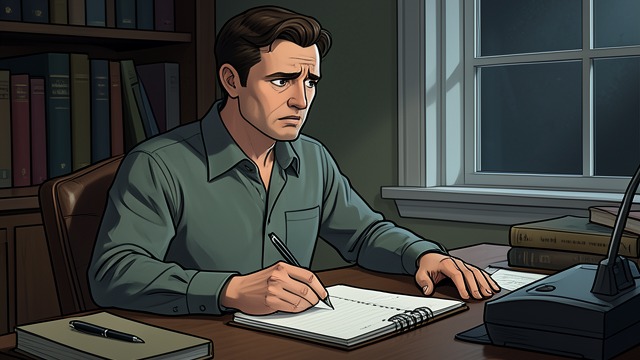
A Conditional Artistic Hope
An alternative to history
After abandoning his research, Roquentin hears a melody whose form seems distinct from the worn object that carries it. This suggests that making something may differ from recording what has already existed.
Hope without certainty
He imagines a novel that might let him regard his life without repugnance. No assurance of success follows; the new possibility is a choice, not a guarantee that existence has been explained.
At the beginning of the diary
During the week before his meeting with Anny
At the close of the novel
