
From First Nausea to Self-Recognition
NauseaThis flow follows the recurring nausea as an external-seeming disturbance that becomes Roquentin’s recognition of his own condition.
increasing Bearing strength in each event
 decreasing
Bearing strength in each eventdecreasingThe Paper Cannot Be Lifted
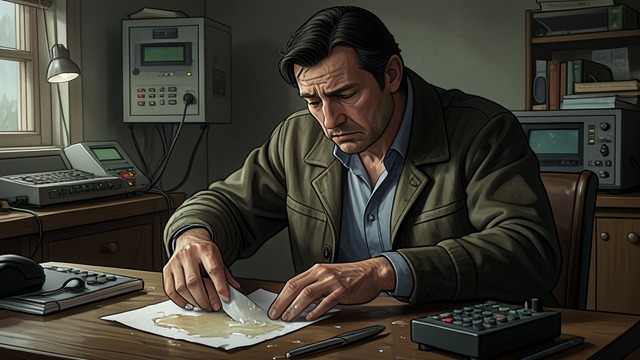
The Paper Cannot Be Lifted
A failed ordinary action
On his way out, Antoine Roquentin tries to pick up a wet page and cannot make himself do it. The small failure unsettles him more than any extraordinary event could.
Freedom feels diminished
He concludes that he is no longer free to act as he expects. Contact with things has become charged, as if objects were living presences rather than tools.
The Café Becomes the Site
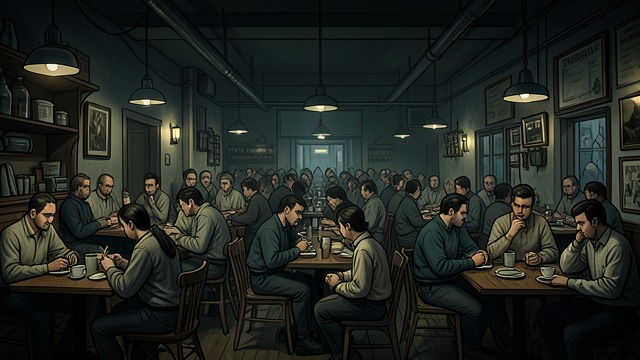
The Café Becomes the Site
A public refuge fails
At Railwaymen's Rendezvous, the arrival of the nausea transforms familiar faces, clothing, and furniture into strange, oppressive presences. Roquentin can no longer rely on crowds or bright rooms for protection.
Music briefly changes the pressure
The record’s melody gives him a temporary interval of happiness and order. When it ends, ordinary existence resumes, showing that the relief is real but not permanent.
Nausea Becomes His Condition
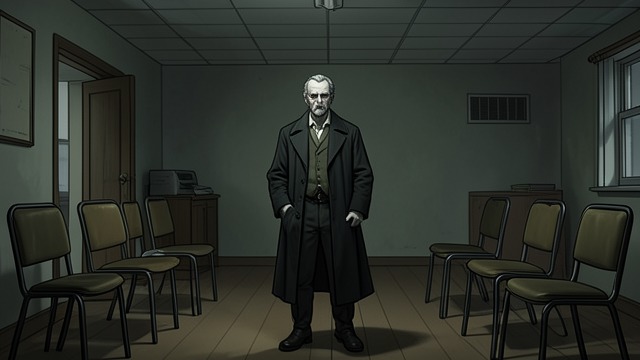
Nausea Becomes His Condition
Recognition rather than cure
After the chestnut-root vision, Roquentin says the nausea is not simply an illness passing through him. He understands it as bound to his own awareness of existence.
A changed relation to fear
The knowledge does not make the world comfortable or meaningful. It does, however, replace bewilderment with recognition: the disturbing presence is not an alien episode but a truth he has encountered.
Monday, January 29, 1932
Later that day
Near the ending, after the garden encounter
