
Need, Ownership, and the Price
Needful ThingsThis flow traces how the novel connects longing for objects with bargaining, possession, responsibility, and the consequences of treating desire as need.
increasing Bearing strength in each event
 decreasing
Bearing strength in each eventdecreasingThe Shop’s Promise
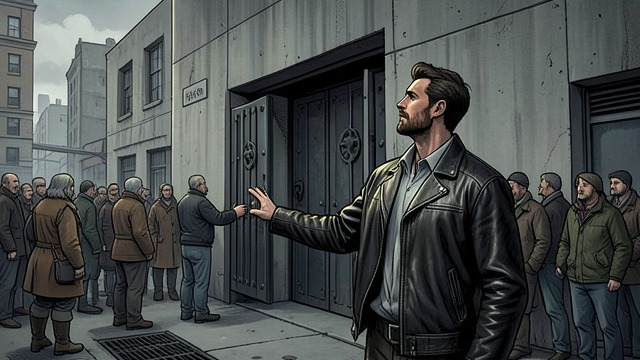
The Shop’s Promise
A name that invites interpretation
Needful Things promises to sell objects people feel they need. Gaunt rejects ordinary price tags and defines value by a buyer’s willingness to pay.
Need becomes leverage
His method makes a private longing feel like an essential lack. The customer is drawn toward the object before understanding that the bargain extends beyond money.
Possession Replaces Use
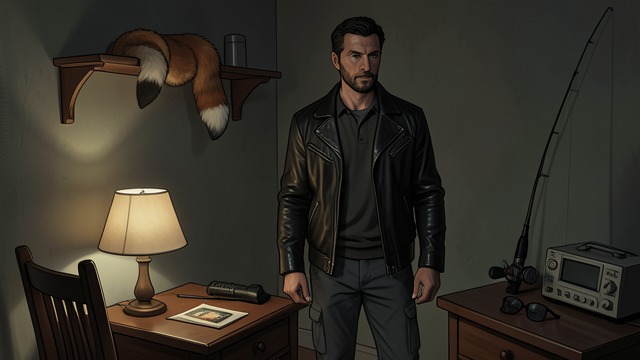
Possession Replaces Use
Objects acquire emotional weight
The card, lampshade, fox-tail, fishing rod, and sunglasses represent far more than their material qualities. Each seems to restore a lost memory, status, or sense of possibility.
Fear of losing the object
Customers increasingly protect possessions rather than enjoy them. Gaunt uses their fear of loss to direct their behavior and deepen their dependence.
A Second Price
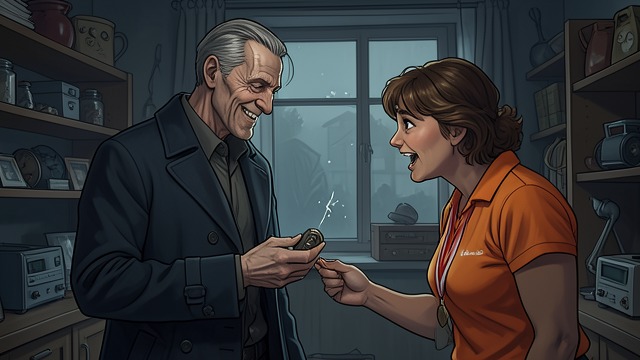
A Second Price
Pranks as payment
Gaunt makes customers promise to perform small acts of mischief. These acts seem inexpensive beside the desired object but are designed to affect other people.
Harm is transferred outward
The buyer’s satisfaction is purchased through someone else’s fear or humiliation. The novel’s bargain structure makes each customer responsible for a cost that reaches beyond the transaction.
The Final Inventory
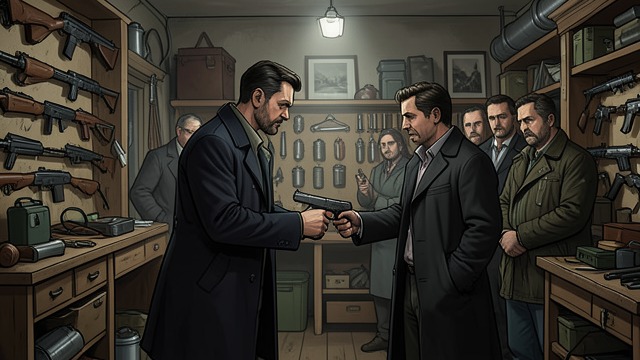
The Final Inventory
Weapons replace curios
As Gaunt’s enterprise nears its end, firearms and explosives replace collectible goods. Customers now pay to make their grievances physically consequential.
A whole town is implicated
The bargains are no longer isolated purchases. Each one has helped create conditions in which other residents are endangered, including those who never entered the shop.
The Price Is Refused
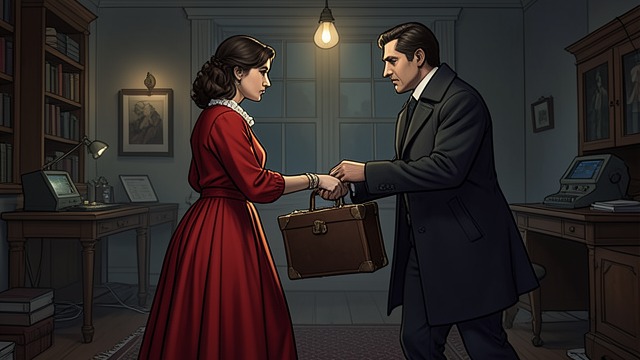
The Price Is Refused
Polly rejects the exchange
Polly destroys the Azka despite the prospect of renewed pain. She refuses to let relief purchased through complicity define what she is willing to accept.
Alan keeps the valise
Alan refuses Gaunt’s claim of ownership over the captured souls. Their refusal breaks the final transaction and sends Gaunt out of Castle Rock, though the damage already done remains.
October 9, 1991
October 9–13, 1991
October 9–15, 1991
Evening of October 15, 1991
Night of October 15, after the explosions
