
Possession and the Fear of Loss
Needful ThingsThis flow traces how valued objects become substitutes for memory, affection, status, and safety—and how fear of losing them intensifies the characters’ choices.
increasing Bearing strength in each event
 decreasing
Bearing strength in each eventdecreasingThe Card That Must Be Owned
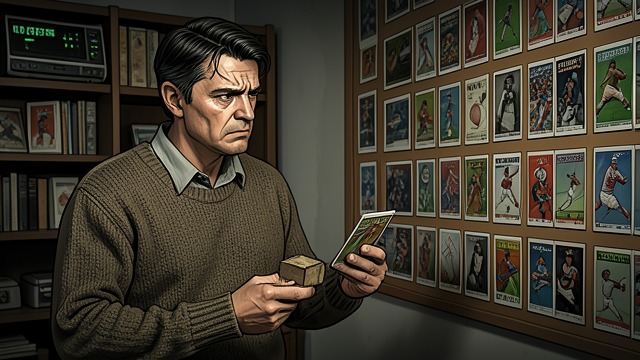
The Card That Must Be Owned
A collector’s desire
Brian wants a particular Sandy Koufax card and has patiently built his collection. The hobby connects him to his father and offers a private source of pride.
Gaunt supplies perfection
The signed card appears to satisfy the desire exactly. Its apparent personal connection makes Brian feel that returning it would mean losing something irreplaceable.
The Lampshade That Must Be Protected
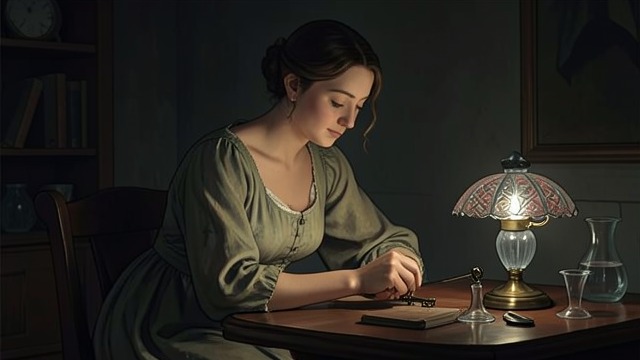
The Lampshade That Must Be Protected
A treasured collection
Nettle buys a carnival glass lampshade that completes a collection begun by her mother. The object carries memories of her past and a sense of personal worth.
Safety becomes captivity
Fear that Wilma will break the lampshade keeps Nettle indoors and preoccupied with locks. Her attachment gives Gaunt a way to control her through the threat of loss.
The Fox-Tail That Promised Change
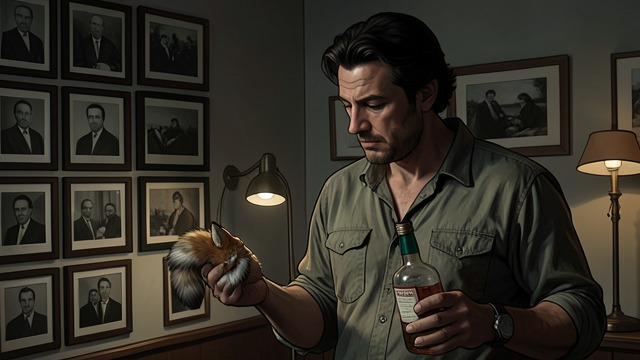
The Fox-Tail That Promised Change
A symbol of youth
Hugh sees the fox-tail and recalls a time before alcoholism took over his life. He imagines using the object as the start of a new sober future.
Possession consumes purpose
He hides the fox-tail rather than acting on the hope it represents. Fear of theft and Gaunt’s manipulation turn it from a symbol of change into an object he protects at any cost.
The Rod Too Precious to Use

The Rod Too Precious to Use
A father’s memory
Norris believes Gaunt’s Bazun rod may be the fishing rod that belonged to his father. It evokes their time together on Castle Lake.
Use replaced by ownership
Norris is too afraid to risk the rod by fishing with it. When he discovers its real condition, the object’s supposed value collapses and he sees how Gaunt has redirected his grief.
What Objects Cannot Save
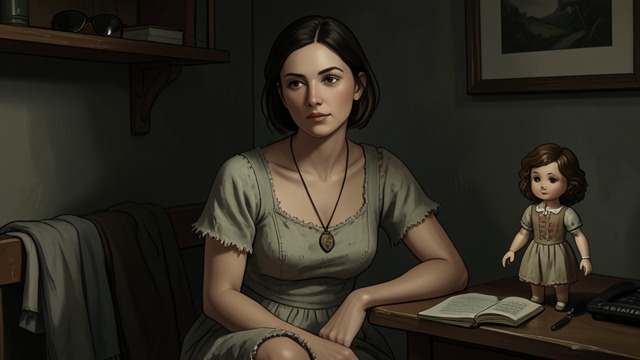
What Objects Cannot Save
Different kinds of attachment
The doll, the Elvis sunglasses, the amulet, the fishing rod, and the card all appear to promise comfort or completion. Each promise isolates its buyer from the people who might help.
Possession has a human cost
Some objects outlast their owners; none can restore the dead or repair a community. The novel contrasts the temporary satisfaction of ownership with the more difficult work of care, honesty, and choice.
October 8, 1991
October 9–13, 1991
October 9–15, 1991
October 11–15, 1991
Night of October 15
