
Death, Memory, and the Living
Norwegian WoodThis flow develops the novel’s distinction between explaining death and learning to continue living after loss.
increasing Bearing strength in each event
 decreasing
Bearing strength in each eventdecreasingThe First Death
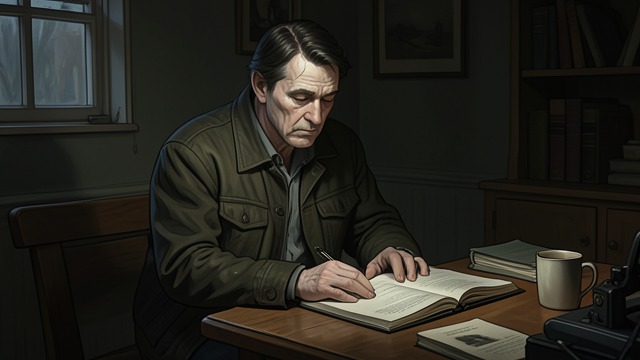
Death Enters the Living
A changed understanding
Kizuki’s suicide breaks Watanabe’s belief that death is separate from everyday life. He feels that death has entered his own being as well.
No adequate explanation
The absence of a note leaves no clear cause to settle the loss. A philosophical formulation can describe the shock but cannot undo it.
A Second Loss
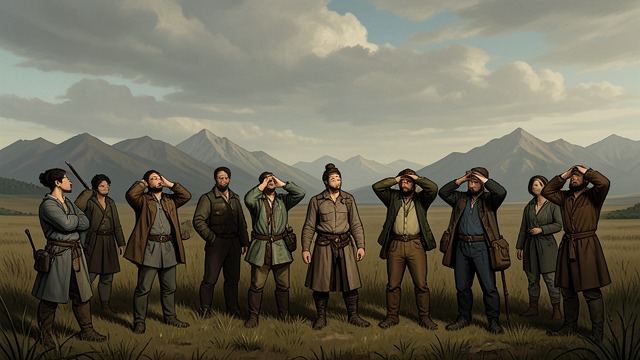
Naoko’s Death Reopens Grief
The old wound returns
Naoko’s suicide brings back Watanabe’s earlier experience of losing Kizuki, but the new loss has its own distinct force.
Grief exceeds philosophy
Watanabe understands that a truth about death cannot cure the sadness of losing a loved one. Knowledge offers no shortcut through mourning.
The Dead Speak in Memory

An Inner Country of the Dead
Recalled presence
Watanabe imagines Naoko speaking to him between waves. In that interior world, death does not end her presence.
Return to absence
The imagined comfort fades with the tide, leaving him alone on the shore. Memory sustains contact but cannot make the dead physically present again.
The Museum of Loss
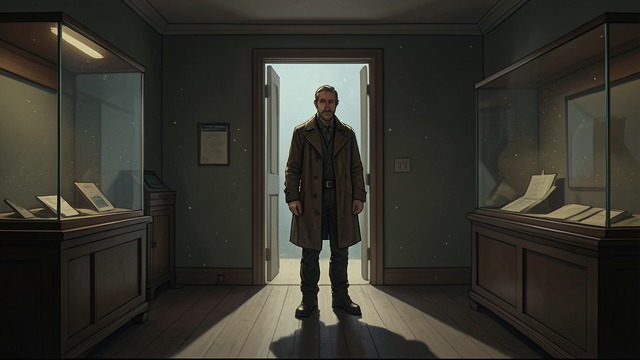
Guarding an Empty Collection
Rooms set aside
Watanabe describes himself as a caretaker of an empty museum, spending time in rooms preserved for Naoko. Objects and memories seem to outlast ordinary life.
Isolation from the living
The image reveals how remembrance can become a form of withdrawal. He has not yet found a way to honor the dead while rejoining the living.
Continuing Without Cure
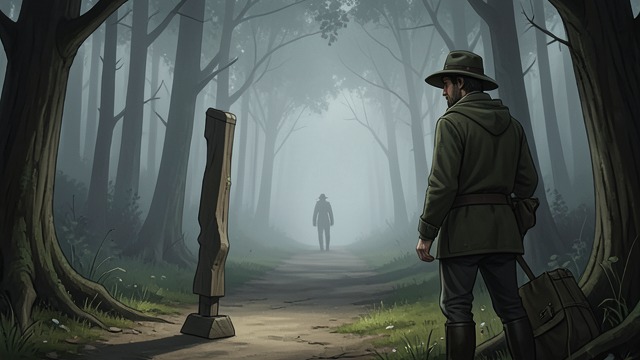
A Reach Toward Life
An unfinished choice
Watanabe calls Midori and says he wants to begin again with her. His declaration is an act of movement, not proof that grief has ended.
The question remains
Midori asks where he is, and he cannot answer. The ending holds together desire for connection and disorientation, leaving continued living as a difficult, unfinished task.
May, when Kizuki dies
Late August 1970
During Watanabe’s travels after Naoko’s funeral
The first days after Watanabe returns to Tokyo
At the final call to Midori
