
The Story’s Opening Promise
Norwegian WoodThis flow follows the narrative frame from a sensory memory at Hamburg Airport to Watanabe’s decision to write.
increasing Bearing strength in each event
 decreasing
Bearing strength in each eventdecreasingThe Landing in Hamburg

The Present Reopens the Past
Music on the plane
At Hamburg Airport, Watanabe hears a soft orchestral version of “Norwegian Wood.” The melody produces a physical reaction before he can explain it.
An old scene returns
He sees himself again in the meadow with Naoko. The past enters the present through sound and sensation rather than deliberate recollection.
Scenery Without Faces
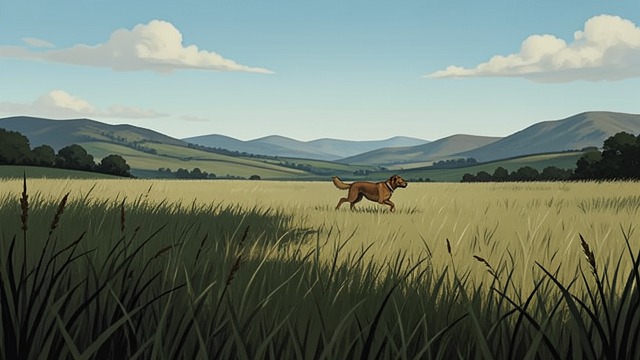
The Meadow Remains
Details survive
Watanabe recalls the grass, wind, hills, and distant dog with extraordinary clarity. Naoko and his younger self are missing from the first version of the scene.
Memory’s paradox
The landscape returns more reliably than the people who once occupied it. The gap makes him question how a memory can be vivid and incomplete at once.
A Face Reconstructed

Building Recognition
Fragments gather
Watanabe recalls Naoko’s hand, hair, coat, voice, and habits. Gradually, these details allow her face to emerge in his mind.
Time lengthens the process
What once took seconds now takes longer. The delay makes memory feel vulnerable to eventual darkness rather than permanently secure.
The Memory’s Kick

A Demand to Wake
A repeated summons
The meadow scene seems to kick Watanabe’s mind and tell him to wake up and consider why he is still alive. The image is a challenge rather than a comfort.
Writing as response
He decides to write because putting memories into words is how he tries to understand them. The narrative begins as an answer to the pressure of recollection.
The Imperfect Promise

Writing What Remains
Memory cannot be complete
Watanabe accepts that his account contains imperfect memories and thoughts. He recognizes that their fading may deepen his understanding even as it weakens his recall.
A promise kept imperfectly
His book is an effort to remember Naoko because she asked him to. Writing cannot restore her, but it keeps the promise active in the present.
November, eighteen years after the central events
Immediately after the memory returns
As Watanabe continues reflecting on Naoko
During Watanabe’s reflection at the airport
At the opening of Watanabe’s written account
