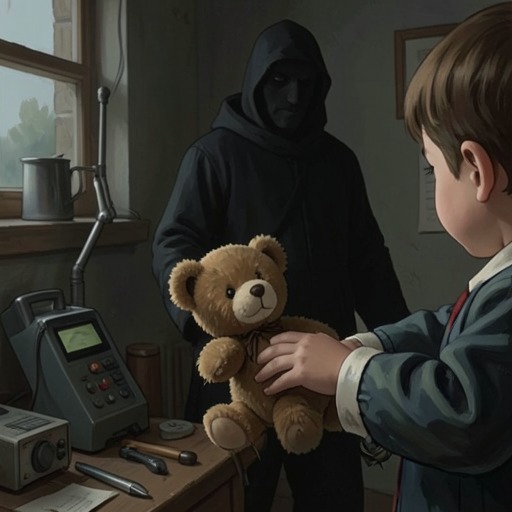
“The bills are due”
Norwegian Wood“The bills are due” is Naoko’s metaphor for the pain of growing up: she and Kizuki, having lived in a closeness that sheltered them from ordinary social and sexual anxieties, must eventually face what that sheltered childhood could not prepare them for. The phrase makes adulthood sound like an account postponed rather than escaped, and connects their private history to Toru Watanabe’s later understanding of death and grief as realities that cannot simply be reasoned away.
The Metaphor of Deferred Growing Up
Naoko describes herself and Kizuki as an inseparable pair who had grown up together, sharing an unusual openness and a sense that they belonged to one another. She imagines that, had Kizuki lived, they would have remained together and gradually become unhappy. When Toru asks why, she answers that they would have had to pay the world back what they owed it: the pain of growing up. Her image of two children on a desert island, able to meet hunger and loneliness simply, contrasts their protected intimacy with the demands of entering society.
The debt is not a punishment imposed for a particular wrongdoing. It names the developmental costs that Naoko believes she and Kizuki postponed: the difficult movement from an enclosed childhood bond into adult life. Her explanation makes their shared past both loving and limiting. They did not set out to hurt Toru, she says, but their reliance on him as a link to the outside world nevertheless left a deep wound. The phrase therefore describes not only a private reckoning but the consequences their isolation had for someone drawn into their relationship.
Death, Life, and the Limits of Explanation
The metaphor gains a broader resonance from Toru’s developing understanding of death. After trying to distance himself from painful memories, he comes to see death not as the opposite of life but as part of it. This idea helps him understand that the living continue amid death’s presence; it does not make loss painless or resolve the obligations of grief.
After Naoko dies, Toru travels west along the coast, unable to absorb that she is gone. Memories return in waves, and in them he experiences a place where the dead remain part of life. But their temporary nearness gives way to solitude and grief. He concludes that no truth, sincerity, strength, or kindness can cure the sadness of losing a loved one; grief must be lived through, and what one learns from it offers no protection from the next loss. The novel thus complicates the language of debts and lessons: suffering may yield understanding, but it cannot be paid off once and for all.
Consequences in Toru’s Life
The phrase’s sense of overdue pain also echoes in Toru’s own difficulties. After a fight with an older student in the dormitory, he receives a warning and grows increasingly uncomfortable living there. Later, after returning to Tokyo following Naoko’s death, he shuts himself away for days, his memory fixed on the dead rather than the living. These episodes do not establish a simple moral account in which pain is deserved or neatly balanced. Instead, they show how past losses and present circumstances continue to press on a person trying to live among others.
As an expression, “the bills are due” gives Naoko’s account of childhood a compact, memorable form while resisting the idea that growing up or grieving follows a fair schedule. What has been deferred eventually becomes unavoidable, but facing it does not guarantee happiness or closure. Toru’s later reflection sharpens that distinction: understanding may be part of living with loss, yet it cannot cancel the sorrow itself.