Momo
Norwegian WoodMomo is Midori Kobayashi’s sister, a largely offstage figure whose life is glimpsed through the sisters’ shared experience of family illness and care. Her significance lies in the practical solidarity between them: they shoulder responsibilities that visitors can witness only briefly, and their unperformed grief is mistaken for coldness.
Family and Bereavement
Momo and Midori lost their mother to cancer after a year and a half in hospital. Midori describes the illness as prolonged and devastating for the family, consuming their savings and requiring constant care. She also says that her mother’s death brought a complicated relief: she could manage the family budget herself and buy what she wanted, while their father knew little about household finances. The loss thus altered both the sisters’ emotional lives and their daily responsibilities.
The illness had already interrupted Midori’s education, forcing her to delay university for a year. Her account makes clear that bereavement was not an isolated moment followed by a return to normality: the costs of care and the work of managing family life continued to shape the sisters’ choices.
Shared Care for Their Father
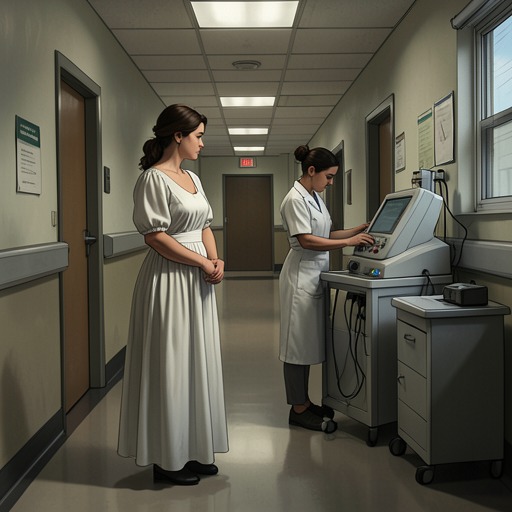
When their father is ill in hospital, the sisters share the work of supporting him. Midori explains that although the hospital provides nursing care, the staff are stretched and a family member needs to fill the gaps. She usually visits four days a week, while Momo comes three days; both fit hospital visits around other obligations, and they sometimes arrive without drawing attention to themselves.
For Midori, care is measured not by expressions of sympathy but by the tasks that keep a patient attended to. She describes cleaning and other difficult practical duties, alongside the strain of watching repeated medical procedures and worrying about the family’s dwindling savings. Her frustration is directed at relatives who visit, leave food uneaten, and praise her appetite as though distress were best proved by not eating. Momo is part of the sibling partnership carrying the ongoing burden, even though the narrative gives fewer details of her individual visits.
Grief and Sisterly Solidarity
Momo and Midori’s response to a family funeral is another measure of how their experience differs from outsiders’ expectations. Midori says that after prolonged caregiving, the formal business of a funeral seemed easy by comparison; she and her sister were so drained that they had no tears left. Other people interpreted their composure as evidence that they were cold, but the sisters refused to manufacture grief to satisfy an audience.
Midori emphasizes that she and Momo are different types, yet united in this refusal. Their solidarity is not expressed through identical personalities or conspicuous displays of feeling. It appears instead in their shared understanding of what they have endured and in their agreement not to perform sorrow for people who mistake its public appearance for its reality.
Life Beyond Caregiving
By the time Midori describes her sister’s later routine, Momo is helping a friend at an upscale accessory shop three times a week. She is also studying cookery, dating her fiancé, and going to the cinema. The account presents these activities without suggesting that the family’s hardships have been erased; rather, they show Momo re-entering the ordinary pleasures and plans of life alongside her continuing responsibilities.
Momo’s limited presence in the narrative is consistent with her role as a member of Midori’s family rather than a central participant in the main action. Through Midori’s recollections, however, she emerges as a partner in care and bereavement: someone whose composure has been misread, whose labor is part of the family’s response to illness, and whose later pursuits register a life continuing beyond the hospital.