Reiko
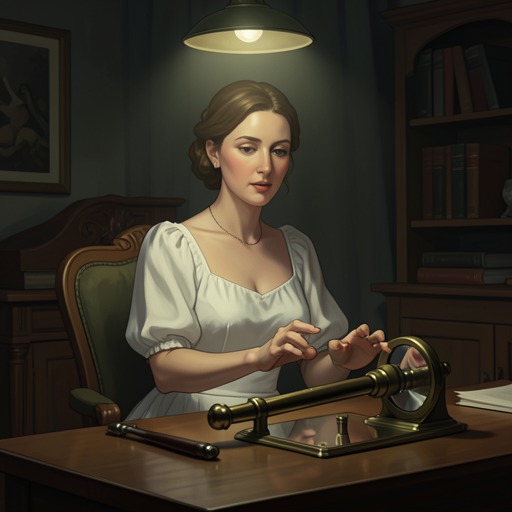
Norwegian WoodReiko is a long-term patient at Ami Hostel whose work as a music teacher and office helper blurs the boundary between patient and staff. A former conservatoire prodigy who expected to become a concert pianist, she presents a life altered by the unexplained failure of her left little finger—a bodily crisis that interrupted her musical future and brought her to psychiatric care.
Identity and Work at Ami Hostel
Reiko introduces herself by the name everyone uses and jokes that her small appetite is offset by cigarettes. When Toru Watanabe asks whether she is Naoko’s doctor, she corrects his assumption: she teaches music as a form of therapy for some patients, and is herself a patient. Residents sometimes call her “The Music Doctor” or “Doctor Ishida,” but neither title makes her a physician. She has lived at the hostel for seven years and also helps in its office, making it difficult, as she puts it, to tell whether she is a patient or staff.
Her introduction also establishes her closeness to Naoko. Reiko is Naoko’s roommate, likes living with her, and says the two talk about all kinds of things, including Watanabe. The intimacy of that shared life gives Reiko a perspective on Naoko that Watanabe does not yet possess; her role is at once practical, companionable, and shaped by her own residence in the institution.
A Musical Future Interrupted
Reiko recalls that she had talent as a pianist and that people recognized and encouraged it while she was growing up. She won competitions, earned top marks at the conservatoire, and expected to continue her studies in Germany after graduation. Her recollection stresses how secure that future seemed: everything appeared to be working out, and when something went wrong, someone had always been there to fix it.
The break came in her final year, shortly before an important competition. Although she practised constantly, her left little finger suddenly stopped moving. Massage, soaking it in hot water, and taking several days away from practice made no difference. The abrupt failure of a single finger threatened not only her preparation for the competition but the larger future for which her training had prepared her.
From Medical Uncertainty to Patienthood
Reiko sought medical help, but examinations found no physical problem with the finger or its nerves. Doctors said there was no apparent reason it should stop moving and suggested that the cause might be psychological. A psychiatrist likewise could not determine what was happening; he considered pre-competition stress a possibility and advised her to get away from the piano for a while. The account leaves the cause unresolved rather than supplying a definitive explanation.
That uncertainty stands in striking contrast to the apparently effortless progress of her earlier life. Reiko’s story moves from recognized talent, competition success, and plans to study abroad to a bodily limitation that neither the tests nor the psychiatrist could explain. At Ami Hostel, music remains both her work and a way of helping other patients, even as her former identity as a pianist is recounted through the interruption that prevented its expected continuation.