
The Struggle to Be Seen as More Than a Body
Of Human BondagePhilip's encounters with mockery, clinical scrutiny, and attraction dramatise his struggle to separate identity from physical appearance.
increasing Bearing strength in each event
 decreasing
Bearing strength in each eventdecreasingThe Childhood Label
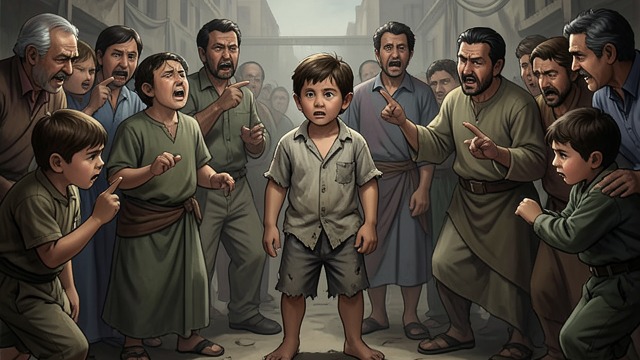
The Childhood Label
Philip's limp is noticed and discussed by adults and children before he can decide what it means to him. At school, mockery turns the club-foot into a public identity.
The wound of visibility
He learns to hide his foot and to anticipate ridicule. The reactions of others make a bodily condition feel like a verdict on his social worth.
Exclusion from Games

Exclusion from Games
Philip cannot participate in games on the same terms as his peers, and his limp becomes an excuse for exclusion and imitation. Academic prizes offer recognition but do not repair his isolation.
Difference becomes inward
He begins to imagine life from the position of other boys, envying their ease. His self-consciousness shapes how he approaches friendship and later romance.
The Clinical Gaze

The Clinical Gaze
A surgeon asks Philip to expose his foot before a group of students while teaching a case. Philip knows the medical purpose but still experiences the encounter as humiliating.
Knowledge and feeling diverge
Professional learning gives him language for the condition without removing shame. His reaction shows how personal history can survive even in a clinical setting.
A More Useful Body
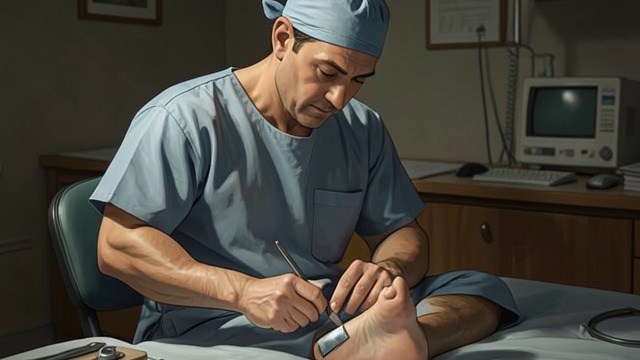
A More Useful Body
Philip accepts an operation that may improve his foot without promising complete correction. He approaches the decision practically after years of wishing for a miraculous cure.
Limits acknowledged
The change is modest, but it helps him work and walk with less conspicuous footwear. He begins to treat his body as a condition of life rather than its whole meaning.
Love Without Ideal Form
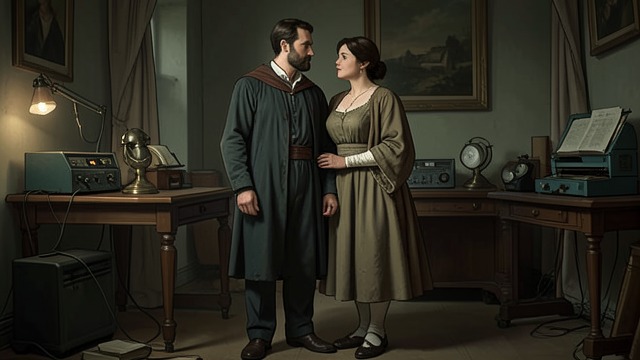
Love Without Ideal Form
Sally's affection is not deterred by Philip's limp, and their relationship grows through companionship rather than romantic idealisation. Philip's old fear that no woman could accept him loses some of its power.
A different measure
Her acceptance does not cure his insecurity by magic, but it makes physical difference less decisive. The possibility of marriage rests on mutual life, not an imagined perfect body.
Philip's earliest years at school
during Philip's preparatory-school years
during Philip's medical training
after Philip chooses a surgical operation
near the end, during Philip's relationship with Sally
