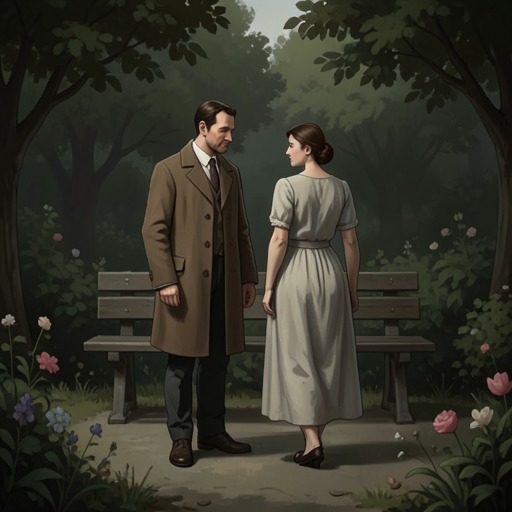
Greenwich
Of Human BondageGreenwich, reached by a penny steamboat from Westminster Bridge, is the setting for an outing in which Philip Carey explains how his years studying art in Paris changed the way he sees the world. The place turns an aesthetic argument into an experience: sunlight, a child’s movement, and the river-facing architecture make ordinary surroundings newly legible to him.
The outing
Philip proposes going downriver rather than spending a fine day searching for rooms. He and Hayward take a cab to Westminster Bridge and board the steamboat just as it is starting. Their visit unfolds at an unhurried pace, away from the immediate business of finding accommodation.
At Greenwich, they see the noble building designed by Inigo Jones facing the river. Philip associates the place with Poor Jack, who dived into the mud for pennies, linking the imposing architecture to a remembered image of precarious labor. The detail gives the visit a historical and social texture beyond its scenic appeal.
Park and perception
The pair wander through the park, where ragged children play noisily and old seamen bask in the sun. Philip senses an atmosphere belonging to a hundred years earlier. The scene combines present-day movement with the lingering impression of an older world, and its people are part of what makes the landscape meaningful.
Hayward suggests that Philip wasted two years in Paris. Philip rejects the judgment by pointing to the movement of a child, the pattern of sunlight on the ground through the trees, and the sky. He insists that he would not have seen these things in the same way without his Paris experience. The park thus serves as evidence of a changed vision rather than as a picturesque reward for study.
Artistic significance
Earlier, Philip had recalled an idea associated with Clutton: painters and poets create beauty, and things acquire further beauty through the emotions later generations invest in them. At Greenwich he brings that theory to bear on immediate perception. The child’s movement and the shifting light are not merely decorative details; they demonstrate how trained attention can disclose value in ordinary life.
The outing also reframes Philip’s two years in Paris. Hayward measures them as time spent away from practical progress, but Philip measures them by what they have taught him to notice. Greenwich becomes the setting for that disagreement and for his defense of artistic experience: its worth lies not only in producing art, but in altering how the world is seen.