
Public Judgment and Private Truth
On the Come UpThis flow traces Brianna’s struggle against public stories that turn her into a drug dealer, a violent influence, or a marketable stereotype.
increasing Bearing strength in each event
 decreasing
Bearing strength in each eventdecreasingThe Video Caption
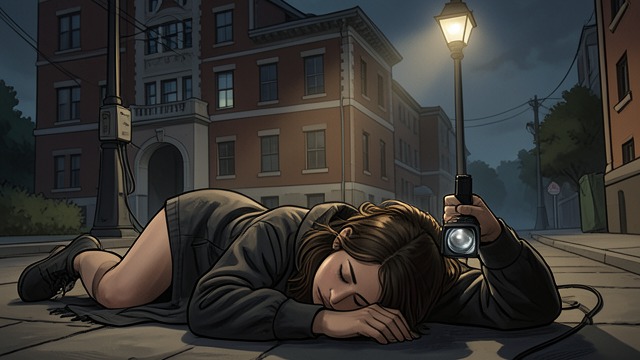
A Story Before the Facts
Partial footage circulates
A student posts video of Brianna already on the ground and captions it as a drug dealer being caught. The clip omits what happened before the recording began.
Reputation outruns truth
Rumors grow from candy sales into claims that Brianna sells drugs. The label changes how peers and parents interpret the incident, even though the search found candy.
The News Narrative
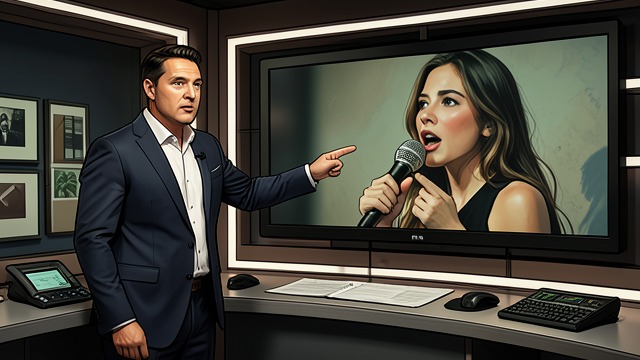
Lyrics as a Convenient Cause
The report edits the context
News coverage presents Brianna’s lyrics as a factor that encouraged violence, emphasizing violent lines while omitting their full context. The report makes the song easier to blame than the school’s security practices.
Family hears the accusation
Jayda recognizes Brianna’s voice on television and demands an explanation. Public interpretation enters the home, forcing Brianna to defend the song to the person whose safety she most wants to protect.
The Petition’s Double Standard
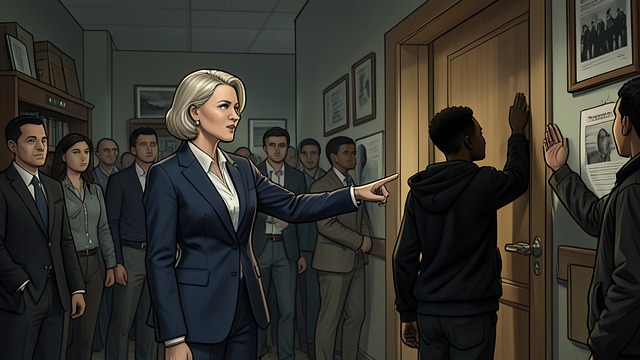
Who Gets to Speak
A campaign against the song
Emily Taylor calls for On the Come Up to be removed, arguing that its violence threatens children. Brianna notices that Taylor has also defended gun ownership in another article.
Unequal interpretation
Brianna sees a distinction in how the same subject is treated when spoken by a white adult and when rapped by a Black teenager. Her anger reflects not only censorship but the unequal assumptions attached to her voice.
The Interview’s Challenge
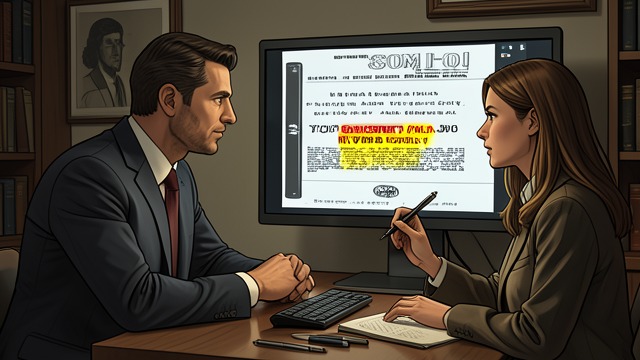
Authorship Put on Trial
A question of credibility
Hype suggests Brianna could not have written her battle verses or song and implies that she is not truly armed. His skepticism turns an interview about controversy into a challenge to her authorship and experience.
Gender shapes the doubt
Hype admits that Law’s teenage lyrics did not surprise him, but Brianna’s did. She recognizes that her anger is being interpreted through expectations about a girl rather than the content of her argument.
Naming Herself
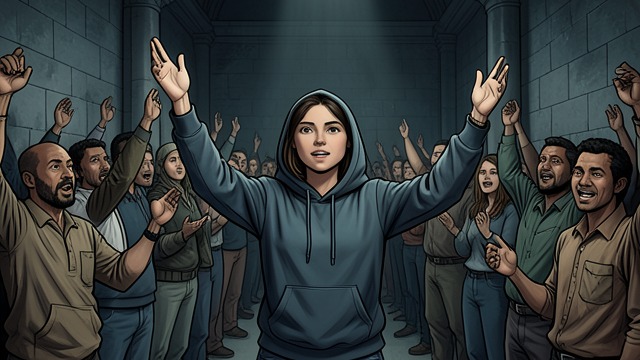
A Voice Beyond Labels
Refusing imposed categories
Brianna tells the crowd she will not be a pet, puppet, clone, sellout, or thug. She connects herself to her family and community while rejecting a single identity assigned from outside.
The crowd hears her name
The audience chants “Bri,” recognizing the artist rather than only Law’s daughter or a controversial song. That response does not settle every public judgment, but Brianna ends by claiming authority over who she is.
Immediately after Long and Tate restrain Brianna
After the school uprising, during the evening broadcast
After Emily Taylor publishes her article
During Brianna’s Hot Hour interview
During the final Ring freestyle
