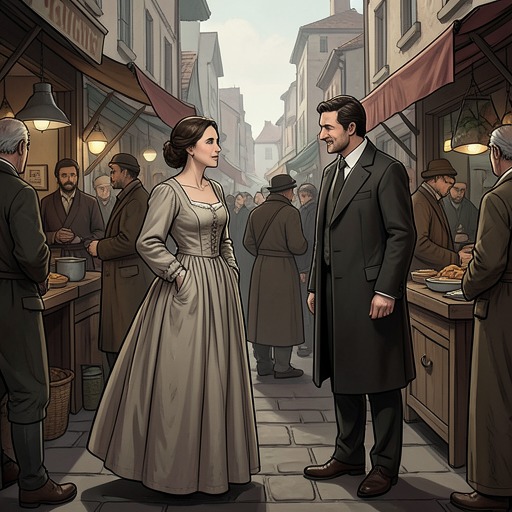
A thousand and one
One Thousand and One Nights“A thousand and one” is the expression that transforms Zaen’s record of courtship into a measure of changed understanding. Della has heard a proposal every week since she was six; what finally wins her answer is not another ornate appeal but a friendship bracelet that makes their shared history tangible. Zaen calls his successful attempt the thousand and first, and Della accepts on the condition that he remain her dearest friend.
The Count Behind the Expression
Della describes the pattern to her companions as a weekly love letter accompanied by a marriage proposal, begun when she was six and Zaen was seven. She recalls that she had only just learned to read, while he had barely learned to write. The proposals continued regardless of weather or occasion, and regardless of how often she put him off. Her companions calculate the total as a thousand; Della’s emphatic account of every single week makes the number feel less like a romantic flourish than an exhausting routine.
The count also obscures the difference between persistence and understanding. Della calls Zaen a dear but says she regards him as a friendly acquaintance, not a lover, and insists that he has given her no reason to believe his words reflect knowledge of who she is. The repetition has made his pursuit familiar, even expected, without making it persuasive. The expression’s eventual force comes from what the thousand proposals failed to accomplish—and what the next attempt changes.
Why the Thousand and First Is Different
Zaen’s decisive gesture is a bracelet, not a poem or a costly jewel. Its strands recall their history: white horsehair represents their first meeting, red recalls the stallion that threw Della and the moment Zaen caught her, and black comes from the mare he gave her. A bead bears each of their initials, which Zaen carved himself. The object gathers particular memories into a gift, showing that his affection is attached to Della’s lived identity rather than an abstract image of a wealthy prize.
Della recognizes the distinction. She explains that the poetry had sounded like pretty words, while the bracelet demonstrates an enduring love she can believe in. What she wanted, she says, was someone willing to trust her with what he did not have and to believe she could love him in return—not someone offering gold and diamonds. She had hardened her heart because she feared that the pleasure of their daily encounters would otherwise turn into romance founded on a misunderstanding.
A Bargain Recast as Friendship
When Zaen says it took a thousand and one tries to find Della’s heart and calls that a bargain, the expression changes its emphasis. The first thousand proposals register persistence; the final attempt succeeds because he offers recognition rather than simply repeating the claim that he loves her. Della says the bracelet represents the person she wants to be to her husband: not a trophy won through effort, but someone to be treasured always. Her response makes clear that the decisive measure is not the number of times Zaen asked, but whether he has learned to see her as she sees herself.
Zaen’s proposal then asks Della to be his friend for life as well as his wife. She accepts without gold or jewels, provided he promises to be her dearest friend first and forever. The phrase thus marks both a comic tally and a relational turning point: a thousand declarations do not secure love, but the thousand and first attempt succeeds when courtship gives way to trust, shared memory, and friendship.