
Egyptian Nationalism and British Rule
OrientalismThis thread traces the conflict between British claims to benevolent government and Egyptian demands for political self-determination.
increasing Bearing strength in each event
 decreasing
Bearing strength in each eventdecreasingThe Administrator’s Arrival
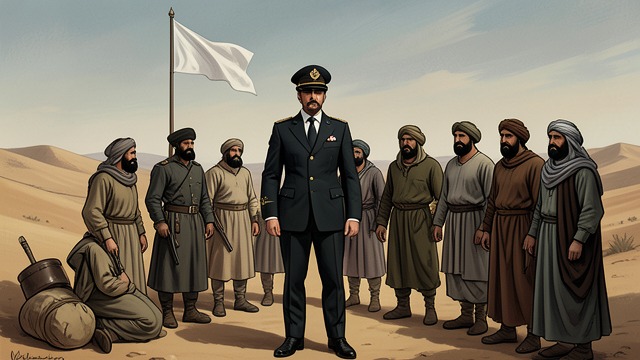
The Administrator’s Arrival
British Occupation
Britain occupies Egypt amid rising opposition to foreign control.
An Administrative Role
Evelyn Baring, 1st Earl of Cromer becomes central to British rule and its public justification.
Knowledge as Authority
His government draws confidence from assumptions about the character and capacities of the governed.
The Case for Rule

The Case for Rule
Benevolent Language
Cromer presents administration as serving the interests of subject populations.
Unequal Decision-Making
He nevertheless reserves the right to decide what those populations need.
Opposition Reframed
Demands for Egyptian self-government are treated as unsuitable or premature rather than authoritative political claims.
Balfour’s Defense

Balfour’s Defense
A Parliamentary Speech
Arthur James Balfour argues that British knowledge of Egypt supports continued British authority.
The Governed as Object
Egyptians appear in his argument chiefly as people to be described and managed.
Authority Reasserted
The speech turns expertise into a defense of imperial rule.
Nationalism Contested

Nationalism Contested
Egyptian Claims
Nationalists seek institutions, independence, and the right to govern their own society.
Imperial Refusal
Cromer rejects narrow nationalism in favor of a managed political order.
Conflict Deepens
The dispute exposes how benevolent imperial language can coexist with the denial of self-rule.
An Exemplary Case
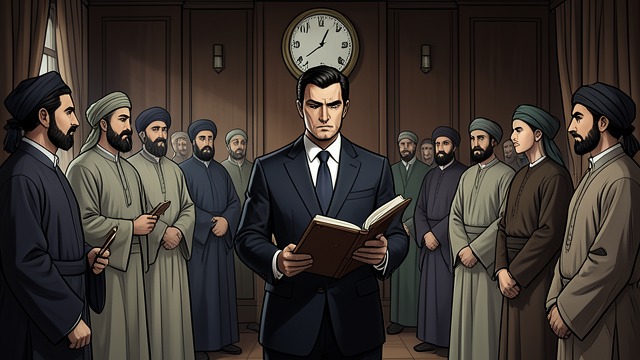
An Exemplary Case
A Political Pattern
Said uses Egypt to show how knowledge and occupation reinforce one another.
The People’s Exclusion
The colonized population is made the object of policy while its political voice is discounted.
A Wider Implication
The case illustrates a repeatable imperial logic, not merely the personal attitudes of two officials.
1882
Late nineteenth to early twentieth century
June 1910
Late nineteenth and early twentieth century
As Said develops his opening analysis
