
Sacy’s Rise and Renan’s Succession
OrientalismThis thread traces two scholars’ careers as a founding and consolidating generation of modern Orientalism.
increasing Bearing strength in each event
 decreasing
Bearing strength in each eventdecreasingSacy’s Early Formation
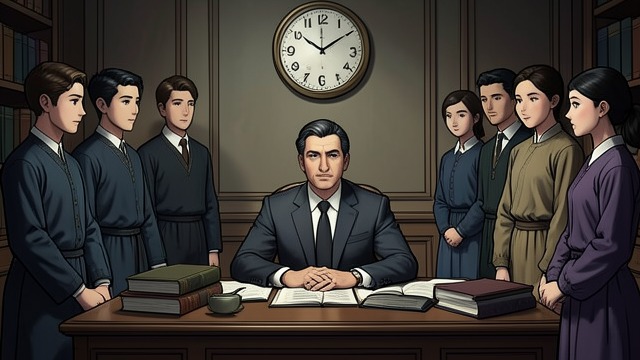
Sacy’s Early Formation
Languages and Learning
Silvestre de Sacy receives intensive training in languages associated with Oriental scholarship.
A Scholarly Identity
He turns this preparation into a career in teaching and specialized research.
A New Field
His work helps establish Oriental studies as a disciplined academic pursuit.
Sacy Builds a Curriculum
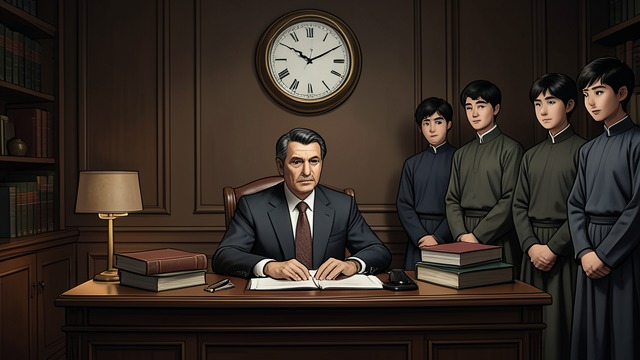
Sacy Builds a Curriculum
Teaching Materials
Sacy produces grammars, translations, and anthologies for students.
Method in Practice
He selects and arranges textual fragments into a teachable body of knowledge.
A Founding Legacy
His pedagogical authority becomes a source for later generations of Orientalists.
Renan Enters Philology

Renan Enters Philology
A Changed Vocation
Ernest Renan moves from religious study toward secular scholarship after a crisis of faith.
Scientific Ambition
He seeks a comprehensive account of language and human history through philology.
A Different Generation
Where Sacy inaugurates a field, Renan seeks to make its authority systematic.
A Scientific Public Voice
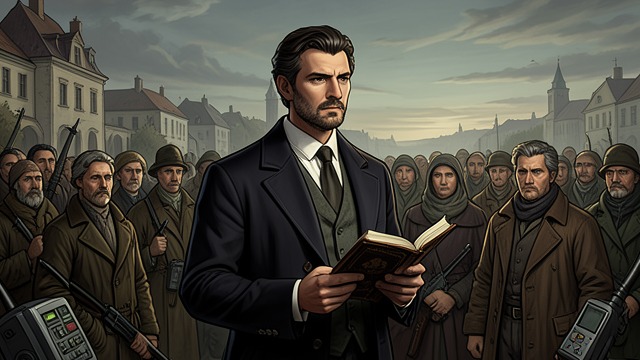
A Scientific Public Voice
Comparative Study
Renan presents linguistic research as part of a modern science of humanity.
Cultural Reach
His claims extend from language into judgments about the character and development of peoples.
Authority and Prejudice
Said stresses that intellectual prestige does not prevent a work from carrying political hierarchy.
Two Generations, One Field
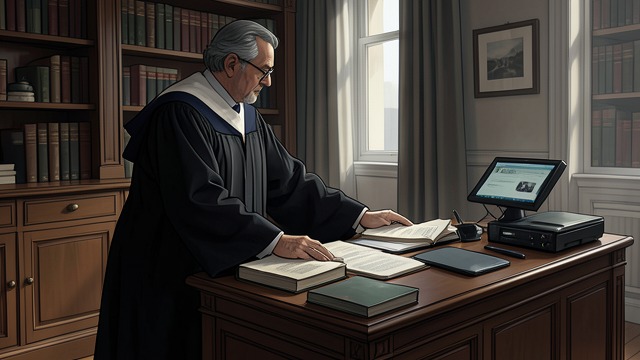
Two Generations, One Field
Inauguration and Consolidation
Sacy establishes a pedagogical structure; Renan strengthens its links to scientific comparison.
Institutional Continuity
Their work enables a stable scholarly tradition that can outlive either scholar.
Uneven Legacy
The discipline’s genuine learning and its unequal assumptions travel together.
Late eighteenth century
From 1799 through the 1820s
1840s
From the 1850s through the 1860s
By the later nineteenth century
