
Flaubert and Kuchuk Hanem
OrientalismThis thread follows the encounter between Gustave Flaubert and Kuchuk Hanem as an episode in travel, artistic imagination, and unequal representation.
increasing Bearing strength in each event
 decreasing
Bearing strength in each eventdecreasingAn Imagined Orient

An Imagined Orient
Literary Preparation
Flaubert arrives with an extensive European archive of images and expectations about the Orient.
Desire for Difference
He seeks a world that might answer artistic and personal longings.
An Unequal Frame
His expectations already give him a position from which local people can become material for his writing.
The Encounter in Egypt

The Encounter in Egypt
A Dancer and Courtesan
Flaubert meets Kuchuk Hanem during his travels in Egypt.
Observation and Intimacy
His notes combine personal encounter with a European writer’s effort to interpret her.
Unequal Speech
The account gives Flaubert the narrative voice while Kuchuk’s own history and perspective remain largely inaccessible.
A Body Made Symbol
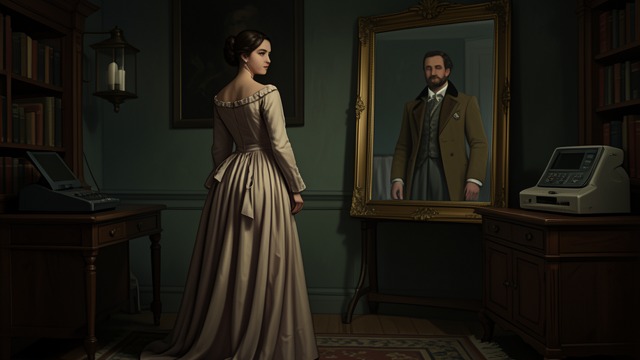
A Body Made Symbol
Artistic Material
Flaubert turns Kuchuk Hanem into a figure through whom he explores sexuality, art, and barrenness.
Generalization
His reflections move beyond one person toward broad claims about Oriental women.
Representation’s Cost
Said emphasizes the way aesthetic power can obscure the humanity of the person represented.
The Memory Becomes Fiction
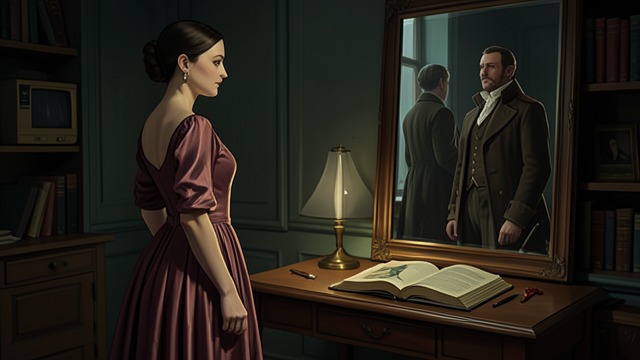
The Memory Becomes Fiction
Aesthetic Transformation
Flaubert reworks travel experience and prior reading in later literary projects.
Repeated Figures
The Oriental woman and the sensual East return as artistic types.
A Durable Image
The transformation extends the encounter’s imaginative influence while leaving its unequal structure intact.
Said’s Reassessment

Said’s Reassessment
Individual Complexity
Said treats Flaubert as a distinctive artist rather than reducing him to a single ideological formula.
Power Still Present
The writer’s individuality does not erase the imbalance between European author and represented subject.
A Humanistic Demand
The episode asks readers to notice who speaks, who is turned into an image, and whose history is left out.
Before Flaubert’s 1849 journey
During the 1849–1850 voyage
In Flaubert’s travel notes
After the journey
In the book’s analysis of nineteenth-century travel
