
From Cultural Opposition to Critical Revision
OrientalismThis thread follows Said’s account of how inherited East–West divisions persist, adapt, and become open to challenge.
increasing Bearing strength in each event
 decreasing
Bearing strength in each eventdecreasingAn Old Cultural Frontier
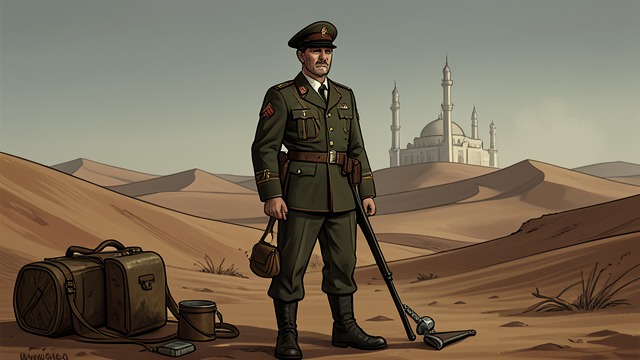
An Old Cultural Frontier
Dramatic Difference
European works stage Asia as distant, defeated, or dangerous, giving a cultural boundary memorable forms.
Islam as Threat
Europe’s encounters with Muslim powers deepen fear and encourage inherited polemical descriptions.
A Reusable Opposition
These representations supply later writers with familiar patterns for making difference appear permanent.
A Scholarly Renaissance
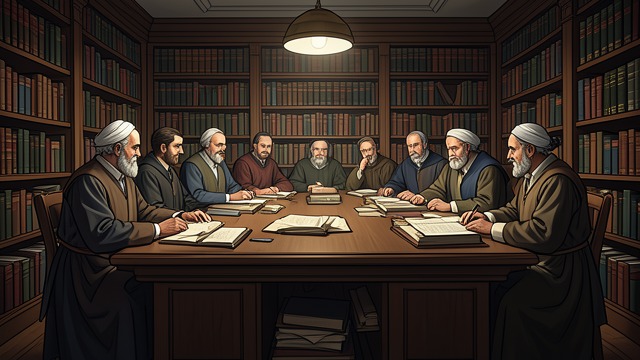
A Scholarly Renaissance
Expanded Horizons
New texts and language studies widen European interest beyond older Biblical frameworks.
Ordering the East
Anquetil-Duperron and William Jones help make Asian languages and histories objects of organized European scholarship.
Ambivalent Discovery
New learning expands knowledge while also making distant societies easier to classify and claim as European intellectual territory.
The Field Becomes Modern
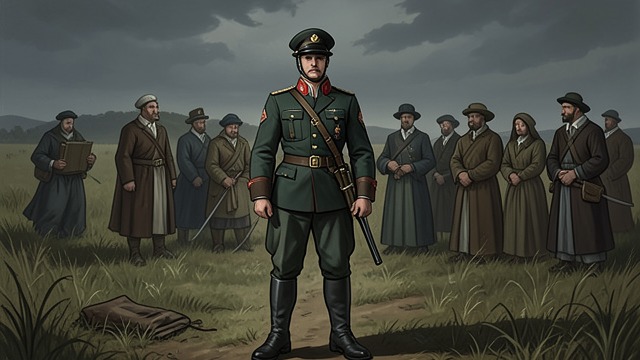
The Field Becomes Modern
An Enabling Encounter
Napoleon’s expedition places military occupation, scholarship, and representation in a closely connected setting.
Scientific Prestige
Comparative philology and related disciplines present historical claims in the authoritative language of science.
A System Takes Shape
Orientalism becomes a durable field whose methods and assumptions can be reused across institutions.
Colonial Crisis

Colonial Crisis
Rule Meets Resistance
European empires encounter increasingly organized demands for political independence.
Old Knowledge Persists
Orientalist frameworks often interpret new political movements as exceptions or symptoms rather than historical agency.
A Strained Authority
The gap between inherited categories and changing societies becomes harder to conceal.
Critique Without Reversal

Critique Without Reversal
Said’s Challenge
Edward Said examines the institutions and representations that make the Orient knowable from a position of Western authority.
Misreadings and Debate
He rejects the claim that criticizing Orientalism means defending a pure or unified Islam.
An Unfinished Task
The alternative is continued historical scrutiny and cultural exchange, not simply reversing the old binary.
From classical antiquity through the Middle Ages
Late eighteenth century
From 1798 into the nineteenth century
From the late nineteenth century to the interwar period
From 1978 to the 1994 afterword
