
The Conflict Over the American Expert
OrientalismThis thread traces Said’s account of how postwar American institutions turn regional scholarship into expertise for policy, commerce, and public representation.
increasing Bearing strength in each event
 decreasing
Bearing strength in each eventdecreasingA New Strategic Center
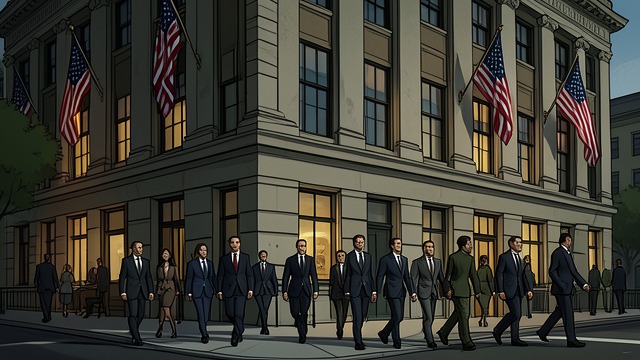
A New Strategic Center
Imperial Succession
The United States assumes a leading role in regions previously dominated by European powers.
New Institutions
Government, university, and research programs expand American study of the Middle East.
A Changed Setting
The institutional purpose of scholarship becomes a central issue in Said’s account.
Language as Instrument

Language as Instrument
Practical Training
Language study is increasingly promoted as useful to specialists in government, business, and defense.
Strategic Framing
Reports connect linguistic expertise to national interests and international competition.
Knowledge Reoriented
The purpose of learning can shift from understanding texts to managing policy problems.
A Policy Research Network
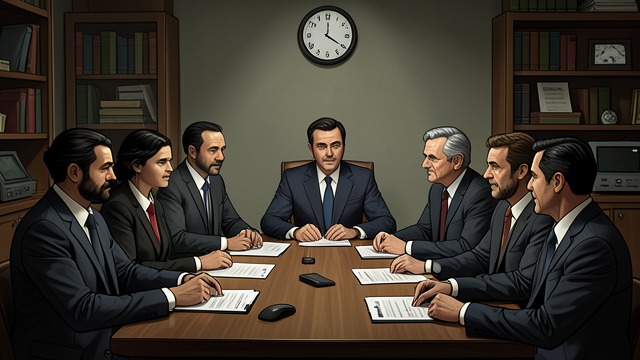
A Policy Research Network
Institutional Growth
Research centers and professional organizations help expand Middle East studies.
Public and Private Interests
Foundations, government agencies, and business interests become part of the field’s environment.
Said’s Concern
He argues that these connections require scrutiny rather than assumptions of academic neutrality.
The Arab in Popular Culture

The Arab in Popular Culture
Caricature Intensifies
American media portray Arabs through simplified images of defeat, menace, or irrationality.
Political Events Reframed
Changing conflicts and oil politics feed new stereotypes rather than necessarily displacing older ones.
Cultural Consequences
The caricature can make a diverse population appear uniform and politically suspect.
Expertise Challenged

Expertise Challenged
Categories Examined
Said questions explanations based on broad labels such as modernization, stability, or an Arab mind.
Human Experience Restored
Literary and historical accounts can disrupt the reduction of people to attitudes or statistics.
A Better Standard
He urges scholars to test their methods against changing, concrete social realities.
After World War II
Late 1940s through the 1950s
From 1946 through the 1960s
From 1967 through the 1970s
By the book’s conclusion
