
From Fixed Identity to Historical Process
OrientalismThis thread traces the movement from inherited cultural labels toward Said’s account of identity as constructed, contested, and changeable.
increasing Bearing strength in each event
 decreasing
Bearing strength in each eventdecreasingNaming the Other
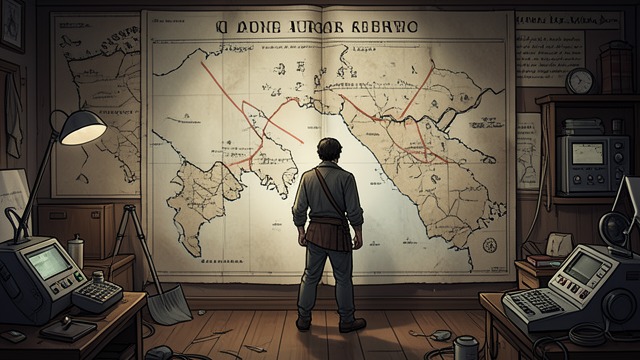
Naming the Other
Self by Contrast
A community can define itself partly through distinctions from people beyond its imagined boundaries.
Geography and Belonging
Territorial lines become social and cultural boundaries in collective thought.
A Made Identity
Said treats these distinctions as human constructions with histories, not natural facts.
Essence as Explanation
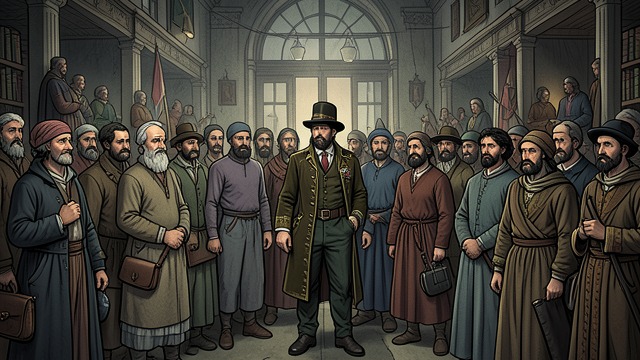
Essence as Explanation
Collective Labels
Categories such as Semite, Arab, and Oriental are used to explain diverse people through a common type.
History Compressed
Variation and political experience are subordinated to claims about enduring origins.
Unequal Comparison
The European is often made the unstated norm against which the type is measured.
Identity Under Political Pressure
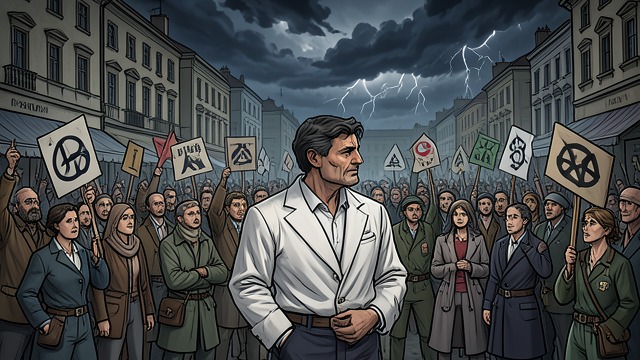
Identity Under Political Pressure
New Historical Conditions
Decolonization, nationalism, war, and social change challenge stable cultural descriptions.
Definitions Contested
Communities debate who belongs and how their traditions should be understood.
Urgent Consequences
Identity claims affect rights, education, violence, and foreign policy rather than remaining abstract ideas.
Said Rejects Essentialism

Said Rejects Essentialism
No True Orient Offered
Said explicitly declines to replace Orientalist images with a supposedly pure Oriental essence.
Representation Examined
The question becomes how identities are built, circulated, and used.
Reflexive Criticism
The same scrutiny must apply to one’s own community and intellectual commitments.
Hybrid History
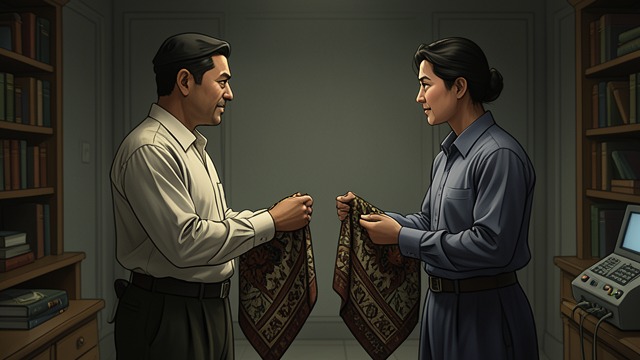
Hybrid History
Overlap and Exchange
Said emphasizes that cultures are heterogeneous and shaped through contact.
Against Sealed Civilizations
A fixed East–West division cannot account for shared histories and mixed identities.
A Political Opening
Recognizing construction and change makes dialogue more possible than permanent opposition.
From classical antiquity
Nineteenth century
Twentieth century
In the book’s conclusion
In the 1994 afterword
