
Sacy’s Scholarly Legacy
OrientalismThis thread follows how Silvestre de Sacy builds a teachable discipline whose tools and assumptions influence later Orientalists.
increasing Bearing strength in each event
 decreasing
Bearing strength in each eventdecreasingA Teacher’s Calling

A Teacher’s Calling
Language and Training
Silvestre de Sacy develops expertise in Oriental languages and becomes a major teacher in France.
Learning for Use
His work links scholarship to the preparation of interpreters and future specialists.
Founding Authority
His career gives Oriental studies a recognizable institutional center.
Knowledge in Extracts
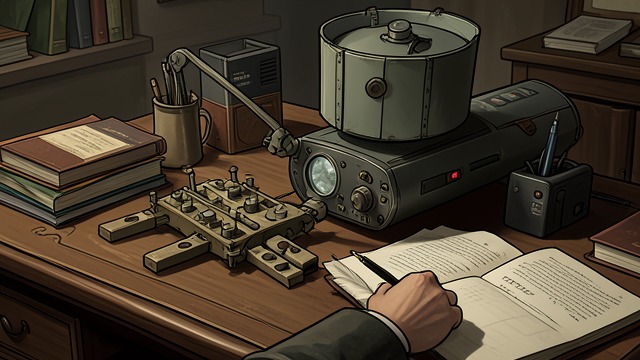
Knowledge in Extracts
Selected Materials
Sacy arranges texts into grammars and anthologies for European students.
The Chrestomathy Form
Fragments become teachable examples after editorial selection and explanation.
A Shaped Subject
Readers may mistake the resulting scholarly arrangement for the Orient itself.
The Classroom Tableau

The Classroom Tableau
Display and Instruction
Sacy presents specialized knowledge through orderly, pedagogical forms.
Teacher and Disciples
His style places the scholar between difficult source material and European learners.
Authority Through Mediation
The student comes to rely on the Orientalist’s choices to encounter the subject.
A Disciplinary Lineage
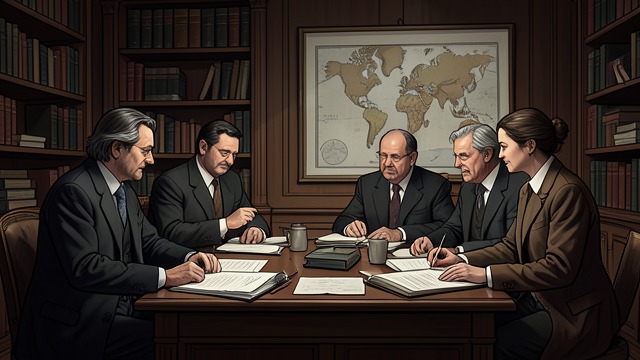
A Disciplinary Lineage
Students and Institutions
Sacy’s pupils and publications influence Oriental studies across European universities.
Repetition and Revision
Later scholars reuse his organizing methods while replacing or supplementing his materials.
A Shared Archive
The field gains continuity through citation, teaching, and common scholarly conventions.
The Founding Limits

The Founding Limits
Useful Knowledge
Sacy’s scholarship creates real tools for the study of language and texts.
Unequal Mediation
Its presentation still gives the European specialist exceptional authority to select and interpret Oriental material.
Legacy and Cost
His founding work enables later learning while helping establish the structures Said questions.
Late eighteenth century
From 1799 through the 1820s
Early nineteenth century
First half of the nineteenth century
By the middle of the nineteenth century
