
The Pilgrim’s Competing Visions
OrientalismThis thread compares European journeys to the Orient as different projects of scholarship, self-making, and imaginative possession.
increasing Bearing strength in each event
 decreasing
Bearing strength in each eventdecreasingA Prepared Journey
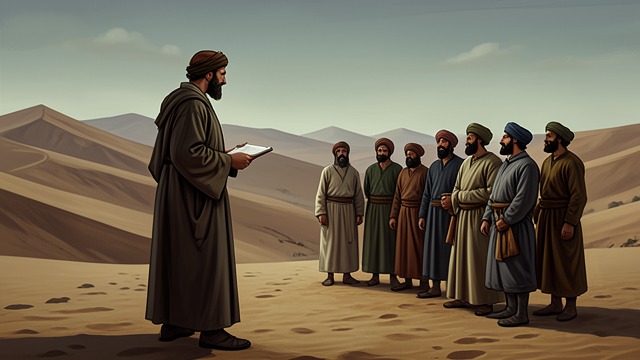
A Prepared Journey
The Orient Before Arrival
European travelers approach the region with literary, religious, and scholarly expectations.
Travel as Pilgrimage
The journey becomes a means to pursue private and cultural projects, not merely to observe a place.
A Constrained Encounter
Direct experience is repeatedly interpreted through prior representations.
Chateaubriand’s Restoration
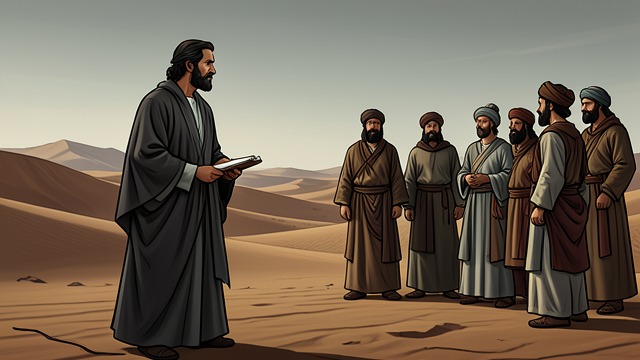
Chateaubriand’s Restoration
A Pilgrim’s Purpose
Chateaubriand travels through the Holy Land seeking religious and literary images.
The Landscape as Scripture
He reads the region through Biblical memory and European imagination.
Self at the Center
The account gives his own spiritual and literary renewal more weight than local historical experience.
Lamartine’s Political Vision
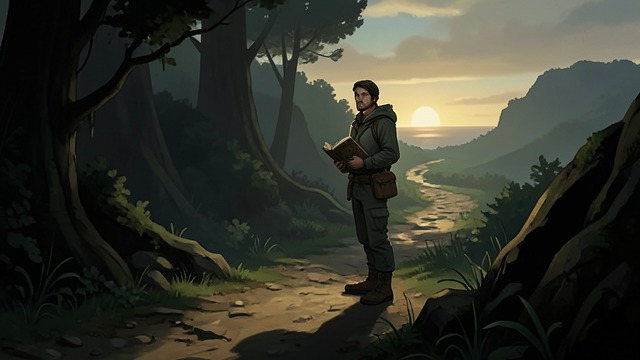
Lamartine’s Political Vision
A Dreamed Destination
Lamartine arrives in the Orient with expectations formed by prior literary and religious images.
From Travel to Plan
His narrative expands from personal pilgrimage into proposals for European authority over Oriental territories.
Possession as Resolution
The journey ends by treating foreign intervention as the future answer to political uncertainty.
Nerval’s Unfinished Quest
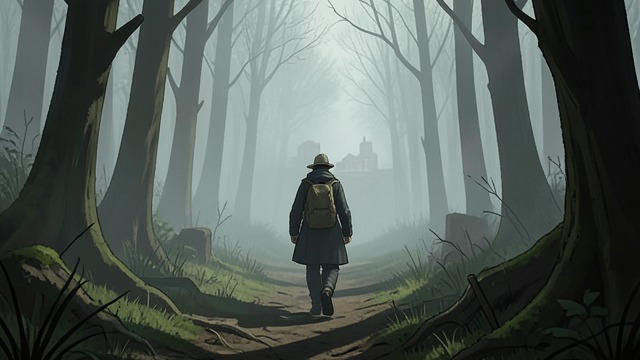
Nerval’s Unfinished Quest
Dream and Disappointment
Nerval searches for a personal and imaginative homeland in the Orient.
Unstable Narrative
His travel writing shifts among memory, episodes, and fantasy instead of closing into a firm account.
Return to the Archive
Borrowed descriptions reveal how even an unconventional journey remains dependent on prior scholarship.
Flaubert’s Aesthetic Encounter
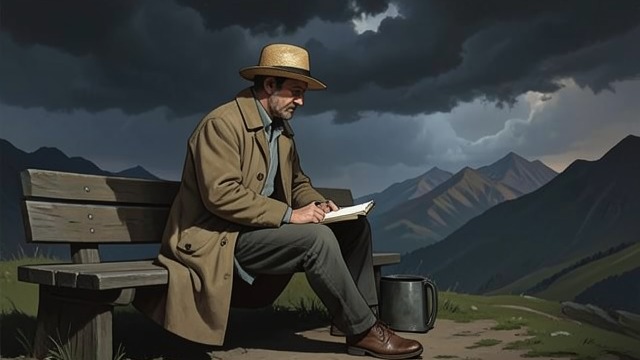
Flaubert’s Aesthetic Encounter
An Expectant Observer
Flaubert travels with extensive reading and a strong sense of the Orient as a source of artistic possibility.
Sensory Detail
His notes preserve vivid, often disturbing observations that feed his later literary work.
The Limits of Encounter
The journey can nourish art without overcoming the unequal gaze that turns people into material for European imagination.
Early nineteenth century
1805–1811
1833–1835
1842–1843
1849–1850
