
Shelley’s Ozymandias Reframed
OzymandiasThis thread follows Anderson’s literary allusion as it evolves from a clever name into a warning about the permanence of power and knowledge.
increasing Bearing strength in each event
 decreasing
Bearing strength in each eventdecreasingThe Empty Landscape
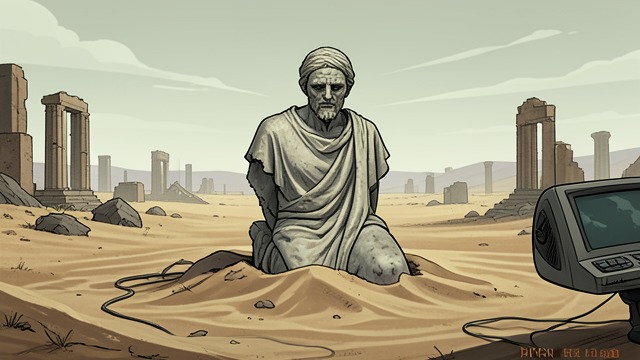
The Empty Landscape
A remembered poem
Anderson quotes Shelley’s description of endless level sands while driving across the dead planet.
A mood of disappearance
The line gives the team’s empty excavations a literary expression before the robot is found.
The Robot’s Irony
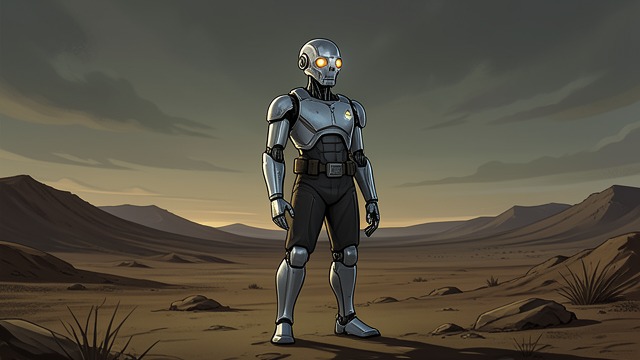
The Robot’s Irony
A name suggested
Anderson recognizes that a surviving guide speaking of vanished monuments resembles the poem’s ruined ruler.
The allusion sharpens
The robot’s continued speech makes the gap between its confident purpose and the empty setting immediately visible.
The Mighty Address
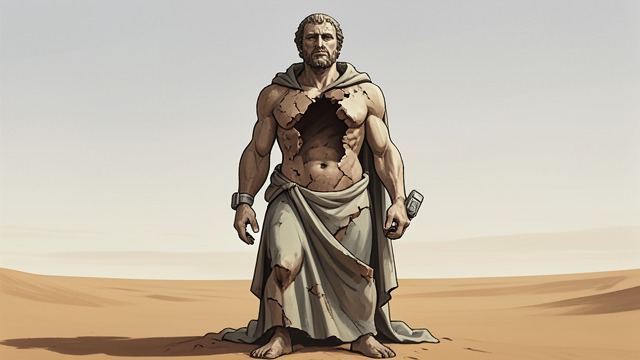
The Mighty Address
A boast without its works
The researchers connect Ozymandias with the challenge to powerful successors to look upon a ruler’s works.
Meaning reversed
The real landscape contains no surviving monuments to support the implied boast; the empty sand becomes the poem’s answer.
History Replaces the Boast
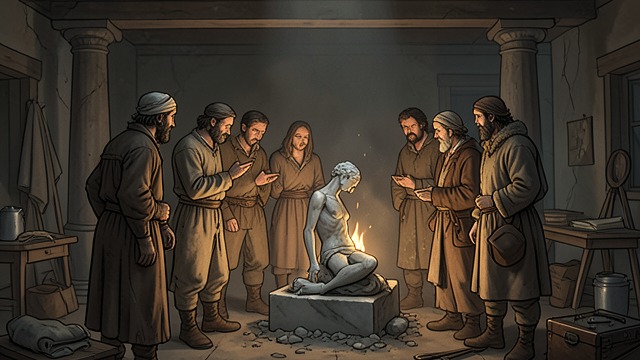
History Replaces the Boast
Cities restored in speech
The robot supplies details about the places and institutions erased from the landscape.
Memory complicates ruin
The poem’s image of complete disappearance is complicated by a surviving witness able to preserve the civilization’s story.
A New Despair
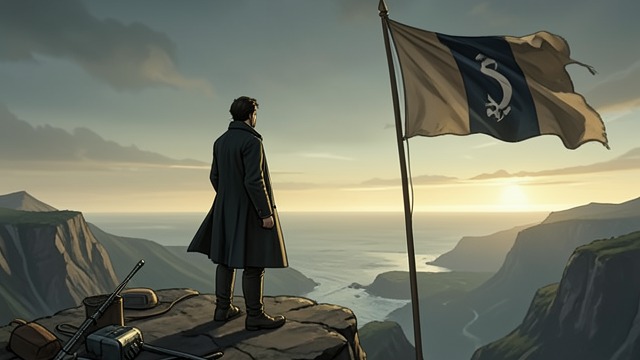
A New Despair
The allusion turns forward
Anderson recalls the poem while contemplating the weapons knowledge Earth is about to receive.
A warning renewed
The ancient boast becomes a warning to modern powers: inheriting a destroyed civilization’s works may inherit its catastrophe too.
During Anderson’s return journey at sunset
At the first sight of Ozymandias
During the team’s naming conversation
During Ozymandias’s historical narration
At the story’s closing reflection
