
The Cost of Strategic Competition
OzymandiasThis thread examines how Earth’s divided military rivalry frames the expedition’s choices and threatens to repeat the violence preserved in the archive.
increasing Bearing strength in each event
 decreasing
Bearing strength in each eventdecreasingA Divided Homeworld
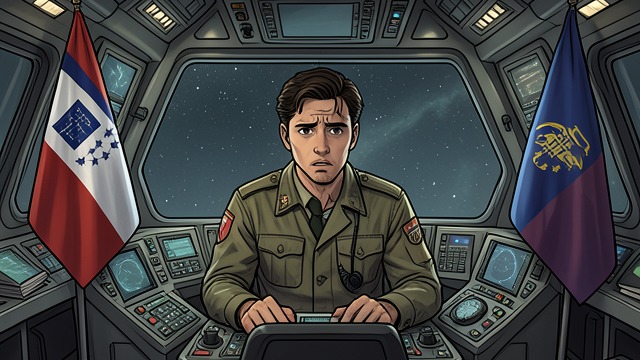
A Divided Homeworld
Unity remains absent
The crew describes Earth as politically divided despite centuries of space travel.
Exploration takes sides
The expedition operates for one national power, making the search for knowledge inseparable from strategic competition.
A Rival in the Background
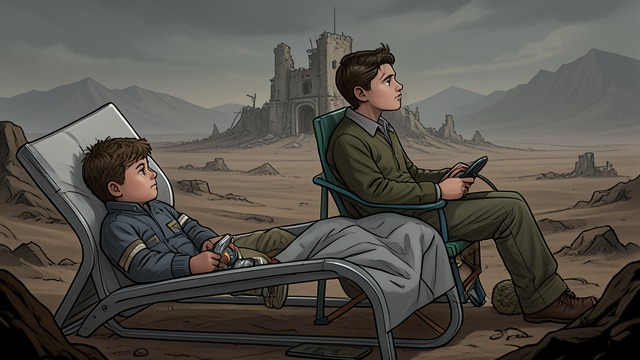
A Rival in the Background
The Other Hemisphere feared
The crew imagines a rival power returning to space and acquiring any useful discovery first.
Fear sets priorities
Even an ancient dead world is judged partly by whether its resources could shift the balance of power.
Military Results Expected
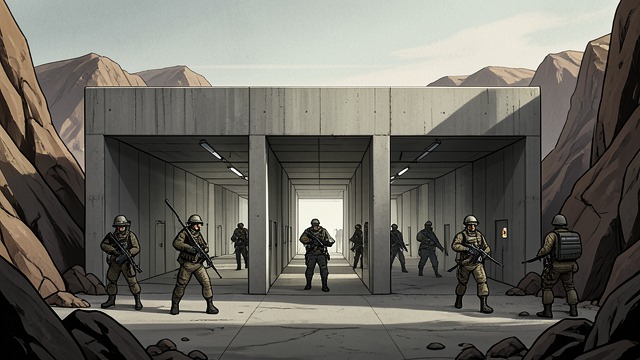
Military Results Expected
Funding defines success
The expedition’s military sponsors expect weapons and strategic materials rather than archaeological understanding.
Scientists marginalized
The scientists’ work is tolerated, but its value is treated as secondary until Ozymandias proves strategically useful.
An Ancient Advantage
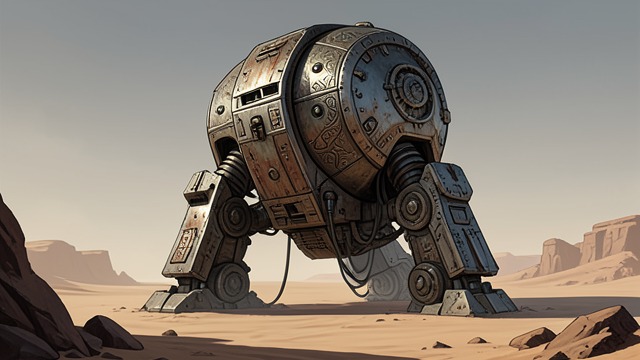
An Ancient Advantage
A new strategic asset
Ozymandias offers information from a civilization whose technological history lasted far longer than human spaceflight.
Rivalry reaches backward
The competition between modern powers now draws on knowledge produced by a civilization already destroyed by its own weapons.
Despair at the Inheritance
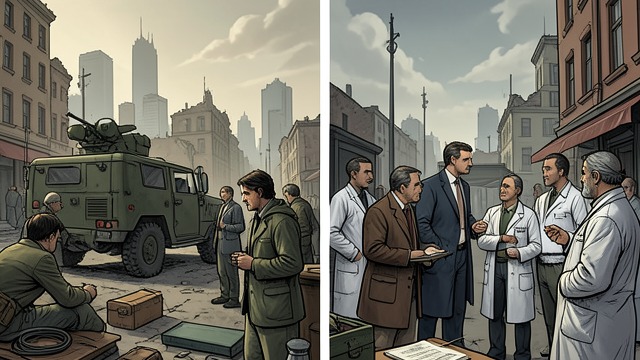
Despair at the Inheritance
A dangerous return
Ozymandias leaves the dead world for a politically divided Earth, where military scientists will study its memories.
No simple triumph
Anderson’s despair arises from the prospect that strategic advantage may deepen the very conflict that made the machine valuable.
Before the expedition’s launch
During the mission’s strategic planning
At the start of the Planet Four stop
When Mattern discovers the robot’s contents
As the crew departs for Earth
