
Goriot’s Devotion and Decline
Père GoriotThis thread follows Jean-Joachim Goriot from prosperous father to impoverished, abandoned old man.
increasing Bearing strength in each event
 decreasing
Bearing strength in each eventdecreasingA Successful Trade
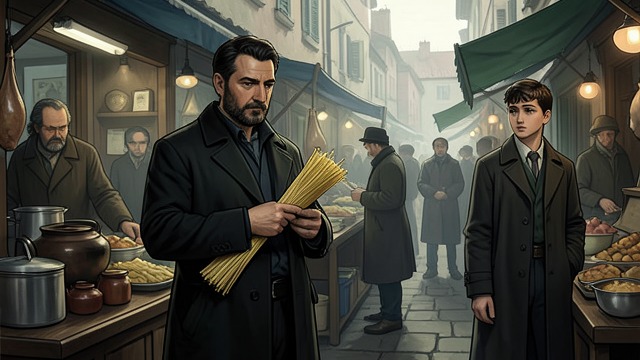
A Successful Trade
Work and opportunity
Jean-Joachim Goriot builds a vermicelli business through thrift, patience, and commercial skill.
A fortune redirected
His success gives him the means to support his daughters, a decision that will shape his later life.
His business acumen thrives within its narrow field; his family devotion will prove less guarded.
A Father’s Fortune
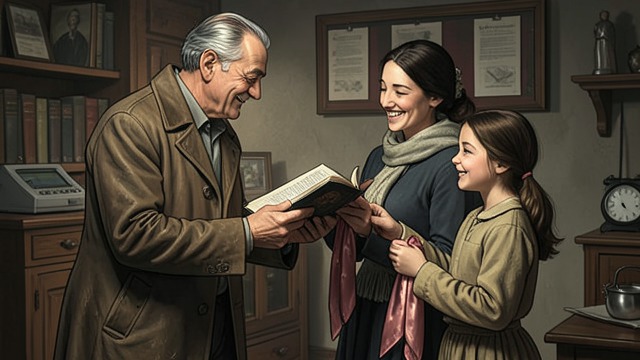
A Father’s Fortune
Giving without reserve
Jean-Joachim Goriot indulges Anastasie de Restaud and Delphine de Nucingen, providing education, comforts, and expensive wishes.
Affection as identity
He asks little in return beyond their love, making their happiness the center of his own.
What feels like generous care also leaves him without limits or safeguards.
Retirement and Exile
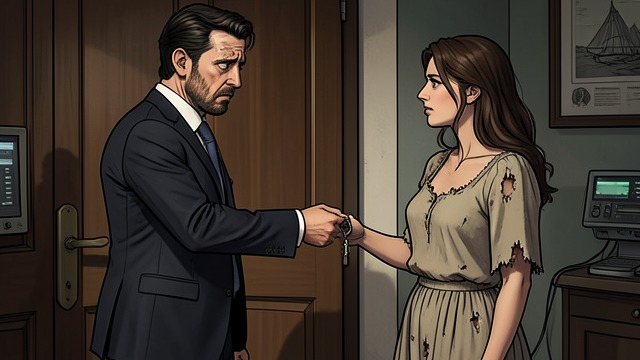
Retirement and Exile
A costly surrender
Jean-Joachim Goriot sells his business after his daughters and sons-in-law object to his continuing in trade.
A lonely address
Their households do not welcome him as a resident, and he retreats to Mme. Vauquer’s lodging house.
Retirement becomes the beginning of his social disappearance, not a peaceful reward.
The Rooms Grow Smaller
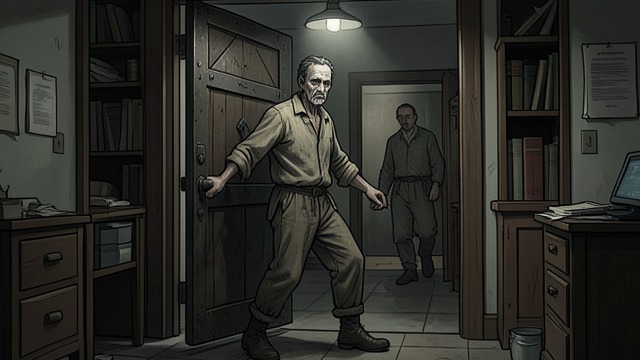
The Rooms Grow Smaller
Visible decline
Jean-Joachim Goriot moves to cheaper rooms, gives up comforts, and sells cherished possessions.
A false explanation
The other lodgers interpret his poverty as evidence of vice or stupidity, not paternal sacrifice.
His changing appearance makes the cost of his devotion visible while concealing its cause.
Death without His Daughters
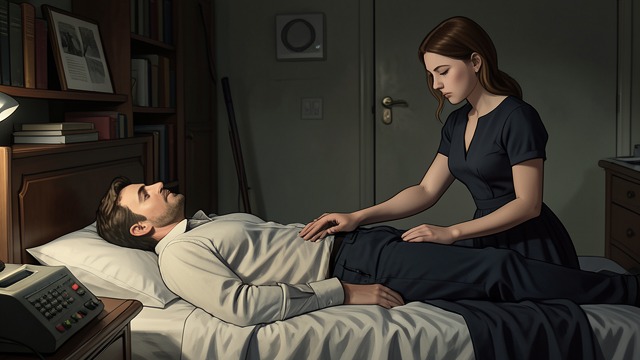
Death without His Daughters
A last summons
As Jean-Joachim Goriot collapses, he repeatedly asks to see Anastasie de Restaud and Delphine de Nucingen.
An unanswered hope
They arrive too late to comfort him; he dies with only the students near his bed.
His final blessing preserves his love, even as his death exposes its devastating imbalance.
Before the French Revolution
During his daughters’ childhood
After both daughters marry
From 1813 to 1819
Near the novel’s ending
