
Piranesi and the Dead
PiranesiThis flow traces Piranesi’s personal ethic of tending the dead and how it persists through discovery, danger, and the Other’s death.
increasing Bearing strength in each event
 decreasing
Bearing strength in each eventdecreasingCounting the Remains
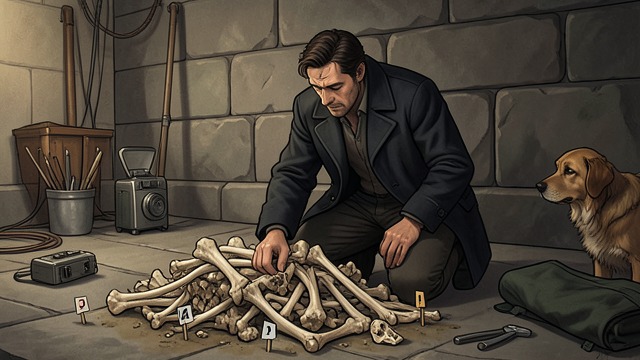
A Population of the Dead
Evidence and names
Piranesi counts the skeletons he has found and distinguishes them by where and how their bones lie. The dead become a record of earlier lives in the House.
Limits of certainty
He knows little about most of them and carefully marks what is only a hypothesis. His attention to evidence keeps his reverence from becoming mere invention.
The Folded-Up Child
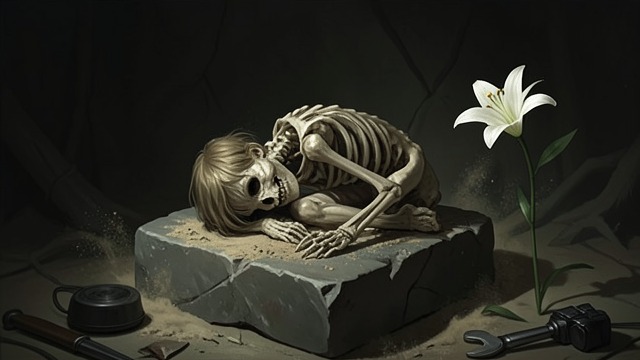
A Child Remembered
A place in his world
Piranesi finds the child’s skeleton curled on a plinth and imagines that the House had intended her to be his wife. He knows this is speculation, but it gives shape to his loneliness.
A daily bond
He brings her food, water, and lilies, and tells her what he has seen. The ritual gives the dead company and gives Piranesi a relationship beyond the living Other.
The Other’s Remains
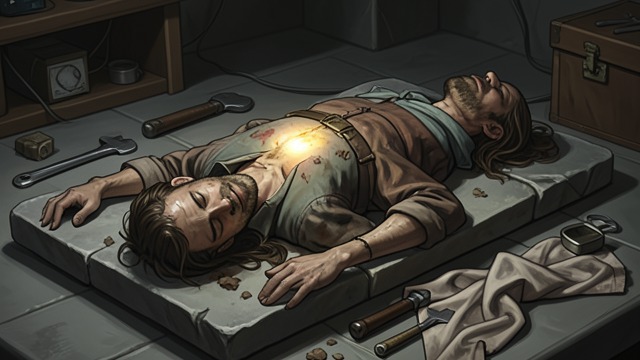
Care After Betrayal
Finding the body
Piranesi finds Valentine Ketterley’s battered remains and lays them out carefully. He speaks to the body gently, promising that its damaged condition is temporary.
An ethic beyond forgiveness
He does not excuse the Other’s deception, but neither does he deny him the care given to every dead person. His compassion survives anger without erasing the harm.
A Place Among Colleagues
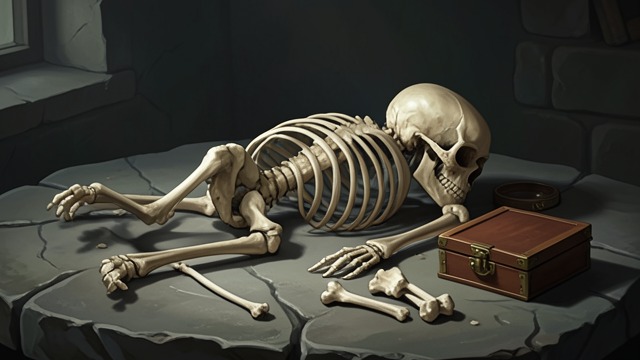
Returning Bones to Order
A planned resting place
Piranesi intends to clean the Other’s bones and place them beside the Biscuit-Box Man. He names other possible companions, including Stanley Ovenden and Sylvia D’Agostino.
History made intimate
The House’s unknown dead are no longer only entries in a population count. They become people whose remains and connections Piranesi can honor, even when their histories remain incomplete.
A Different Kind of Rescue
James Ritter Returns
A remembered refuge
Matthew finds James Ritter living in the outside world and brings him back to the labyrinth. Ritter recognizes the place where he once slept and responds with happiness.
Care with boundaries
Matthew will not let Ritter remain permanently, because Ritter cannot feed himself there. The return offers comfort without repeating the neglect that made captivity so dangerous.
Several years before the main events
During the period when Piranesi names the dead
The day after the flood
Several months after the flood, in the 2018 journal entries
After Matthew returns to the outside world
