
James Ritter’s Return to the Labyrinth
PiranesiThis flow traces James Ritter’s captivity, his persistent memories of the House, and the later return that offers him recognition but not permanent escape from ordinary life.
increasing Bearing strength in each event
 decreasing
Bearing strength in each eventdecreasingA Life Before Captivity

A Vulnerable Man
A precarious existence
James Ritter works in several occupations and experiences prolonged periods of mental illness and homelessness. His vulnerability makes the later account of his disappearance difficult to reconstruct.
A connection to Arne-Sayles
He becomes associated with Laurence Arne-Sayles and eventually enters a situation whose duration and circumstances remain unclear. His story exposes the danger of being controlled by someone with greater power.
The Hidden Room
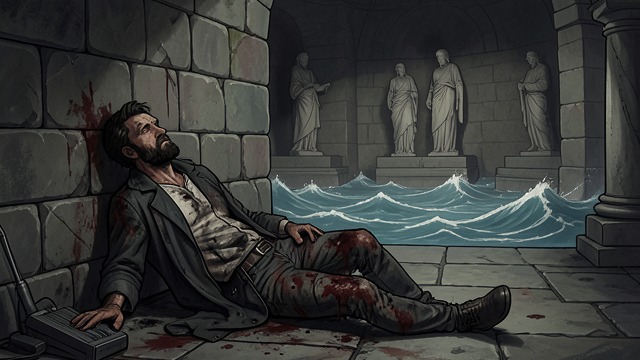
Imprisoned Behind a Wall
A concealed life
Arne-Sayles keeps Ritter in a hidden room behind a false wall. Ritter is found in severe physical distress and unable to offer a coherent account of his captivity.
A world in his testimony
He insists that he spent much of the time in a house of statues and seas. The account seems delusional to others, yet resembles the House described elsewhere.
The Minotaur Refuge
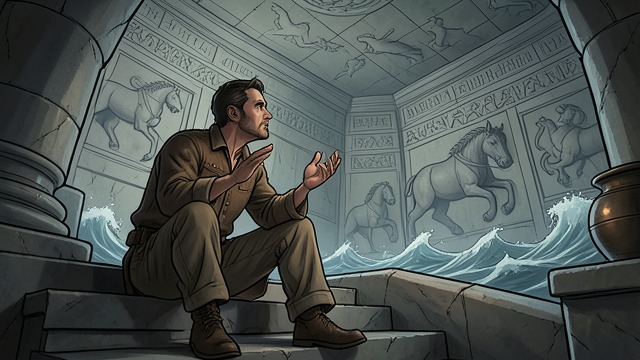
A Memory That Persists
The place he names
Ritter speaks of minotaurs, tides, and sleeping beneath a great staircase. Treatment and the passage of time do not remove his conviction that the House was real.
A parallel world
His description matches details of the labyrinth that were not publicly established by his account. The resemblance deepens the mystery without proving exactly what he experienced.
The Outside Routine

A Life Rebuilt
Stability in a vast building
Ritter works as a caretaker in Manchester Town Hall and appears calmer, with years of sobriety behind him. The building’s rooms, statues, and staircases remind him of the House.
Comfort with a cost
The resemblance helps him feel settled, but his continued longing for the labyrinth shows that recovery has not erased the experience. The refuge remains part of his inner life.
A Visit That Ends
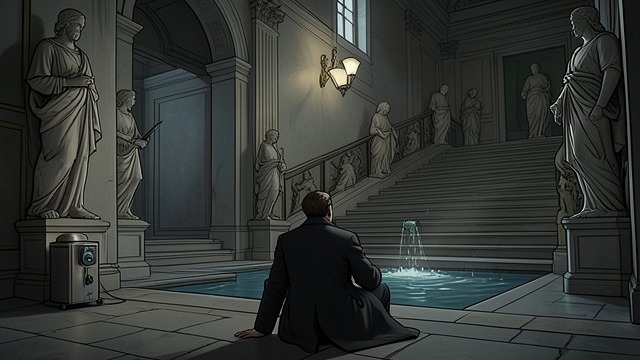
Back Beneath the Staircase
Recognition
Matthew takes Ritter to the First Vestibule. Ritter cries with happiness and sits where he once slept, listening to the tides.
A responsible refusal
Ritter begs to stay, but Matthew takes him back because he cannot safely feed himself there. The visit honors the memory without making another person dependent on a fragile rescue.
Before his imprisonment, during the 1990s
Before police discover him in April 1997
During Ritter’s hospital treatment and later interviews
By 2010, while working at Manchester Town Hall
After Matthew’s return to the outside world, in late 2018
