
The Ethics of Private Archives
PossessionThe novel’s competing scholars, editors, and heirs confront the tension between preserving evidence and respecting the privacy of the dead.
increasing Bearing strength in each event
 decreasing
Bearing strength in each eventdecreasingThe Dead as Evidence
Scholarship and Material Traces
A Reader’s Pleasure
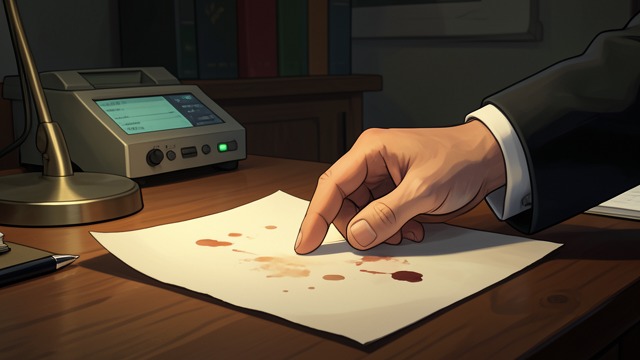
Roland values the words Ash left behind, but finds himself drawn to paper touched by the poet’s hand. The physical archive makes intellectual history feel bodily and immediate.
A Warning in the Frame
The novel introduces the difference between reading a published poem and taking a private letter. The archive offers knowledge, but it also invites forms of contact the writers never consented to.
The Stolen Drafts
A Reader Becomes a Thief
Private Desire
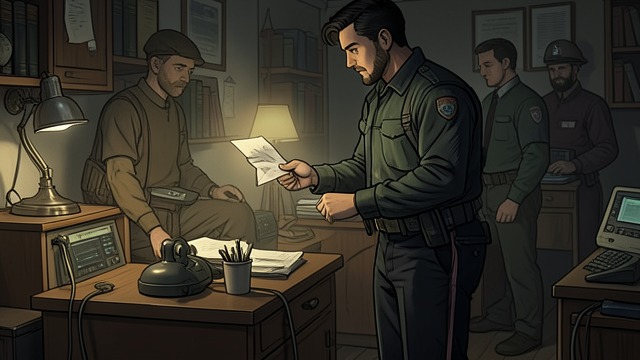
Roland takes Ash’s draft letters because he cannot bear to return them unread. He tells himself that the documents are not truly anyone’s property while ignoring the institution that safeguards them.
Ethical Ambiguity
His act is both an infringement and the start of a major investigation. The novel refuses to make discovery morally pure simply because the result is valuable.
Ellen’s Editorial Silence
A Record That Withholds
Protecting Intimacy
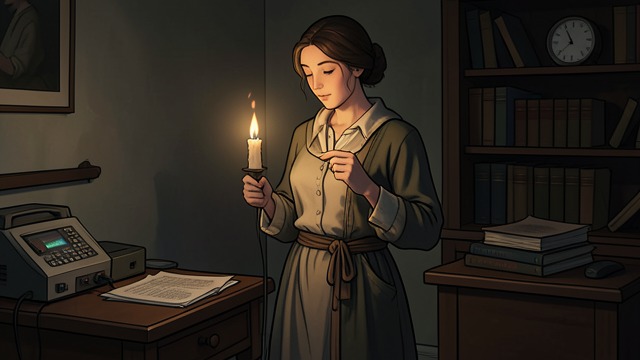
Ellen burns some papers, buries others, and writes a journal that later editors struggle to interpret. She understands how easily intimate writing can be converted into public entertainment.
The Editor’s Burden
Beatrice’s long work on Ellen makes her ask whether scholarly attention can preserve a person without exposing or distorting her. The journal’s omissions become part of its meaning.
Access and Ownership
Competing Obligations
Institutional Claims
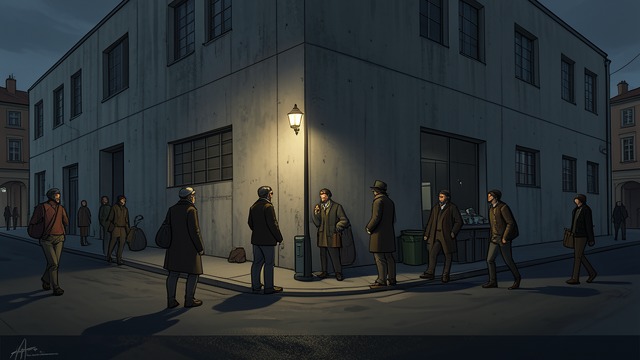
Blackadder argues for British custody; Cropper promises preservation and worldwide reproduction; Maud has a possible family inheritance. Each claim mixes care for scholarship with personal or institutional interest.
No Simple Solution
The physical letters, copyrights, and the right to edit them may belong to different people. The novel makes responsible access a practical and ethical question rather than an obvious moral conclusion.
The Letters’ Final Custody
Knowledge With Consent in Question
Recovery
The buried correspondence becomes readable only through Cropper’s unlawful excavation. The group now has to decide whether discovery justifies keeping the documents exposed to examination.
A Continuing Obligation
The letters must be preserved and eventually edited, but their private character cannot be undone. The ending leaves scholarly access necessary and ethically uneasy.
At the novel’s opening
September 1986
1889 and the later editing of her journal
After the letters are publicly announced
After the grave-box is opened
