
Myth, History, and Imagination
PossessionThe novel repeatedly tests how myth and poetry make historical lives intelligible without replacing the uncertain evidence of what actually happened.
increasing Bearing strength in each event
 decreasing
Bearing strength in each eventdecreasingVico’s New Science
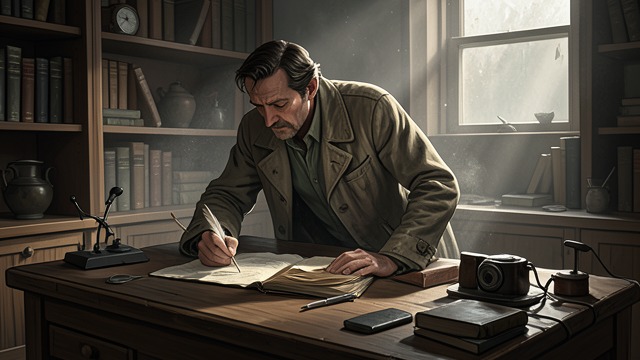
Myth as Historical Evidence
Ash’s Notes
Roland finds Ash’s reflections on Vico, whose method searches for historical knowledge inside the metaphors of myth. The notes connect Proserpina, grain, gold, and the beginnings of community.
A Method for the Novel
The discovery offers a model for reading repeated images across poems and letters. It also raises a danger: interpretation may reveal a pattern or invent one.
Melusina’s Changing Form
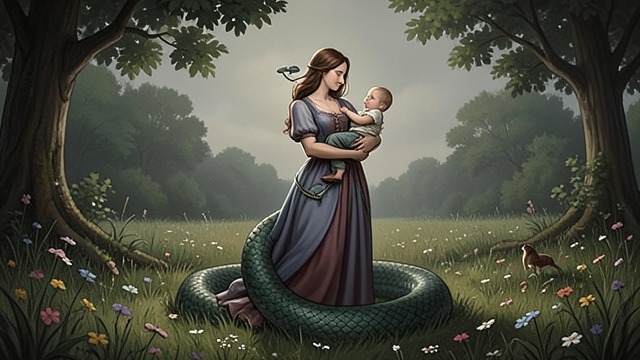
Fairy and Historian
A Multiple Figure
Melusina appears as a builder, mother, serpent, and supernatural being. LaMotte’s poem holds together domestic labor and cosmic violence without resolving them into a single allegory.
Reinterpretation
Maud’s feminist reading challenges earlier critics who dismissed the poem. Roland’s emerging evidence adds a personal history to the poem’s landscapes without cancelling its mythic power.
The Yorkshire Landscape
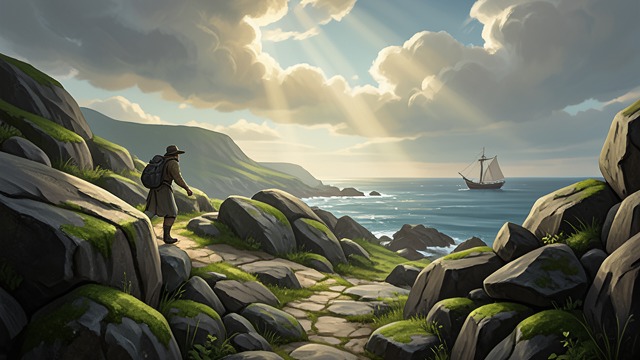
Place as Evidence
Material Detail
Ash writes about fossils, water, moors, and marine organisms; LaMotte’s poem uses comparable local textures and vocabulary. The landscape may record their shared presence more persuasively than a direct statement.
Limits of Inference
The match is compelling but not a signed itinerary. Literary interpretation helps researchers ask better questions while leaving room for coincidence and uncertainty.
Sabine’s Layered Account
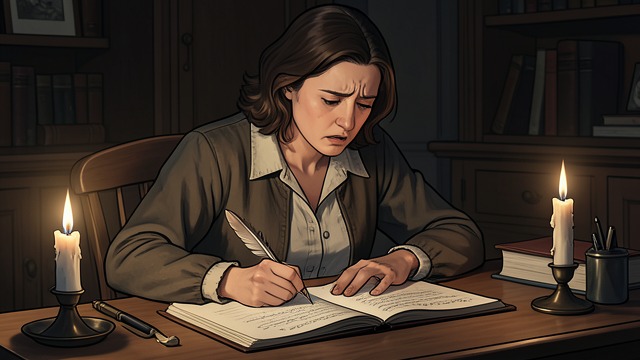
A Journal Inside the Mystery
Observation and Guesswork
Sabine records what she sees and what she fears about Christabel. Her voice separates fact from speculation imperfectly but honestly, revealing how a witness’s feelings shape a record.
History as Partial Narrative
The journal illuminates the lost year while preserving its gaps. Its form reinforces the idea that no archive gives a complete, neutral account of another person’s life.
The Final Letter and the Mythic Pattern
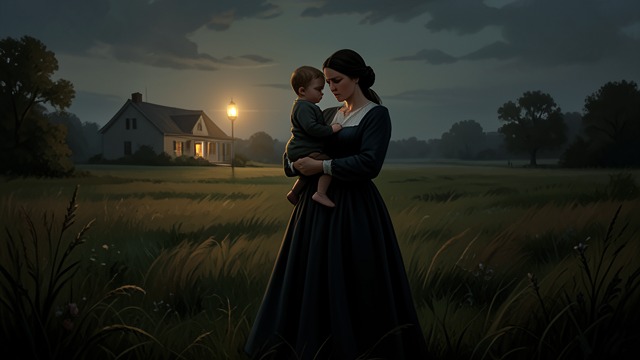
A Real Child Behind the Myth
Revelation
LaMotte’s letter identifies Maia as the child born from the affair and describes the decision to conceal her parentage. A story that seemed to belong to romance and myth becomes a documented family history.
No Complete Closure
The letter answers the central question but cannot undo the years of separation or give Ash a chance to respond. Historical knowledge clarifies the past while leaving its emotional consequences intact.
At the beginning of the 1986 narrative
During the reading of LaMotte’s epic
During the 1859 journey and its later reconstruction
When Maud and Roland read the Brittany journal
At the novel’s climax
