
Time, Memory, and the Unfinished Past
PossessionLetters, diaries, objects, and bodily memories make the past present while demonstrating that no recovered history can restore what time has taken.
increasing Bearing strength in each event
 decreasing
Bearing strength in each eventdecreasingLetters Without Closure
A Narrative in Progress
Written for Another
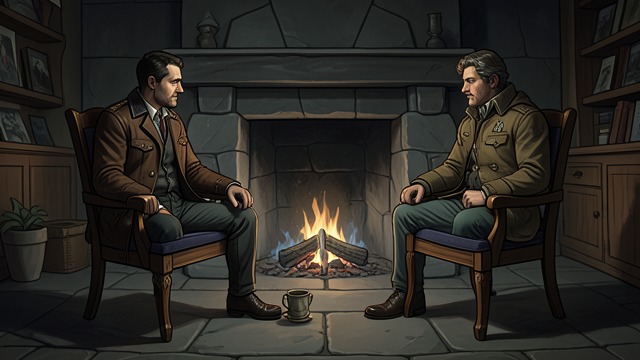
Ash’s letters to LaMotte respond to a reader who can answer, resist, and change the exchange. Their direction was unknown to the writers as each page was formed.
The Present Reader’s Limit
Roland recognizes that he cannot enter the correspondence as its intended reader. The letters bring the past near precisely by showing that its original present is gone.
The Lost Year
Absence as History
Missing Records
LaMotte’s life around Blanche’s death is undocumented in the known archive. Letters, poems, testimony, and Sabine’s diary offer fragments rather than a continuous account.
The Work of Reconstruction
Maud and Roland build hypotheses from repeated details but cannot recover every decision. The gap itself becomes historically meaningful, showing how women’s lives disappear from official records.
Objects Carrying Time
Hair, Jet, and Memory
Material Remains
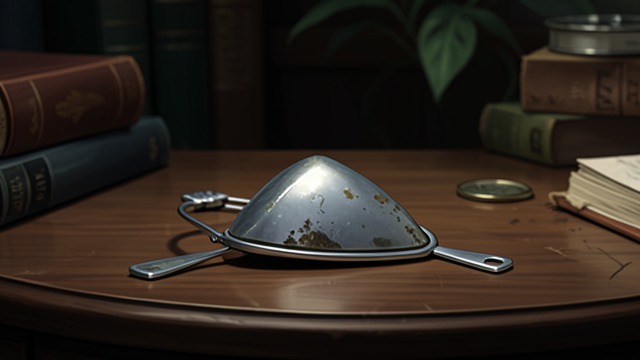
The jet brooch and hair jewelry make loss physically present. Objects survive changes in ownership and meaning, carrying traces that their current holders may not understand.
Interpretation Changes
Maud’s mermaid brooch looks different when set among Whitby’s mourning ornaments. The past is not contained in a relic alone; it emerges through the questions and histories brought to it.
Ellen’s Memory of the Marriage
Memory as Image
A Private Past
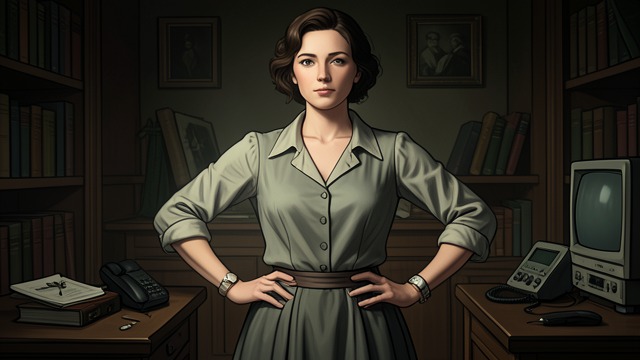
Ellen remembers her honeymoon through bodily images rather than a spoken account. Her memory changes the apparent story of a long, loving marriage without turning that marriage into a simple deception.
Knowledge Withheld
She chooses not to read LaMotte’s sealed letter. Her refusal becomes part of the history that later generations must reconstruct, not a gap that can be neatly repaired.
The Grandson’s Brief Visit

A Memory That Fades
An Unmarked Encounter
Ash meets Maia, gives her a flower crown, and receives a lock of her hair. Neither names the kinship that binds them.
Time’s Asymmetry
Ash remembers the meeting vividly, while Maia gradually forgets it. A small encounter becomes a durable archive for him and a nearly lost childhood moment for her.
During Roland and Maud’s first reading
1860, reconstructed from scattered evidence
During the Whitby visit
The night of her journal entry in 1889
1868, in the postscript
