
The Archive as a Detective Plot
PossessionLiterary scholars become detectives as they combine scraps of writing, repeated images, and inherited objects to reconstruct a concealed history.
increasing Bearing strength in each event
 decreasing
Bearing strength in each eventdecreasingA Book Opens the Case
The First Clue
A Concealed Cache
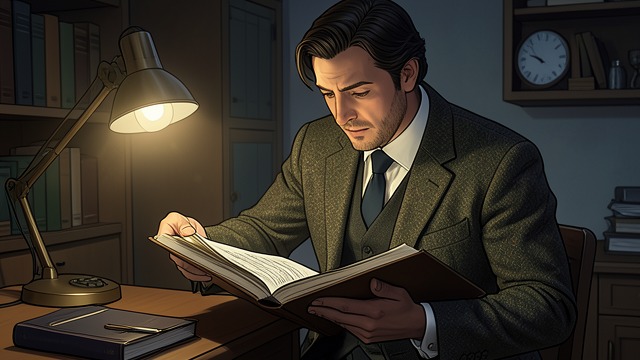
Roland finds Ash’s notes and unfinished letters inside the Vico volume. The discovery supplies a mystery before it supplies a clear question: who was the intended correspondent?
A Detective’s Method
Roland searches diaries, indexes, and literary references. His research turns scholarship into an inquiry driven by clues, while the stolen originals compromise his detective role.
A Name in Robinson’s Diary
Identifying the Woman
An Archive Search
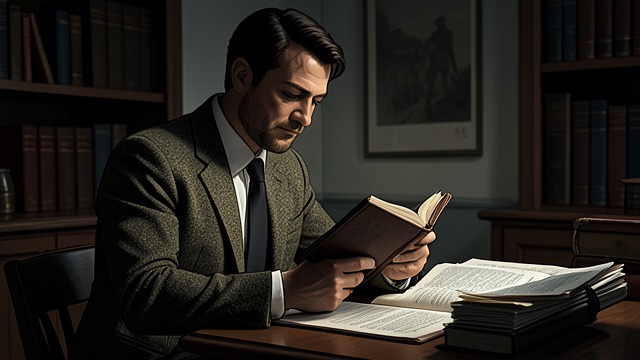
Roland reads Crabb Robinson’s diary and finds the breakfast party that included Christabel LaMotte. The record provides a likely point of origin for the letters.
A New Witness
The diary is useful but partial, and Blanche’s account later contradicts aspects of it. The case advances through imperfect testimony rather than a single authoritative source.
A Poem Points to a Hiding Place
The Doll’s Secret
Close Reading
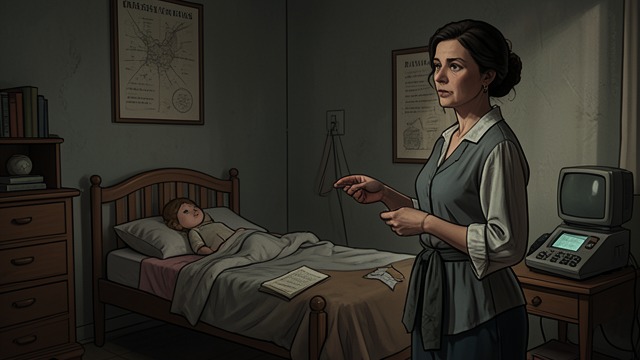
Maud recalls Christabel’s poem about a doll keeping secrets and applies it to the dolls’ bed in the poet’s room. The poem becomes a practical clue rather than merely an object of interpretation.
A Search Succeeds
The hidden letters are found beneath the miniature bedding. The detective plot rewards attention to language while showing that a clue can work only when connected to physical knowledge of place.
Pattern Matching in Yorkshire

Landscape as Evidence
Interlocking Details
Roland and Maud compare Ash’s Yorkshire letters with Melusina, finding repeated words, water imagery, and descriptions of local terrain. Each correspondence increases the plausibility that LaMotte traveled with Ash.
The Limits of the Case
The pattern never becomes a direct eyewitness record. Their method depends on accumulated correspondences, inviting readers to consider how much evidence is enough.
The Final Piece of Evidence
The Case Reaches the Family
A Letter and Photograph
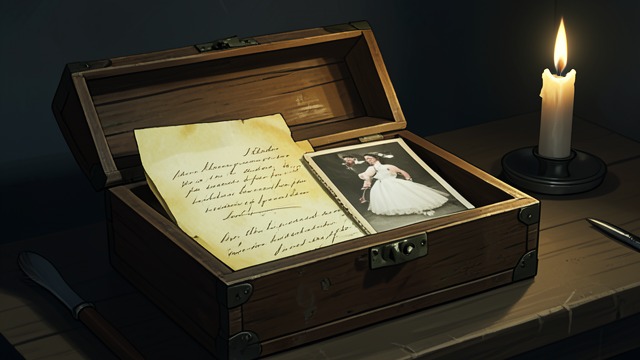
The box contains LaMotte’s letter and a photograph of Maia’s wedding. Together they solve the mystery of the child and connect the literary investigation to Maud’s own descent.
A Human Ending
The evidence completes the detective plot but cannot restore the lost relationships. The solution changes the investigators as much as it answers their questions.
September 1986
The day after the first discovery
At Seal Court in autumn 1986
During the spring research trip
After the grave is opened
