
The Novel’s Shifting Readers
PossessionThe story repeatedly changes the reader’s position, moving from Roland’s private discovery to a circle of interpreters and finally to an open, shared text.
increasing Bearing strength in each event
 decreasing
Bearing strength in each eventdecreasingRoland Reads Alone
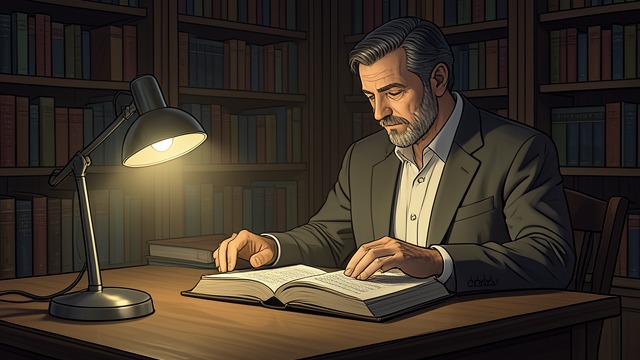
A Private Encounter
The Library Table
Roland reads Ash’s notes alone in the London Library and experiences scholarship as intimate contact with a dead mind. His knowledge feels personal before it becomes shared.
A Reader’s Illusion
The stolen letters reveal that Ash was writing for LaMotte, not for a future critic. Roland’s first reading is therefore both a genuine encounter and a mistaken claim to special access.
A Reader Writes Back
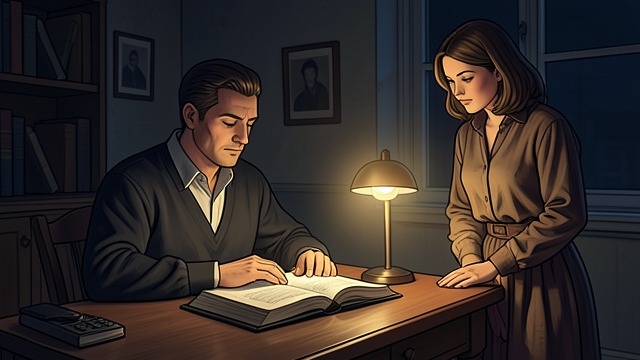
The Intended Audience
Responsive Reading
LaMotte reads Ash closely and answers his poems with her own questions and interpretations. Her response changes what Ash writes next, making reading part of the correspondence’s creative process.
A Reciprocal Relation
The letters show that a poem’s life may depend on a reader who understands and resists it. Their exchange complicates the idea that authorship belongs to one isolated mind.
Scholars Read Against Each Other
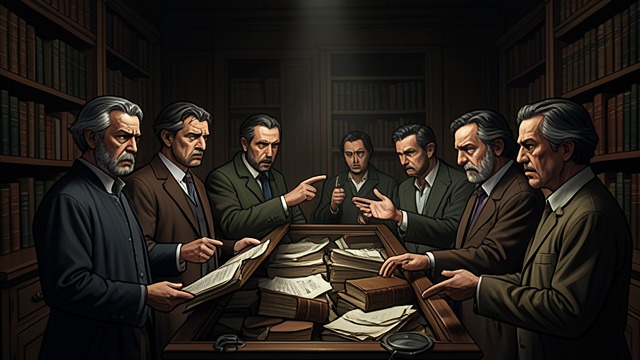
Multiple Critical Lenses
Different Methods
Maud, Roland, Beatrice, Leonora, Blackadder, and Cropper approach the documents with different disciplinary and personal interests. Each reading reveals some features and obscures others.
Interpretation as Conflict
The novel does not give any scholar complete mastery. Their disagreements make reading an active, social process shaped by gender, institutions, desire, and ownership.
The Reading Circle
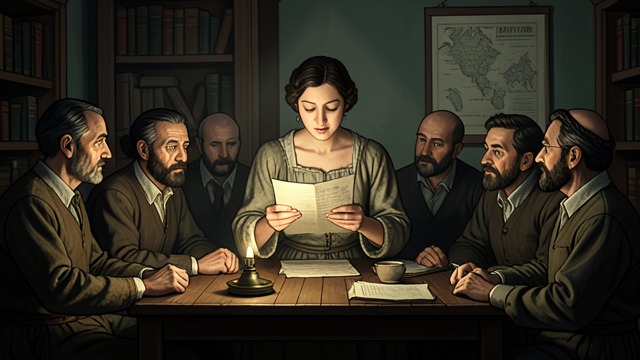
A Shared Text
The Letter Read Aloud
Maud reads LaMotte’s final letter to the assembled scholars. The private message becomes public through a collective act of listening, not through one researcher’s secret possession.
A Changed Audience
The group must hear the letter as evidence, confession, and literary writing at once. No listener can return to an earlier interpretation unchanged.
The Reader Becomes a Writer

Reading Leads Beyond Itself
A New Response
Roland rereads Ash and recognizes the patterns in his own lists of words. Reading no longer means only recovering another person’s intention; it begins to generate new work.
A Continuing Conversation
The novel ends with language passing between writers and readers without becoming anyone’s exclusive property. The next poem may answer Ash while remaining Roland’s own.
At the opening
During Ash and LaMotte’s correspondence
During the joint archive work
At the opening of the grave box
The night Roland returns to Putney
