
From Seclusion to Shared Life
PossessionAcross Bethany, Kernemet, and the contemporary relationships, the novel asks whether a protected private life can coexist with care, art, and intimacy.
increasing Bearing strength in each event
 decreasing
Bearing strength in each eventdecreasingThe Bethany Ideal
Two Women’s Household
Shared Independence
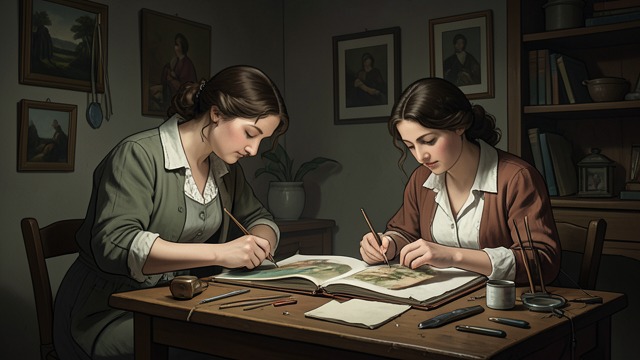
Christabel and Blanche imagine a life organized around mutual labor and art rather than marriage. Their home is intended to give them room to make work and sustain one another.
An Ideal Under Strain
The arrangement is emotionally meaningful but materially precarious. It depends on shared trust, and therefore becomes vulnerable when one woman’s private life changes without the other’s knowledge.
Sanctuary at Kernemet
A Temporary Refuge
Welcome
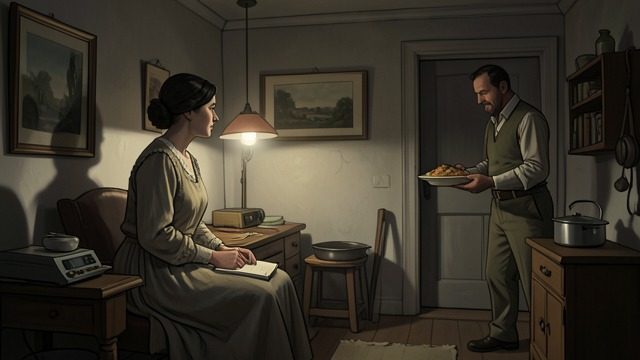
Raoul welcomes Christabel into Kernemet without demanding an explanation. Sabine hopes that the visitor will become a friend, though she initially feels displaced by the attention her father gives her.
Care Without Access
The household offers food, warmth, and protection, but Christabel keeps the reason for her need private. Their hospitality is generous precisely because it does not guarantee emotional closeness.
Maud’s Private Rooms
A Fortress of Order
Protected Space
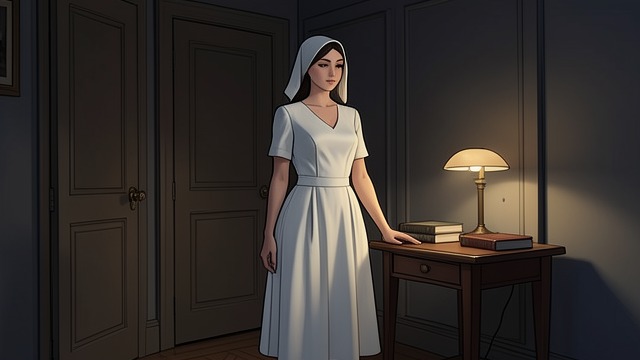
Maud’s carefully arranged rooms and covered hair express a wish to control how others enter her life. She can work with confidence inside these boundaries.
A Guest Admitted
She invites Roland to stay after learning of his limited means. Practical kindness becomes an opening toward trust, though she continues to manage the terms of their closeness.
A Brittany Holiday Together

Companionship Without Definition
Shared Days
Maud and Roland travel, read, eat, and explore Brittany together. They speak as a “we” but avoid deciding whether they are lovers.
A Chosen Ambiguity
Their quiet contact lets each person retain a sense of separate identity. Yet the silence also creates fear that the connection may vanish as suddenly as it began.
A Shared Bed by Choice
A New Form of Home
Tender Negotiation
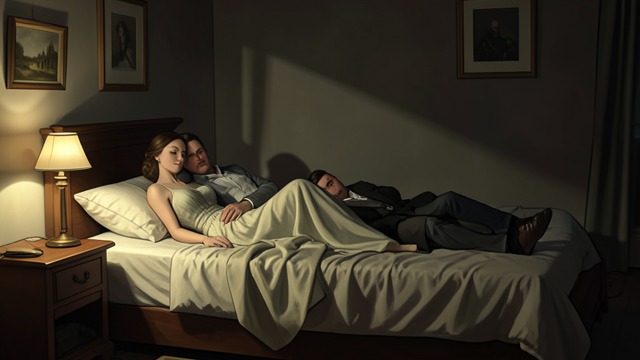
Maud and Roland discuss her fear of possession and his lack of security. They enter a shared bed only after acknowledging that love does not settle every practical or emotional question.
An Open Future
Their intimacy offers a home-like moment without demanding that Maud surrender her work or Roland abandon his new possibilities. The relationship ends as a beginning, not a completed contract.
May 1858
Autumn 1859
During Roland’s first visit to Lincoln
During the three-week stay in Brittany
After the final letter is read
