
Nature’s Violence and Renewal
PossessionThe novel’s weather and landscapes resist becoming mere backdrops, repeatedly exposing human vulnerability and the possibility of renewal after damage.
increasing Bearing strength in each event
 decreasing
Bearing strength in each eventdecreasingThe Storm That Brings Christabel
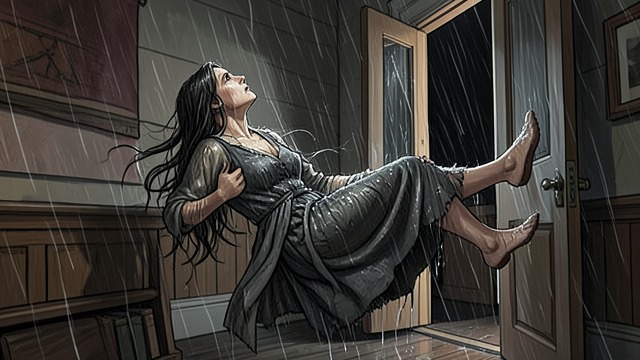
Weather as Threshold
Arrival at Kernemet
Christabel arrives through wind and rain, physically carried into the household by the storm. The weather makes her entrance feel like a crossing from one life into another.
Nature and Story
The storm is both literal danger and fairy-tale atmosphere. The novel keeps these registers together without claiming that the weather is caused by supernatural forces.
The Yorkshire Elements
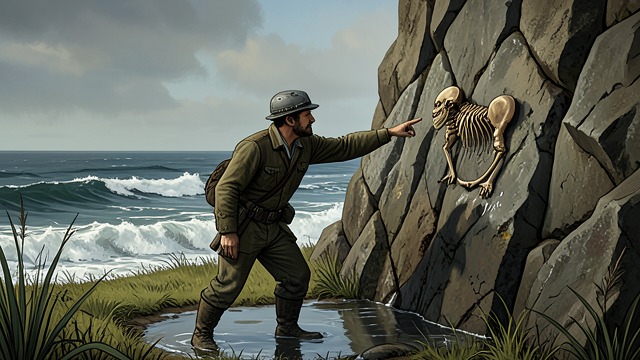
Water, Stone, and Life
Ash’s Observation
Ash studies the coast, cliffs, fossils, and pools, describing natural forces as processes that shape the world over immense time. His scientific interests make landscape active rather than decorative.
A Shared Environment
Maud and Roland later follow these routes and feel their own bodies affected by weather, distance, and terrain. The landscape connects past and present without simply explaining them.
The Brittany Sea
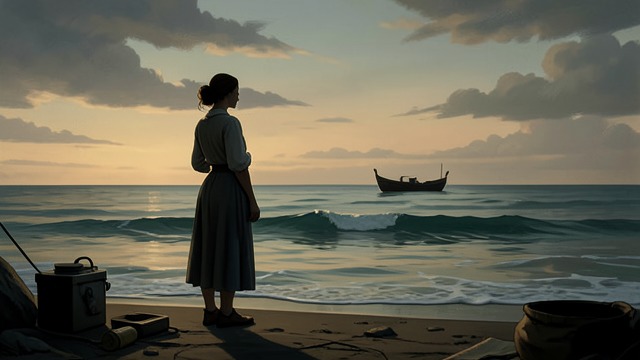
A Place of Passage
Coastal Myth
Maud and Roland visit the Baie des Trépassés, where names, currents, and stories of the dead converge. A calm sea appears benign while its history and geography suggest danger.
Meaning and Materiality
The place matters partly because of its name, yet its tides and currents are real. The novel refuses to separate landscape from the stories people use to inhabit it.
The Hodershall Storm
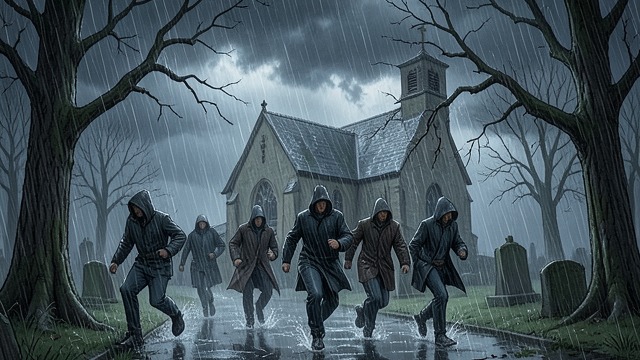
Nature Interrupts Human Plans
The Cemetery
Cropper’s excavation coincides with a violent storm that tears through the churchyard. Trees split, tiles fly, and the men lose control of their intended secrecy.
A Force Beyond Ownership
The storm appears almost to defend the dead but remains unexplained. Its force exposes the limits of human schemes and turns the archive’s recovery into a communal emergency.
A Fresh Smell After Destruction

Renewal Without Erasure
The Aftermath
Broken trees, torn leaves, and exposed sap fill the morning air. The destruction is undeniable, but the smell also seems fresh and hopeful.
Change as Continuity
The novel ends its central relationship on a similar note: damage and new life coexist. Renewal does not restore what was lost; it creates conditions for a different beginning.
October 1859
June 1859
During the research retreat
October 15, near the climax
The morning after the storm
