
The Unresolved Fate of Blanche
PossessionBlanche’s death remains partly unknowable, but later documents transform it from an apparent private breakdown into a collision of poverty, ideals, and concealed history.
increasing Bearing strength in each event
 decreasing
Bearing strength in each eventdecreasingA Painter in the Household
Work and Companionship
Artistic Labor
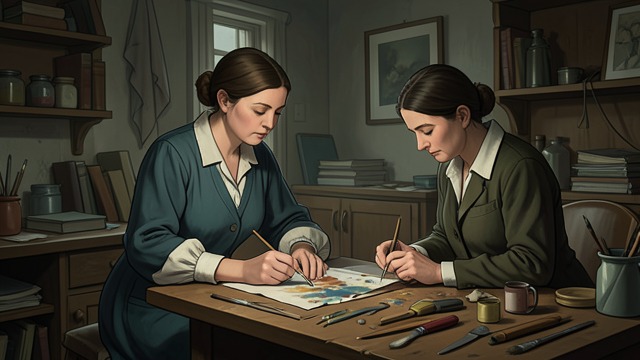
Blanche paints, carves illustrations, and shares the domestic work of Bethany with Christabel. Her ambitions are serious even though few people appear to buy or preserve her paintings.
A Fragile Independence
The household makes a life outside marriage imaginable, but the women’s finances remain insecure. Blanche’s art and companionship are vulnerable to pressures their ideal cannot remove.
The Prowler in the Diary
Jealousy and Fear
A Changing Retreat
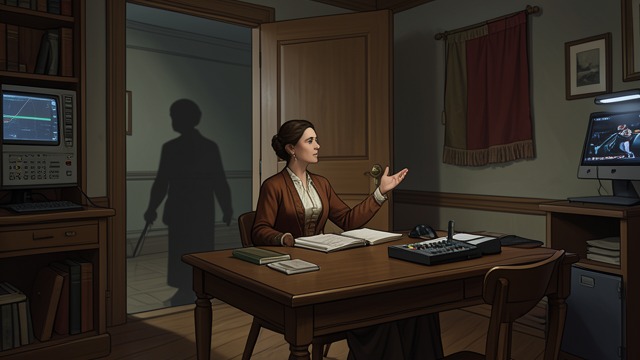
Blanche writes of a prowler and fears that an unseen presence is testing the doors of their home. Her language suggests suspicion about Christabel’s new letters but never identifies the correspondent with certainty.
A Record Without a Name
The diary captures emotional truth without proving a literal intruder. Later scholars must resist turning metaphor into fact simply because it fits the emerging story.
The Visit to Ellen Ash
Evidence Carried to Another Household
Blanche’s Appeal
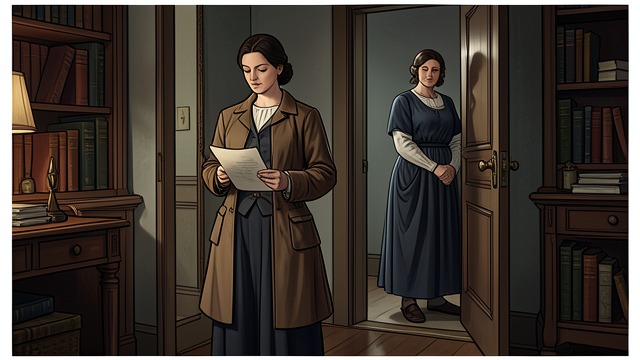
Blanche writes urgently to Ellen and visits her with information about Christabel. The surviving papers suggest that she hopes to force a response from people who know more than she does.
A Failed Resolution
Ellen sends her away, and no surviving record explains what Blanche expected afterward. The visit deepens the mystery while confirming that Blanche was not merely watching passively.
The Suicide Note
Reasons Set Down
Poverty and Pride
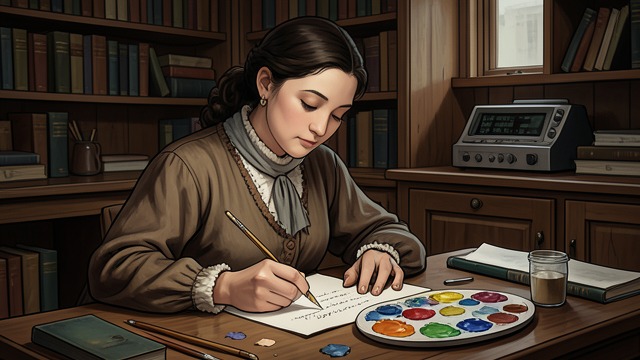
Blanche names poverty, refusal to return to governessing, and the failure of her ideal of independent women’s life. She also asks that her paintings be treated as meaningful work.
A Final Claim
Her note insists that she dies in sound mind and asks for her creations to be kept together. It is both a practical document and a protest against a society that has not valued her art.
A Death Reconsidered
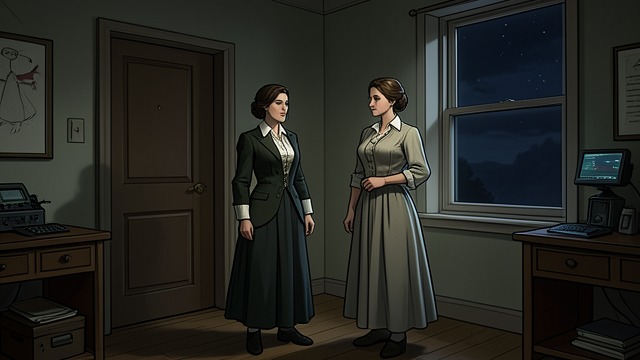
Competing Explanations
The Lost Year
Maud and Roland discover that Christabel’s absence and pregnancy may overlap with Blanche’s final months. This makes the earlier assumption of a simple quarrel inadequate.
No Final Diagnosis
The evidence suggests emotional injury but cannot establish every motive behind Blanche’s suicide. The novel preserves the dignity of her suffering by refusing to make it a solved puzzle alone.
During Blanche’s Richmond years
After Christabel’s correspondence begins
Before June 1860
June 26, 1860
During Maud’s later investigation
