
The Novel’s Debate About Endings
PossessionThe story repeatedly promises a final answer, then shows that closure in archives and relationships is provisional rather than complete.
increasing Bearing strength in each event
 decreasing
Bearing strength in each eventdecreasingThe Unfinished Letter
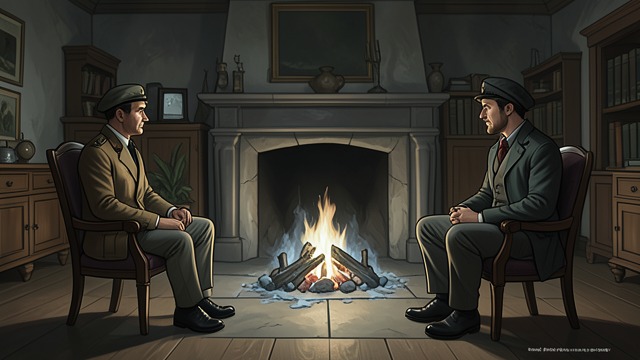
A Beginning Without an Ending
Two Drafts
Ash’s letters stop before their request is completed. Roland can identify urgency but not the relationship or outcome behind it.
Narrative Appetite
The drafts create a demand to know what happened next. Their incomplete form introduces the novel’s interest in how readers desire endings and how evidence may refuse them.
A Romance Interrupted
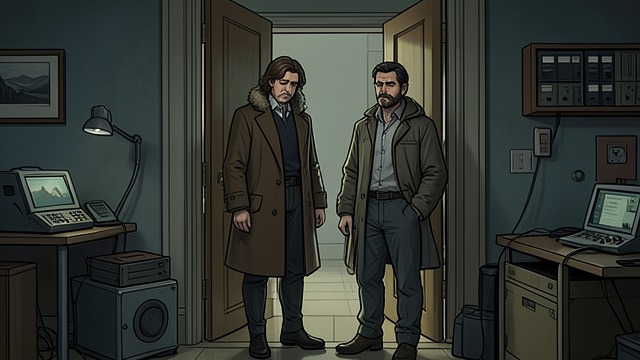
An Ending That Is Not Final
The Parting
Ash and LaMotte agree to end the affair, but the separation does not settle their feelings or the consequences of their time together. Pregnancy and silence continue beyond the apparent ending.
The Unseen Future
The readers initially mistake the break for a conclusion. The hidden child proves that important consequences can remain outside the available story.
A Journal Stops
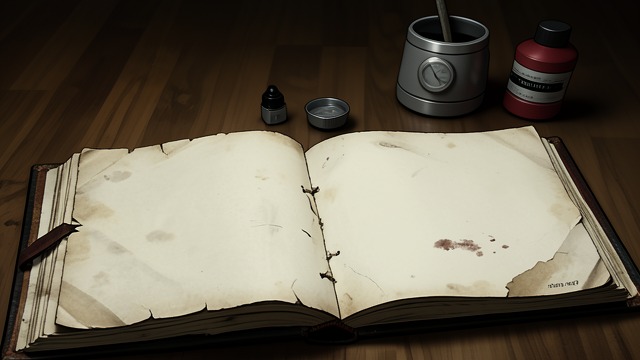
A Record Breaks Off
Missing Pages
Sabine’s journal becomes fragmentary and then ends without explaining the child’s fate or Christabel’s later movements. Its silence denies readers the complete narrative they want.
Meaning of the Gap
Ariane Le Minier can report further facts about Sabine but cannot fill every absence. The notebook’s stopping point becomes a limit on historical knowledge, not an invitation to invent freely.
The Grave Box’s Answer
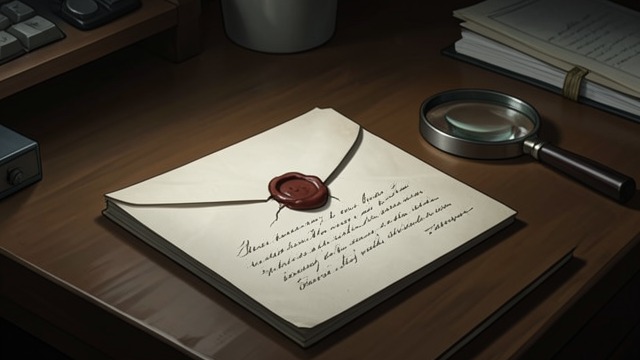
The Main Mystery Solved
LaMotte’s Letter
The letter identifies Maia and explains why LaMotte concealed her from Ash. The central question that has driven the investigation receives a direct answer.
A New Set of Questions
The revelation cannot restore Ash’s lost chance to know his daughter or settle how the documents should be owned. Closure produces obligations rather than a perfect ending.
A Relationship Still in Motion
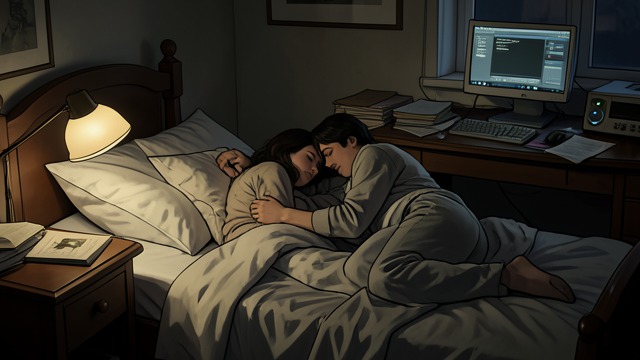
Romance Without Guarantee
Mutual Choice
Roland and Maud admit their love and share a bed, but their work, location, and practical futures remain unsettled. They do not receive a conventional promise of permanent ease.
An Open Ending
The novel closes on new intimacy and a future requiring negotiation. Its ending offers movement and possibility rather than a sealed conclusion.
At the discovery in the London Library
During Ash and LaMotte’s separation
At the end of Sabine’s surviving notebook
At the storm-bound inn
At dawn after Roland and Maud’s first night together
