
The Choice to Preserve or Destroy
PossessionCharacters repeatedly decide whether to burn, bury, hide, publish, or protect documents, making preservation itself a central moral action.
increasing Bearing strength in each event
 decreasing
Bearing strength in each eventdecreasingAsh’s Request to Burn
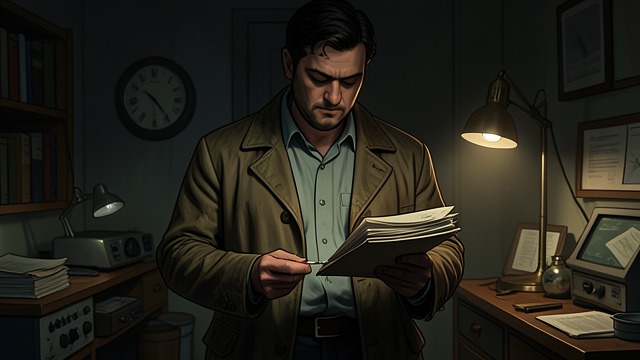
A Poet’s Privacy
The Instruction
Ash asks Ellen to burn what others should not see. He fears that biographers will turn private suffering into idle curiosities.
A Difficult Standard
His request cannot tell Ellen exactly which papers matter or to whom. The burden of interpretation falls on the person who survives him.
Ellen Selects What Survives
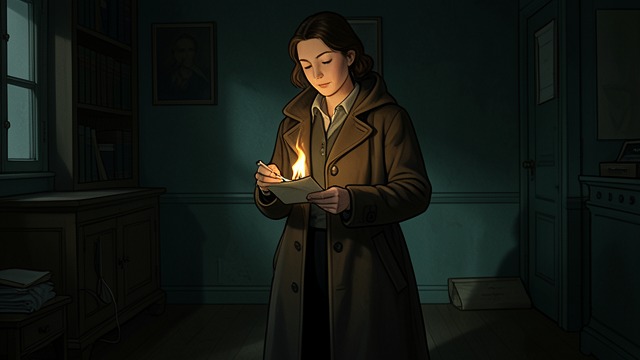
Fire and Burial
Two Choices
Ellen burns some papers but keeps letters and a sealed message that she cannot destroy. She places them in a specimen box and chooses burial as a form of preservation.
A Complicated Loyalty
The choice protects the papers from immediate readers while withholding their contents from Ash. Preservation becomes an act that is simultaneously loving and obstructive.
Maud Considers the Archive
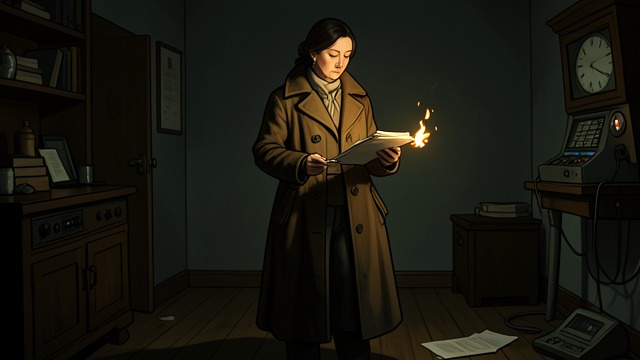
Preservation and Ownership
A Family Claim
Maud may have legal rights to LaMotte’s papers, but she must consider the future of the underfunded women’s archive and the need for broader scholarly access.
A Choice Not Yet Made
She resists turning ownership into a simple victory. The letters belong to a history larger than her career, but she is one of the people responsible for deciding how that history is kept.
Cropper Breaks the Seal
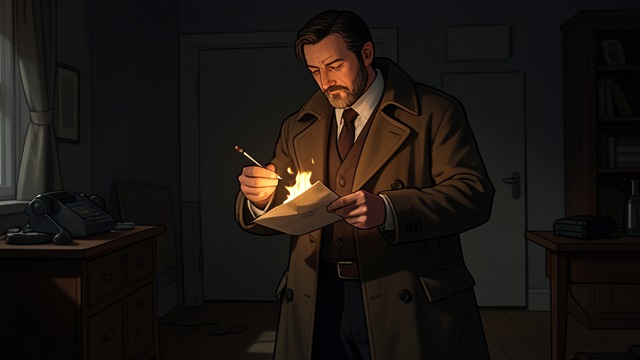
The Right to Open
Immediate Action
Cropper opens LaMotte’s sealed letter before the group can reach agreement. His hunger for the story overrides the privacy represented by the envelope.
Knowledge and Violation
The act produces crucial knowledge, but it also repeats the pattern of taking documents without permission. The novel does not let the truth’s value erase the violence of its acquisition.
A Future Custody Debate
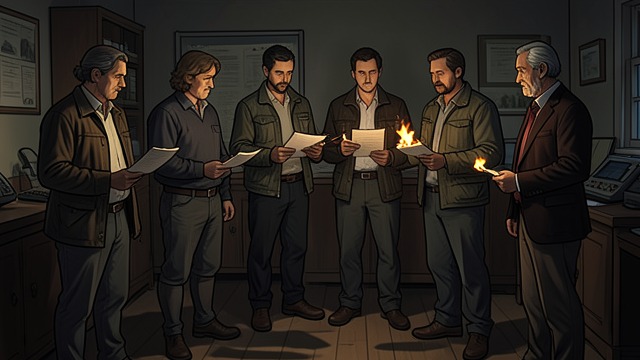
Preservation Without Closure
Institutional Options
The characters consider the British Library, the Women’s Studies Resource Centre, and family control. Each arrangement offers different resources and risks.
Shared Responsibility
The documents must be preserved and made available without pretending that the dead consented to public reading. The novel leaves the decision open because preservation is an ongoing ethical practice.
During his final illness
The night before the funeral
After Euan discovers the will
At the storm-bound inn
After the group has read the letter
