
Blanche Glover’s Displacement
PossessionBlanche’s hope for an independent artistic household becomes jealousy and isolation as Christabel’s new correspondence and hidden relationship alter their shared life.
increasing Bearing strength in each event
 decreasing
Bearing strength in each eventdecreasingThe Richmond Household
A Shared Experiment
Bethany
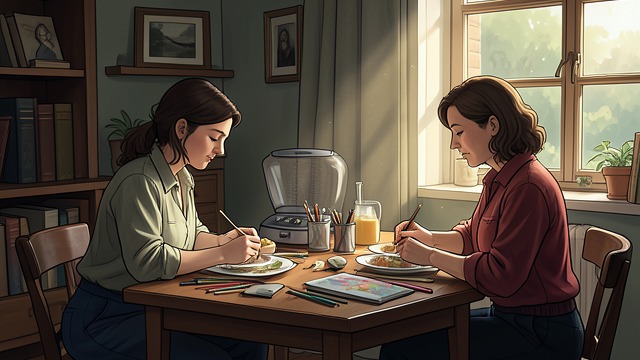
Blanche Glover and Christabel LaMotte set up a home in Richmond, hoping to combine domestic work, artistic practice, and female independence. Their routines give Blanche a sense of safety and creative possibility.
Unequal Expectations
Blanche’s diary reveals how deeply she depends on their shared life. The household is not merely a residence; it is the practical foundation of their idea that women might live and work without male authority.
The Literary Correspondence
A Change in the House
New Letters
Blanche notices that Christabel receives and reads letters she does not share. She suspects that the correspondence is important and feels excluded from a relationship that once seemed central to their life together.
Prowler Images
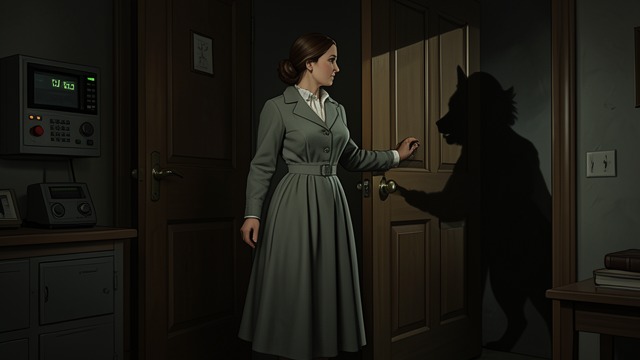
Her diary describes a prowler, a wolf at the door, and a loss of frankness. The language registers real anxiety without naming the person or fully distinguishing jealousy from danger.
An Attempted Warning
The Visit to Ellen
Evidence Offered
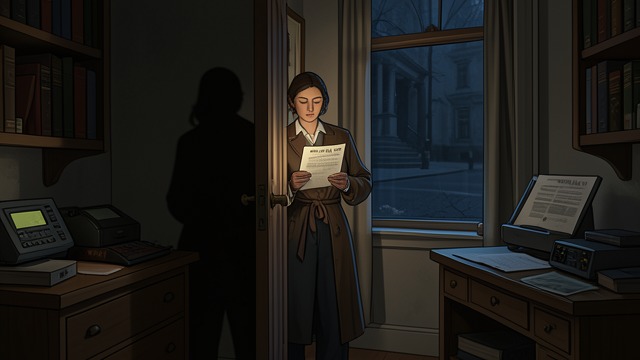
Blanche visits Ellen Ash and presents evidence of Christabel’s relationship with Randolph. Ellen’s journal records the visit and the returned manuscript, though not every detail of what Blanche conveyed.
A Failed Intervention
Blanche appears to believe that revealing the truth may protect Christabel or restore their shared life. Instead, her warning intensifies the secrecy surrounding the affair and leaves her without a secure place in either household.
The Failed Household Ideal
Poverty and Despair
Blanche’s Reasons
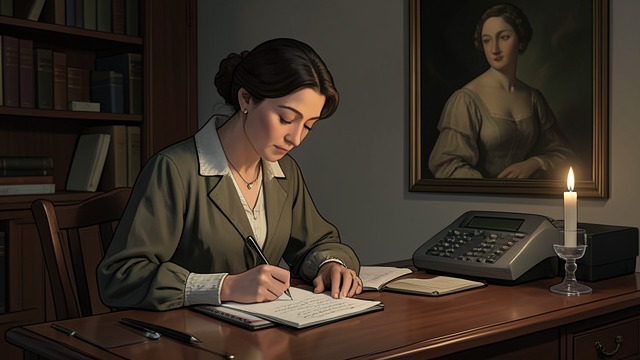
Blanche’s suicide note cites poverty, refusal to return to governessing, and the failure of the independent life she and Christabel hoped to establish. She wants her paintings to be understood by a future audience.
Unanswered Questions
The note says little about Christabel’s absence or the emotional rupture between them. Blanche’s death becomes both a personal tragedy and evidence of the social limits placed on women’s independent work.
The Letters Found Again
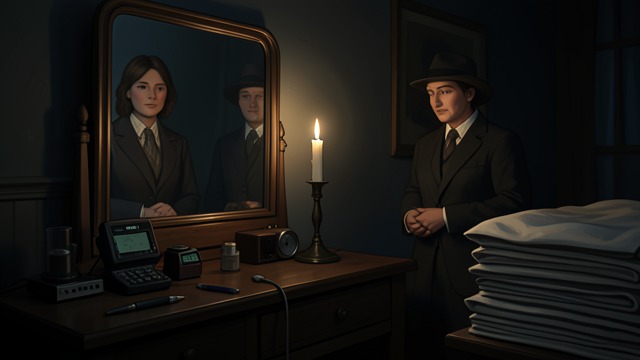
A Different Reading of Blanche
Documentary Trace
Maud finds Blanche’s letters to Ellen among Beatrice’s papers. They show an urgent attempt to communicate but do not provide a complete explanation of the relationship’s final months.
Historical Reassessment
Blanche is no longer only a jealous companion or a feminist symbol. Her practical vulnerability, creative ambition, and failed appeal emerge together, while the gaps remain ethically and emotionally significant.
1858, when Blanche and Christabel establish their home
After Christabel meets Ash
Before Blanche’s death
June 1860
During Maud’s later archival research
