
The Meaning of Martyrdom
Quo VadisThis thread follows the changing meaning of Christian death, from a terrifying prospect to a public witness that challenges Rome.
increasing Bearing strength in each event
 decreasing
Bearing strength in each eventdecreasingFear of the Arena
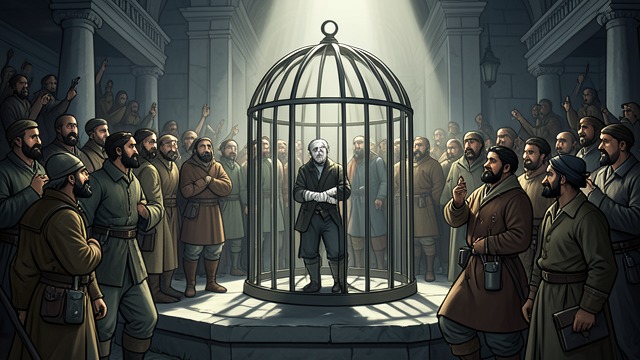
Fear of the Arena
Death as Roman punishment
The amphitheatre turns execution into civic entertainment, and even Vinicius fears the violence awaiting Lygia.
A different expectation
Christians imagine death not as erasure but as entry into a life beyond Rome’s power.
Peter Prepares the Flock
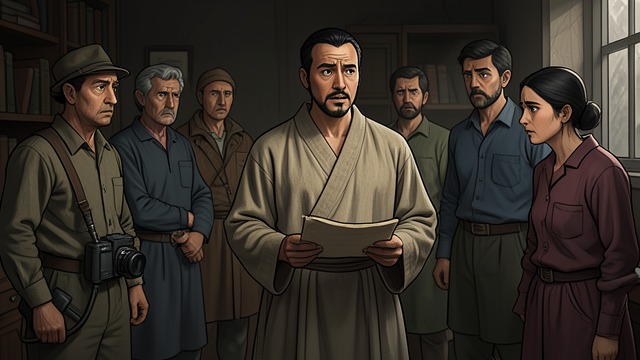
Peter Prepares the Flock
Suffering interpreted
Peter reminds believers that Christ also suffered and that their present pain does not end their existence.
Courage restored
His teaching turns terror into readiness, without pretending that torture is painless or that the danger is unreal.
Witness in the Arena
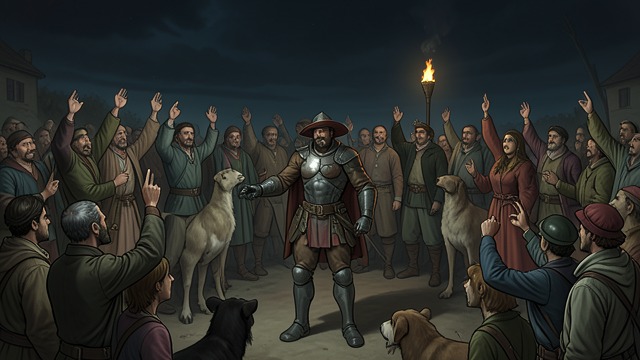
Witness in the Arena
A public confession
The condemned sing and proclaim their faith while facing dogs and lions. Their behavior contradicts the image of criminals seeking mercy.
Spectators reconsider
The arena’s intended message becomes ambiguous as observers witness patience and solidarity.
Chilo’s Last Testimony
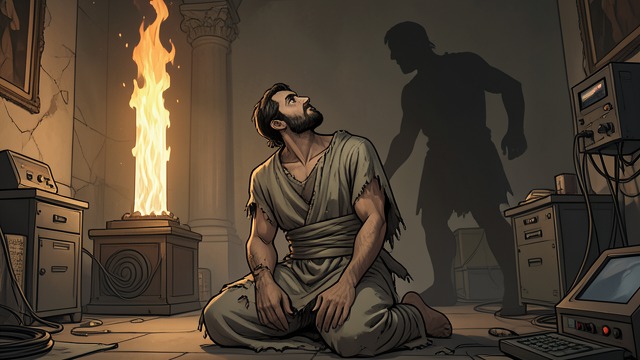
Chilo’s Last Testimony
Repentance becomes visible
Chilo sees Glaucus on the burning pillar and confesses that the Christians are innocent, naming Nero as responsible.
Death as truthful witness
Although tortured and executed, he refuses to withdraw his words and dies having embraced the faith he betrayed.
Beyond the Emperor’s Reach
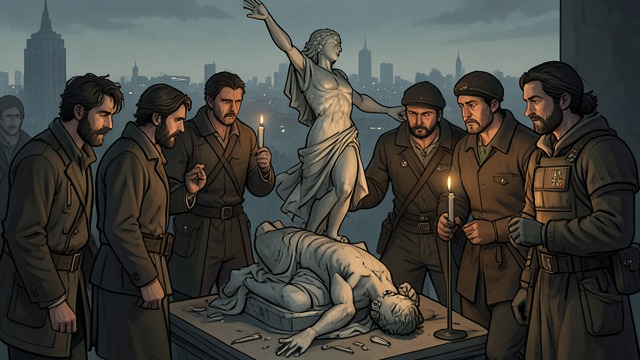
Beyond the Emperor’s Reach
Physical defeat, moral victory
Nero can kill bodies but cannot prevent the community from remembering, worshipping, and attracting new followers.
Martyrdom changes history
The narrative presents the martyrs’ deaths as seeds for a movement that outlasts imperial persecution.
Before the first executions
During the persecution’s spiritual crisis
During the first public martyrdoms
During the evening spectacle in Nero’s gardens
In the novel’s closing chapters
