
The Meaning of the Great Fire
Quo VadisThis thematic flow follows the fire as physical destruction, political accusation, and a revelation of Rome’s moral fragility.
increasing Bearing strength in each event
 decreasing
Bearing strength in each eventdecreasingA Built-In Disaster
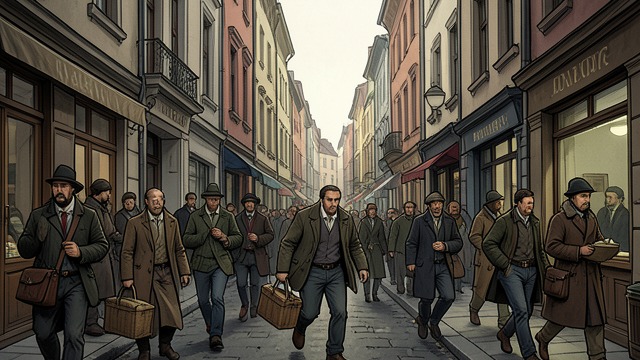
A Built-In Disaster
Urban vulnerability
Rome’s crowded tenements and narrow streets make large-scale fire a recurring danger rather than an unimaginable event.
Unequal exposure
The poor live amid combustible buildings, while the elite possess gardens and villas to which they can flee.
A Night of Conflagration
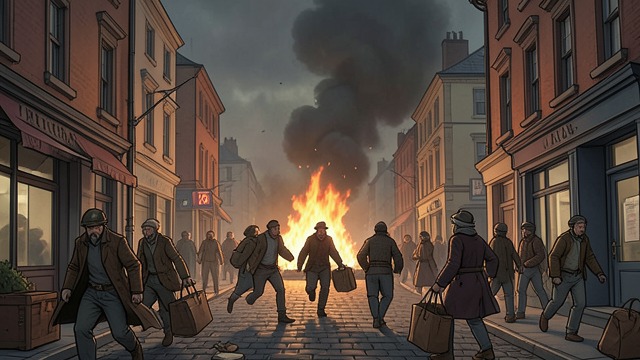
A Night of Conflagration
Destruction spreads
Flames move through the Circus district and nearby hills, consuming homes, shrines, shops, and treasured monuments.
Private fear becomes public crisis
Vinicius rides toward the city because he fears for Lygia, while countless others flee without knowing where safety lies.
Rumor of Deliberate Burning
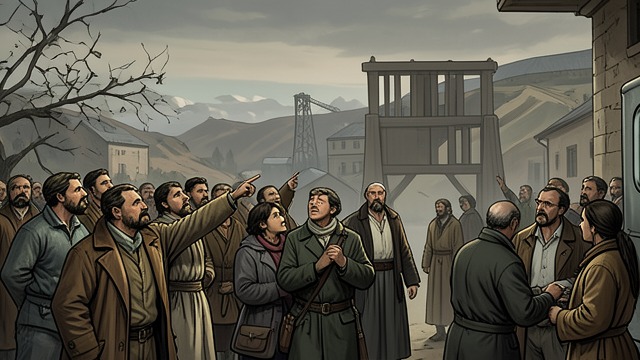
Rumor of Deliberate Burning
Suspicion of the court
Witnesses report torches thrown into buildings and people prevented from saving property. Nero’s artistic talk intensifies suspicion.
Public memory hardens
The possibility that the emperor desired a burning city turns catastrophe into a judgment on imperial power.
Fire as Political Opportunity
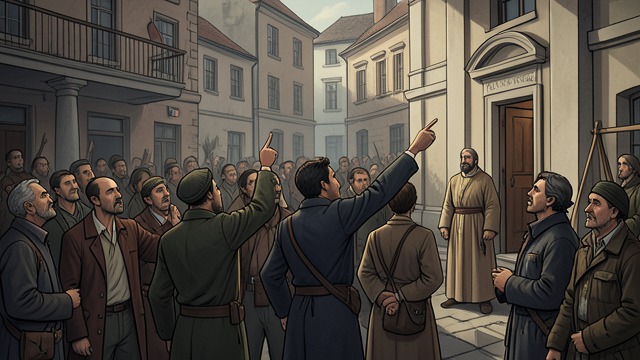
Fire as Political Opportunity
Scapegoating begins
Nero’s circle identifies Christians as the arsonists, shifting blame onto a vulnerable minority.
Reconstruction conceals exploitation
The rebuilding of Rome becomes a chance to reshape the city and increase imperial wealth while the displaced remain dependent.
The Ruins Outlast the Excuse
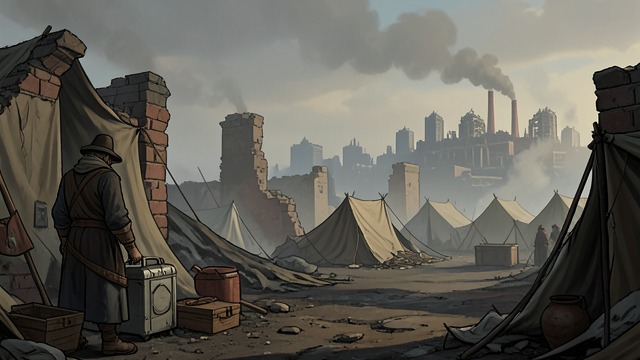
The Ruins Outlast the Excuse
A changed city
Most districts are destroyed, leaving ash fields and makeshift camps even after building resumes.
A lasting political wound
The fire remains a source of mistrust, helping reveal the gap between Nero’s public generosity and the violence of his rule.
Before the fire begins
The July night the fire begins
As the fire reaches central Rome
After Nero returns from Antium
After the Great Fire and its aftermath
