
The Augustians’ Complicity
Quo VadisThis subplot follows the courtiers who flatter Nero, participate in repression, and gradually recognize the instability of their own world.
increasing Bearing strength in each event
 decreasing
Bearing strength in each eventdecreasingFlattery as Survival

Flattery as Survival
Praise becomes compulsory
Augustians applaud Nero’s songs and opinions because dissent carries a risk of punishment.
Complicity is normalized
Their daily performance helps turn personal tyranny into an accepted court routine.
Rivalry for Access

Rivalry for Access
Competing methods
Petronius relies on taste and conversation; Tigellinus offers practical ruthlessness and obedience.
Courtiers change allegiance
Those seeking safety crowd around whoever seems closest to Nero’s favor.
Approval of Persecution

Approval of Persecution
Publicly useful cruelty
Courtiers endorse the accusation and the games, helping Nero present vengeance as civic justice.
Private doubts emerge
The martyrs’ behavior unsettles some spectators and courtiers, though few dare to oppose the emperor openly.
Fear of the Conspiracy
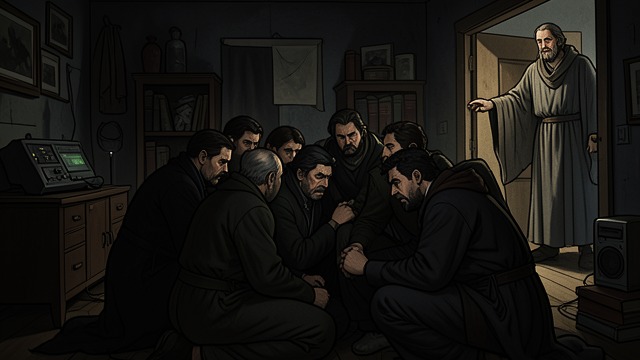
Fear of the Conspiracy
Political danger spreads
Rumors of dissatisfaction among senators, soldiers, and courtiers expose the weakness beneath Nero’s apparent control.
Self-protection dominates
People weigh loyalty against survival, and many attempt to detach themselves from earlier crimes.
A Court Without a Future
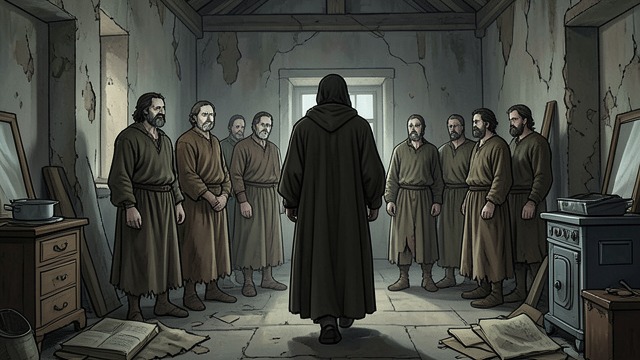
A Court Without a Future
The imperial circle disintegrates
Rebellion and suspicion destroy the security of the Augustians, who once believed proximity to Nero would protect them.
A world exposed
Their fear confirms that the court’s glitter depended on a ruler whose favor could not provide lasting safety.
At Nero’s early feasts
As Tigellinus rises over Petronius
After Nero blames Christians for the fire
As the Pisonian conspiracy forms
After Nero’s rule begins to collapse
