
Rome’s Social Order Under Strain
Quo VadisThis thematic flow traces how Christianity challenges Roman divisions of class, ethnicity, citizenship, and ownership.
increasing Bearing strength in each event
 decreasing
Bearing strength in each eventdecreasingA Multinational Capital
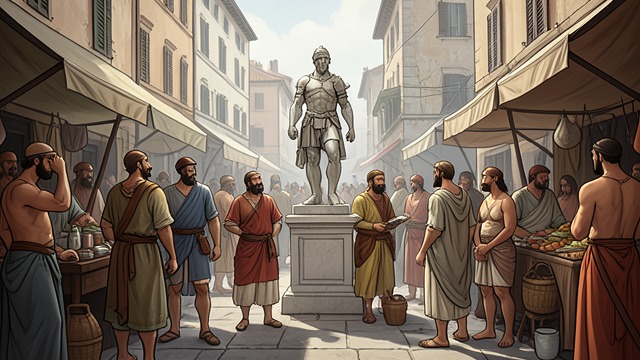
A Multinational Capital
Peoples gathered under Rome
The city contains migrants, merchants, slaves, freed people, and citizens from across the empire.
Unity through domination
Rome’s diversity is held together less by mutual affection than by military power, patronage, and distributions.
A Christian Brotherhood
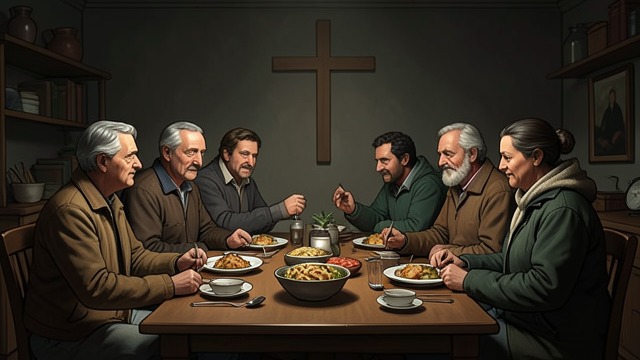
A Christian Brotherhood
Believers cross status lines
Slaves, women, foreigners, and citizens worship together and share aid as members of one community.
A social contradiction
This fellowship questions a system that assigns human value according to rank and ownership.
Vinicius Sees His Slaves
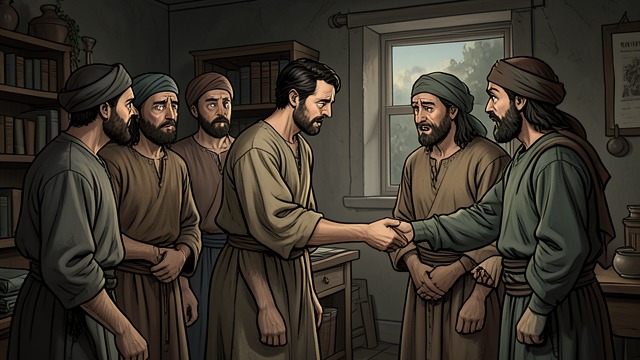
Vinicius Sees His Slaves
Recognition begins
Vinicius feels shame at his former cruelty and forgives household servants instead of punishing them.
Affection proves effective
Their gratitude shows him that loyalty may arise through kindness more securely than through fear.
Equality in the Arena
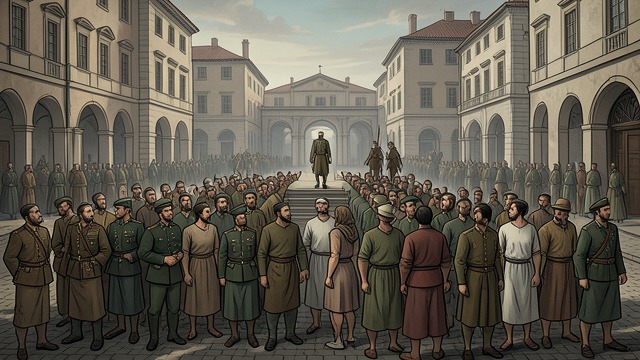
Equality in the Arena
A common fate
People of many origins and statuses die together as Christians, disregarding the distinctions Rome treats as permanent.
A shared witness
Their unity offers the audience a vision of fellowship that imperial spectacle cannot provide.
An Alternative Household
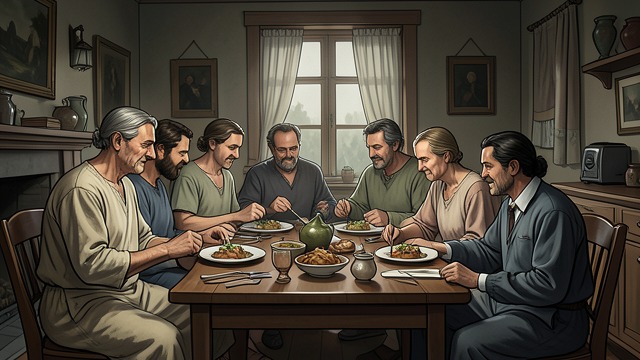
An Alternative Household
Daily life remade
Vinicius describes a home where servants and masters live as believers and share work and care.
A small social transformation
The household suggests that Christian equality can be practiced in ordinary life, not only proclaimed under persecution.
During Vinicius’s passage through the Roman Forum
At Christian meetings before the persecution
After his return from the Christians’ house
During the Christian executions
In the closing letter from Sicily
