
Rome’s Descent into Tyranny
Quo VadisThis thread follows Nero’s increasingly theatrical rule as political fear, urban catastrophe, and public discontent converge.
increasing Bearing strength in each event
 decreasing
Bearing strength in each eventdecreasingCourtly Performance
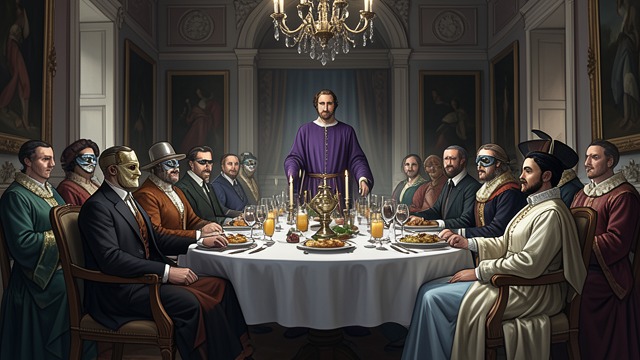
Courtly Performance
Power as entertainment
Nero surrounds himself with flatterers, performers, and extravagance. Court life rewards spectacle more than competent government.
Fear beneath luxury
Senators and courtiers understand that favor can turn abruptly into punishment or death.
The Floating Feast
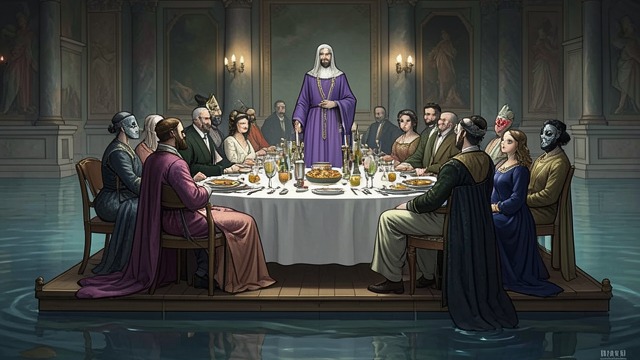
The Floating Feast
Excess on display
Tigellinus stages a lavish banquet on Pond of Agrippa, turning public power into an extravagant performance.
A private turning point
Vinicius recognizes that the court’s pleasures have become repellent to him, sharpening his separation from Nero’s world.
The Great Fire
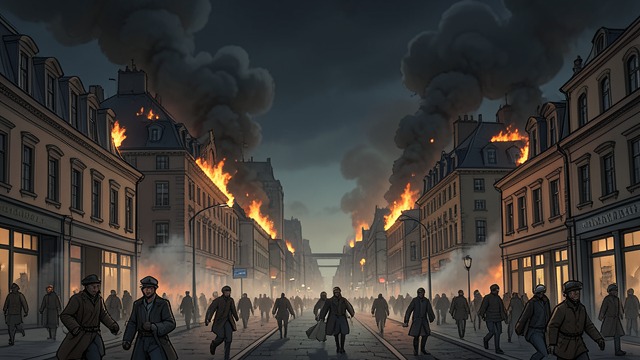
The Great Fire
A city in flames
The fire consumes central districts, displaces multitudes, and exposes Rome’s fragile housing and civic order.
Rumor and suspicion
Reports of deliberate burning attach the disaster to Nero, whose earlier talk of a burning city makes the accusations credible.
The Scapegoat Policy
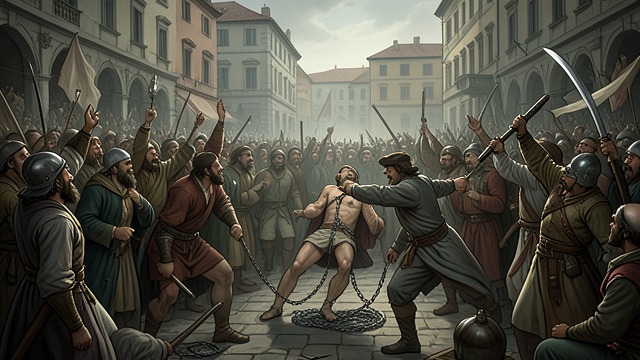
The Scapegoat Policy
Blame redirected
To distract the public from suspicion of imperial responsibility, Nero’s court accuses Christians of arson and crimes against society.
Coercion made spectacle
The government turns arrests and executions into entertainment, seeking to replace political distrust with bloodlust.
The Regime’s End
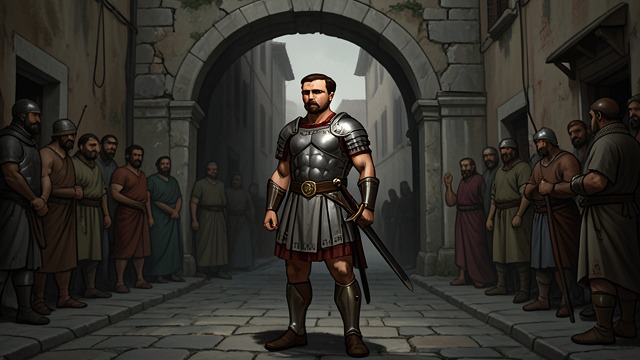
The Regime’s End
Revolt reaches Rome
Military rebellion undermines the authority Nero had treated as permanent. His court abandons him as the political crisis intensifies.
The comedian dies
Nero flees, loses hope of reclaiming power, and dies by suicide, ending the rule that had made Roman life a spectacle of fear.
Early in Nero’s reign as depicted in the novel
After Nero returns from his southern journey
July, after Nero’s return to Rome
In the days after the fire is contained
After Vindex and Galba challenge Nero
