
The Roman Senate’s Silence
Quo VadisThis subplot traces how the Senate’s submission enables Nero’s violence and exposes the collapse of republican civic responsibility.
increasing Bearing strength in each event
 decreasing
Bearing strength in each eventdecreasingA Senate Under Nero

A Senate Under Nero
Prestige without independence
Senators retain titles and ceremony but depend on Nero’s favor for safety and influence.
Public service becomes performance
Political speech increasingly serves the emperor’s vanity rather than the city’s needs.
No Defense for Lygia

No Defense for Lygia
Law bends to power
Lygia’s hostage status is used to justify her removal and later detention, while no senator intervenes effectively.
Silence protects careers
The Senate’s reluctance to challenge Nero leaves vulnerable people dependent on private favors.
No Defense for Christians
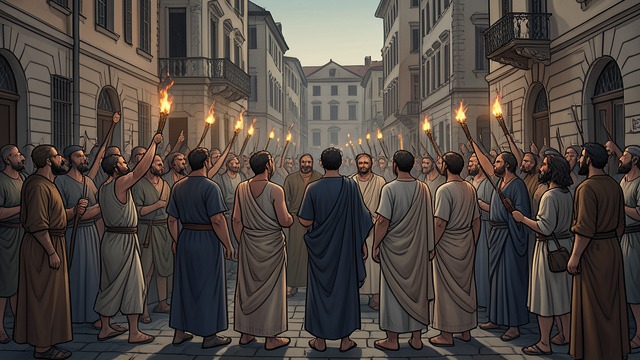
No Defense for Christians
Collective punishment accepted
The Senate supports sacrifices and public rituals but offers no meaningful defense against Nero’s accusation of Christians.
Civic courage disappears
The institution’s silence confirms that formal authority cannot protect justice when its members fear the ruler.
Conspiracy and Fear
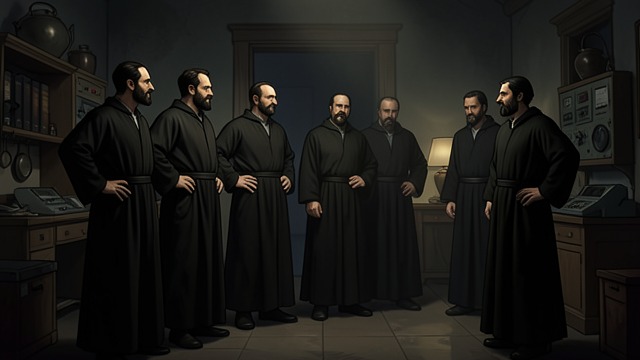
Conspiracy and Fear
Opposition grows underground
Senators and military figures consider replacing Nero, but their discontent develops through secrecy rather than public deliberation.
Risk overtakes reform
The conspiracy’s failure brings executions and deepens the Senate’s terror.
A Senate of Acclamation

A Senate of Acclamation
Ceremony masks collapse
Senators join the grand reception for Nero even as his political authority is weakening.
The institution survives morally diminished
The Senate’s participation in spectacle underscores how thoroughly civic responsibility has yielded to fear and flattery.
During the opening court scenes
During the debate over her imprisonment
After Nero’s accusation following the fire
As the Pisonian conspiracy takes shape
During Nero’s final public triumph
