
The Arena and the Body
Quo VadisThis thematic flow examines the body as an object of Roman spectacle and as a means of Christian witness and mutual rescue.
increasing Bearing strength in each event
 decreasing
Bearing strength in each eventdecreasingBodies for Pleasure
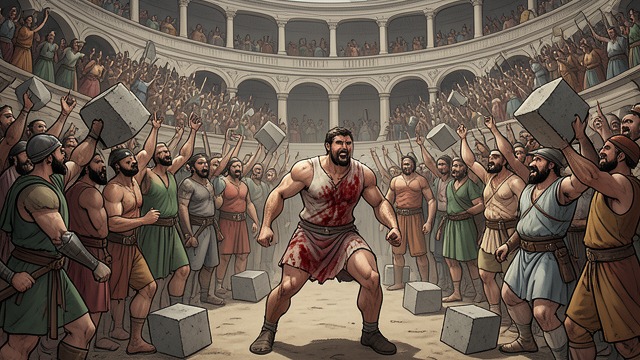
Bodies for Pleasure
The body displayed
The court and public games treat bodies as objects to admire, desire, punish, or consume.
A culture of spectatorship
Roman power encourages audiences to watch suffering without recognizing the victim’s interior life.
Lygia Resists Possession

Lygia Resists Possession
A boundary defended
Lygia resists Vinicius’s attempt to force intimacy, asserting a choice over her own body.
Desire is morally tested
Her refusal reveals that Roman privilege cannot turn another person into a willing partner.
Bodies as Public Punishment
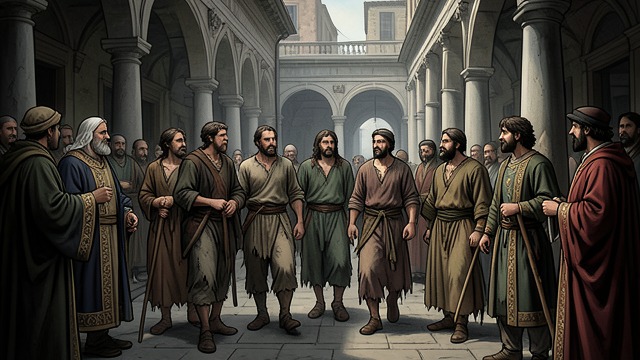
Bodies as Public Punishment
The state stages pain
Christians are exposed to animals, crucifixion, and fire before spectators, their suffering used to reinforce imperial authority.
The intended message fails
Their prayers and mutual care make the victims more than the criminals the spectacle claims to reveal.
Ursus Uses Strength to Save

Ursus Uses Strength to Save
The body as protection
Ursus uses his immense physical power to stop the aurochs and shield Lygia from death.
Strength gains a new meaning
His body becomes an instrument of service rather than domination or entertainment.
The Body as Witness
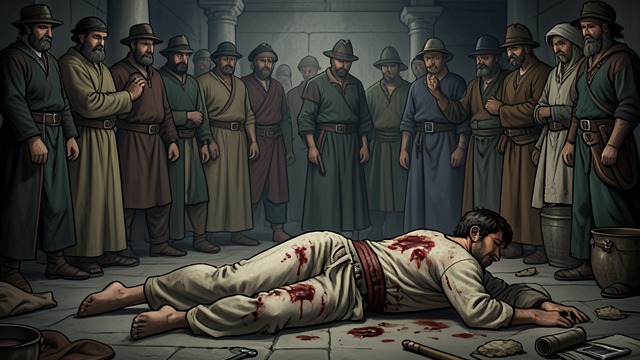
The Body as Witness
Suffering testifies
The martyrs’ bodies bear the cost of imperial violence while their words and actions remain faithful.
Mortality is reinterpreted
The narrative contrasts physical destruction with the believers’ conviction that their identity and love outlast death.
At Nero’s palace and arena spectacles
At Nero’s banquet
During Nero’s arena executions
When Lygia is carried into the arena
In the later Christian executions
