
The Social Power of Forgiveness
Quo VadisThis thematic flow tracks forgiveness as a force that transforms individuals, weakens fear, and creates a durable community.
increasing Bearing strength in each event
 decreasing
Bearing strength in each eventdecreasingForgiveness as Teaching

Forgiveness as Teaching
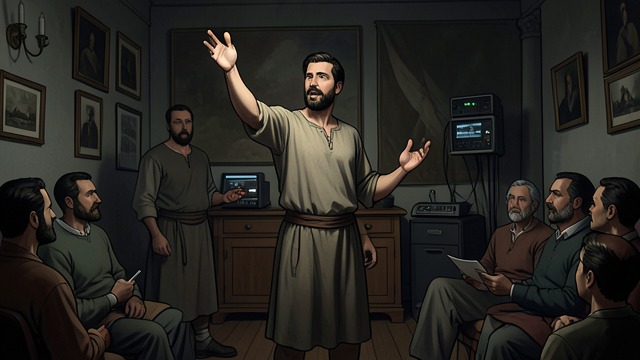
A radical command
Peter teaches that believers must forgive repeatedly and return good for evil, including toward persecutors.
A challenge to Roman justice
Vinicius hears an ethic that conflicts with the expectation that wrongs demand retaliation.
Forgiveness of Chilo
Forgiveness of Chilo
A betrayed man speaks
Glaucus identifies Chilo as the cause of his family’s ruin, while Ursus prepares to punish him.
Mercy interrupts revenge
Peter’s instruction leads Glaucus to forgive, leaving Chilo alive and morally exposed.
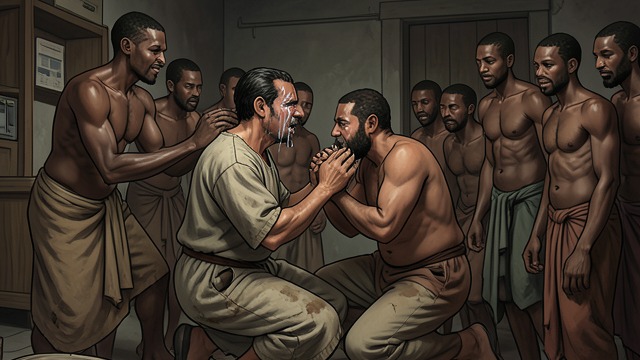
Vinicius Forgives His Slaves
Vinicius Forgives His Slaves
Authority used differently
Vinicius chooses forgiveness after discovering that his servants have misbehaved while he was away.
Fear gives way to gratitude
Their tearful response confirms that mercy can produce genuine service instead of mere obedience.
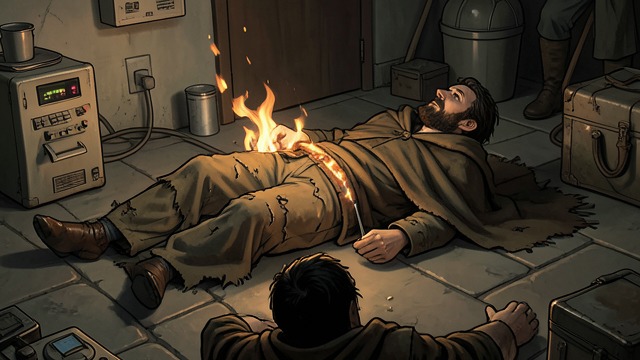
Glaucus Forgives at the Pillar
Glaucus Forgives at the Pillar
Forgiveness under torture
Glaucus recognizes Chilo below him and gives him forgiveness while being burned alive.
Repentance becomes possible
The victim’s words release Chilo from the logic of retaliation and call him to truth.
A Community Built by Mercy

A Community Built by Mercy
The injured remain connected
Believers care for one another after violence, and survivors continue to welcome newcomers.
A durable social force
Forgiveness helps create trust that neither imperial threat nor communal loss can easily destroy.
At Peter’s sermon in Ostrianum
When Glaucus recognizes Chilo
After he returns to his household
During the burning of Christians in Nero’s gardens
After the persecutions begin to subside
