
The Function of Rumor and False Testimony
Quo VadisThis subplot traces how rumor becomes a political weapon, while truthful witness becomes an act of moral resistance.
increasing Bearing strength in each event
 decreasing
Bearing strength in each eventdecreasingRumors About Christians
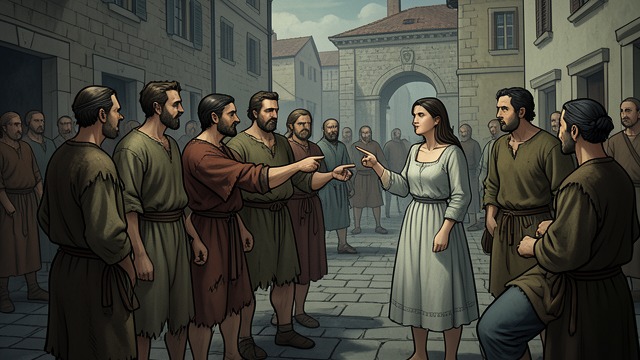
Rumors About Christians
Suspicion circulates
Romans repeat claims that Christians poison wells, harm children, and hate humanity, though few have examined their beliefs.
Prejudice prepares the ground
The rumors make a future accusation easier to accept.
Chilo’s Fabrications

Chilo’s Fabrications
A witness invents certainty
Chilo repeats false stories about Christian crimes, mixing personal revenge with a bid for wealth and protection.
Lies acquire state power
His claims become useful to rulers who need a scapegoat after the fire.
The Official Accusation
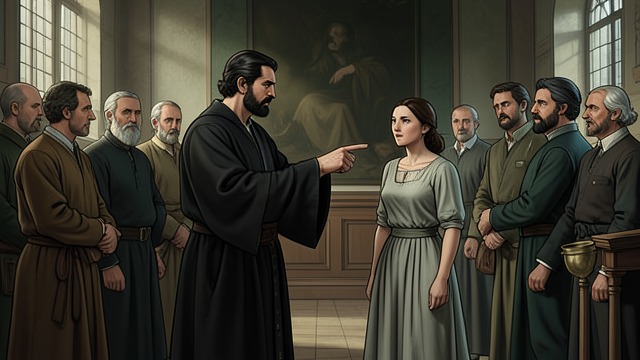
The Official Accusation
Rumor becomes policy
The court presents Christian belief as proof of guilt and begins a campaign of arrests and executions.
Justice is replaced by utility
The accusation serves political survival more than any search for evidence.
Chilo Names the Incendiary
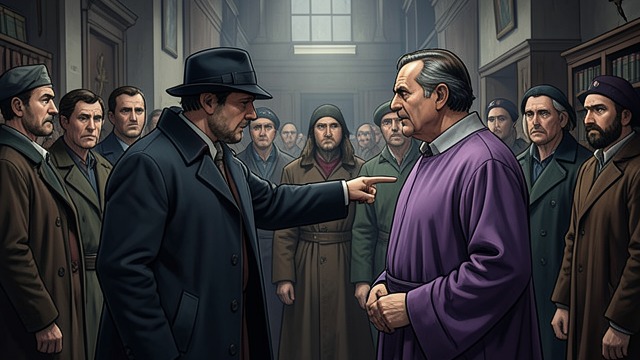
Chilo Names the Incendiary
Falsehood breaks down
After Glaucus forgives him, Chilo can no longer repeat the accusation he helped spread.
Truth is spoken at mortal risk
He points to Nero and declares that innocent people are dying, knowing the likely consequence.
Public Doubt Survives

Public Doubt Survives
The accusation loses force
The crowd hears Chilo’s testimony and increasingly questions whether Christians caused the fire.
Witness outlasts propaganda
The truth remains politically dangerous, but it alters how spectators understand the persecuted community.
Before the Great Fire
During his efforts to gain Nero’s favor
After Nero orders arrests for the fire
During the burning of Christians in Nero’s gardens
After Chilo’s denunciation
