
The Limits of Aesthetic Cynicism
Quo VadisThis character-focused thread follows Petronius as his cultivated cynicism encounters Christian action that his aesthetic categories cannot fully explain.
increasing Bearing strength in each event
 decreasing
Bearing strength in each eventdecreasingA Life of Taste

A Life of Taste
The world as an artwork
Petronius values beauty, style, witty conversation, and material refinement above moral systems.
Cynicism as a shield
He treats good and evil as less important than whether an act is elegant or ugly.
A Beautiful Household

A Beautiful Household
Unexpected order
Petronius finds no offense in the Plautius household’s restrained beauty and is struck by its quiet happiness.
Aesthetic categories fail
Pomponia’s dignity suggests a goodness that cannot be dismissed as mere taste.
Christian Conduct Observed
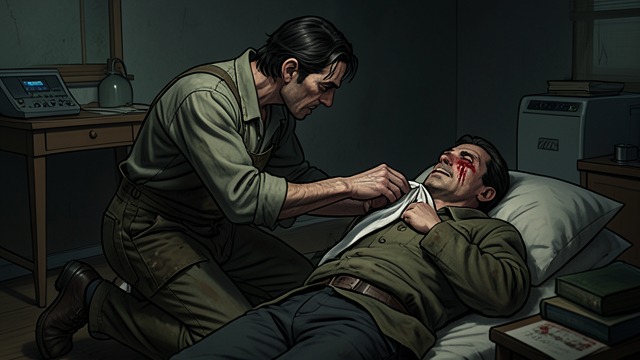
Christian Conduct Observed
Mercy becomes evidence
Petronius learns that Christians treat Vinicius kindly and forgive Chilo, despite injury and betrayal.
Cynicism is unsettled
He recognizes their behavior as more than a decorative philosophy, even while refusing to adopt it himself.
A Risk Taken for Others
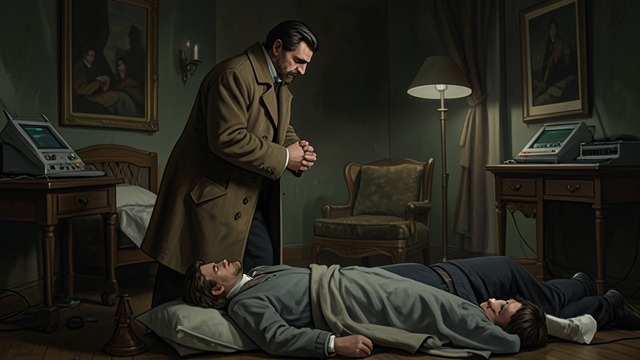
A Risk Taken for Others
Personal concern expands
Petronius works to save Lygia and supports Vinicius, increasingly treating others’ suffering as his own concern.
His old identity persists
He remains attached to comfort and beauty, revealing a partial rather than complete moral transformation.
Cynicism Meets Death

Cynicism Meets Death
A deliberate ending
Petronius chooses a composed death rather than face Nero’s sentence or accept a Christian future he does not believe in.
A limit acknowledged
His final act preserves autonomy but leaves Vinicius’s invitation unanswered.
At the beginning of the story
During Petronius’s visit to Aulus’s home
During Vinicius’s recovery among Christians
During the persecution and Lygia’s imprisonment
At the last banquet in Cumae
