
The Transition from the Old Gods to Christ
Quo VadisThis thematic flow traces how Roman religious habits lose authority as Christian belief offers a personal relationship, moral demand, and hope of resurrection.
increasing Bearing strength in each event
 decreasing
Bearing strength in each eventdecreasingRitual Without Intimacy
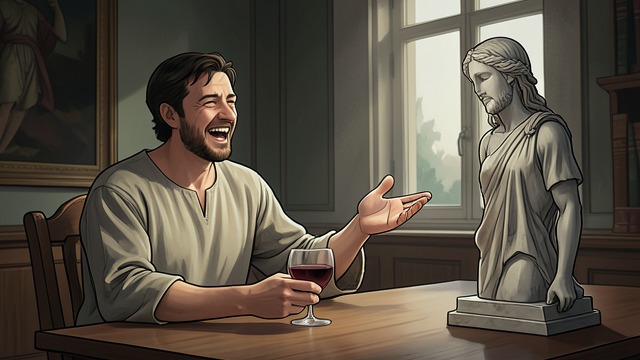
Ritual Without Intimacy
Conventional divine appeals
Petronius jokes about invoking Roman and foreign gods for health while doubting their power and parentage.
Religion as social habit
The old cults remain present, but many characters treat them as rhetoric, custom, or protection against bad luck.
One God and One Love
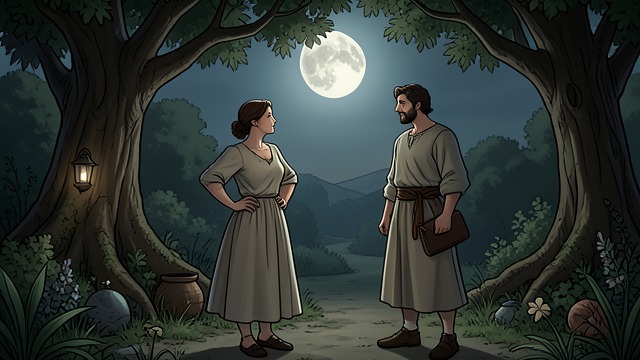
One God and One Love
A different confession
Pomponia says that one just and powerful God rules the world, not Nero.
Personal conviction
Her words express a faith that shapes how she lives, even when her family cannot yet share it.
The Resurrection Testimony
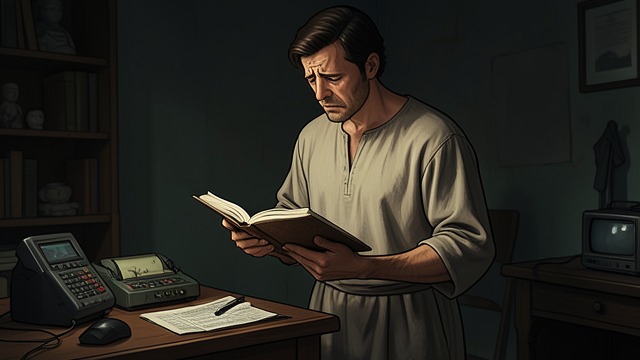
The Resurrection Testimony
Witness challenges scepticism
Peter describes seeing Christ after death, and his grief and conviction make his testimony compelling to Vinicius.
Death gains a new horizon
The claim of resurrection transforms the meaning of suffering and moral endurance.
Christians Refuse the Imperial Cult
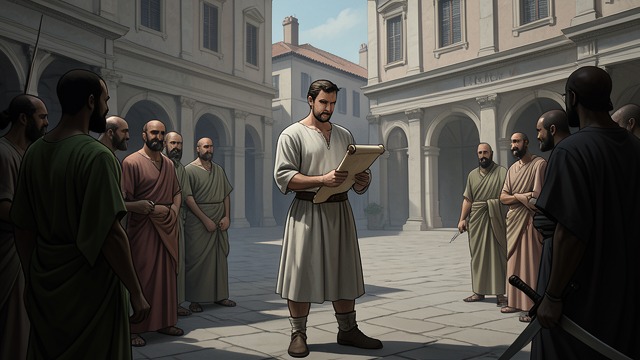
Christians Refuse the Imperial Cult
Loyalty has a limit
Christians refuse to worship Nero as a god or participate fully in civic rites that conflict with their faith.
Political conflict follows
The refusal is treated as disloyalty, though it arises from religious conviction rather than a plan of rebellion.
The Old Order Passes
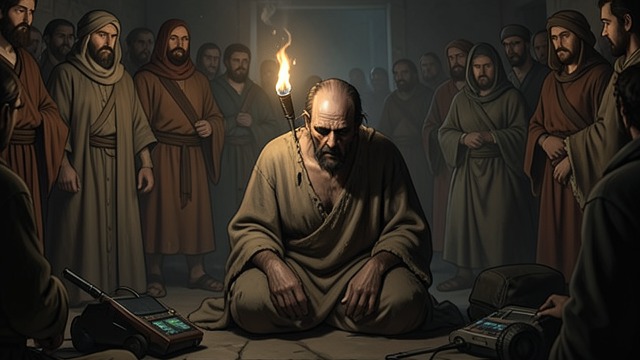
The Old Order Passes
Imperial divinity fails
Nero, who claimed divine status and demanded worship, dies frightened and abandoned.
A different faith remains
Christian communities survive the emperor, and the narrative presents Christ’s authority as continuing beyond Rome’s political cycle.
At Petronius’s opening bath and conversation
During Pomponia’s conversation with Petronius
At Peter’s sermon in Ostrianum
During the inquiry into the Christian accusations
In the epilogue after Nero’s suicide
