
The Historical Thread of Rome’s Rebuilding
Quo VadisThis subplot follows how the city’s reconstruction becomes both a practical response to disaster and an extension of Nero’s ambition.
increasing Bearing strength in each event
 decreasing
Bearing strength in each eventdecreasingClearing the Ruins
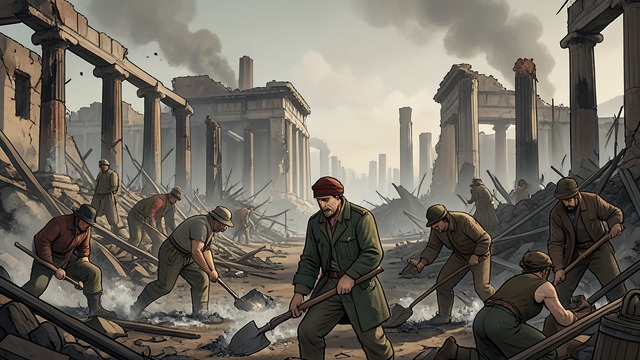
Clearing the Ruins
A vast damaged area
The fire leaves burned districts, broken buildings, and displaced residents across much of Rome.
Emergency work begins
Authorities demolish structures and clear spaces to prevent flames from advancing further.
Food and Shelter
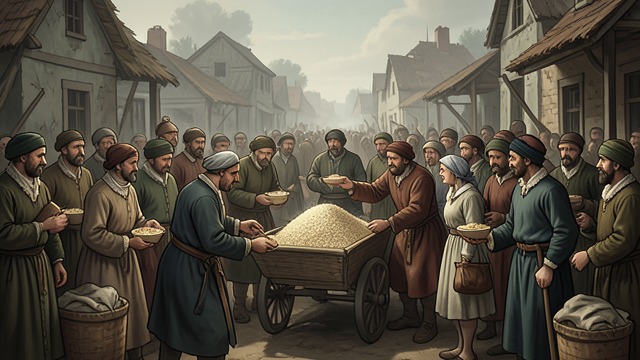
Food and Shelter
Relief reaches the population
Grain and other provisions arrive, while imperial gardens and open spaces provide refuge.
Order remains fragile
Aid reduces hunger but cannot immediately restore homes, law, or trust.
New Streets and Rules
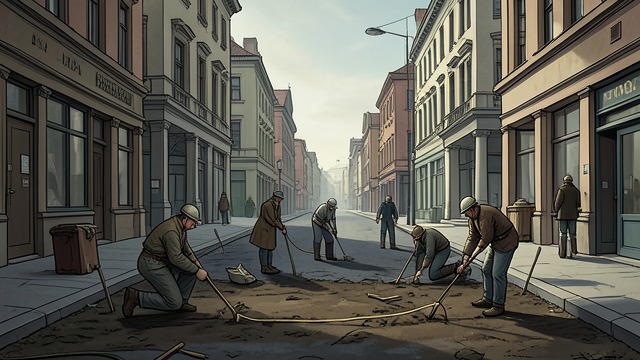
New Streets and Rules
A safer layout promised
New regulations address street widths and building materials to limit future fires.
Reform mixed with control
The policies respond to real hazards while also giving imperial authority greater influence over reconstruction.
The Golden House Project
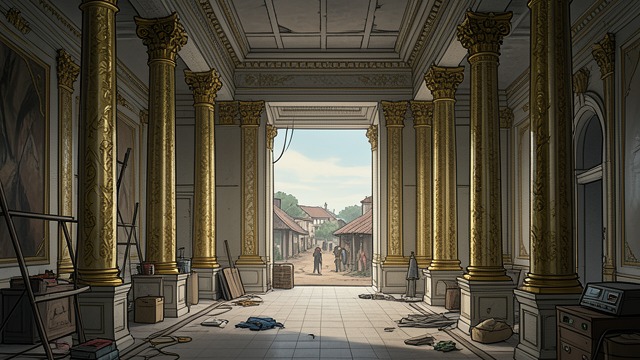
The Golden House Project
Personal ambition expands
Nero’s rebuilding ambitions include an immense residence that symbolizes his desire to reshape Rome around himself.
Public resentment deepens
The contrast between imperial luxury and the population’s losses makes reconstruction politically divisive.
A New City, an Old Wound

A New City, an Old Wound
Buildings replace only part of what was lost
The city becomes more ordered in places, but people continue to remember the fire and its victims.
Reconstruction cannot restore legitimacy
The rebuilt streets do not erase the suspicion that Nero exploited the disaster.
After the flames retreat from the Esquiline
During the first weeks after the fire
As rebuilding gets under way
During Nero’s later rule
By the end of Nero’s reign
